


Yemenis Recall Saleh Era Amid Rights Abuses and Militia Rule
|
18 hours ago
A-
A+
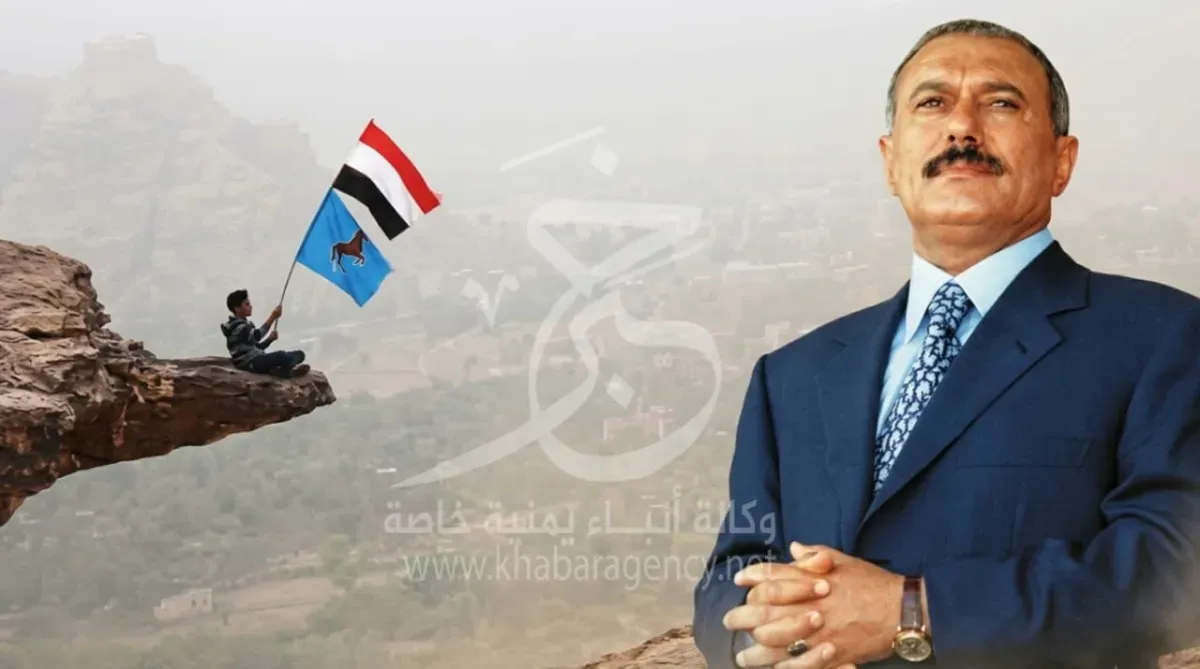
The issue of arbitrary arrests, enforced disappearances, and torture in Yemen has evolved into a deeply entrenched and complex problem, exacerbated by the fragmentation of state institutions and the rise of parallel armed groups wielding power outside legal frameworks. Many Yemenis, when comparing the current situation to past periods, often recall the era of the late President Ali Abdullah Saleh. They perceive that period as one where the state was more cohesive and capable of managing dissent through dialogue and political agreements, a stark contrast to the subsequent rise of militias and armed factions. This sentiment is not merely political nostalgia but reflects the profound transformations Yemen has undergone since 2011. The country shifted from a centralized state with identifiable institutions to a fractured landscape where multiple entities, each with its own security apparatus, detention facilities, and punitive systems operating beyond judicial oversight, vie for authority. In recent years, Houthi militias have faced escalating accusations of abductions, enforced disappearances, and torture targeting opponents, journalists, activists, and both local and international personnel. Human rights reports have also documented violations by other armed groups and local forces associated with various political factions, including formations linked to the Islah party. Amidst these comparisons, discussions have resurfaced regarding President Saleh's governance style, highlighting the difference between a traditional state apparatus and governance models dominated by armed groups or unchecked security influence. Saleh was known for his ability to manage complex political, tribal, and social balances, which helped maintain Yemeni unity despite numerous power centers and conflicts. He often favored political understandings and tribal/party agreements over open liquidation or widespread urban warfare. The shift from a state-centric system to one dominated by militias has led to the gradual disintegration of traditional state structures. Security and judicial institutions have become instruments of the controlling group, with parallel bodies managing security and intelligence operations outside any genuine legal oversight. International and local human rights reports indicate that Houthi militias have extensively employed secret prisons and unofficial detention centers, resorting to various forms of torture and extracting forced confessions. Furthermore, human rights organizations have documented the continued detention of hundreds of individuals for years without fair trials, and the refusal to implement judicial release orders. Rights activists emphasize that the most dangerous aspect of the current phase is the absence of the state itself, rendering it incapable of holding security agencies accountable or enforcing the law. This has resulted in detentions becoming subject to the whims of supervisors or security commanders rather than judicial decisions. The phenomenon of enforced disappearances has become a primary tool of intimidation employed by armed groups. Families have spent months or years unaware of their loved ones' fates, with some victims subjected to psychological and physical torture or transferred between prisons without family visits. In Houthi-controlled areas, these practices are often linked to political, media, or even humanitarian activities, with reports of abductions of international and local NGO staff, journalists, and activists on vague charges of espionage or foreign collaboration. While violations are not solely attributed to the Houthis, human rights reports indicate that local groups and forces associated with various political parties have also engaged in arbitrary arrests and abuses against their opponents. In southern governorates, reports have emerged of secret prisons and extrajudicial detentions carried out by security and military formations backed by influential political powers. Accusations have also been leveled against the Islah party and its affiliated armed groups for pursuing opponents and arresting activists in Marib and Taiz under security and political pretexts. The Yemeni war has fostered an environment ripe for abuses, where multiple factions possess arms, finances, and influence without a central state capable of imposing control or accountability. The proliferation of prisons and detention centers, coupled with overlapping authorities, has left Yemeni citizens vulnerable to arrest by various entities, reflecting the extent of the state's collapse since the war began. Political and media figures observe that the comparison between Saleh's era and the current militia-dominated reality reveals profound shifts in Yemen's power structure. Previously, power was anchored in known institutions, laws, and a unified administrative structure, with decisions emanating from traceable official bodies. Today, many Yemeni regions are subjected to overlapping authorities, where security supervisors or field commanders manage abductions and investigations without real oversight. The prevalence of unofficial prisons and the absence of legal transparency have created widespread fear, particularly among journalists, activists, and politicians. Yemeni journalism, once a vibrant space for political discourse, has seen a sharp decline in media freedoms. Arrests of journalists, closure of media outlets, and persecution of activists for their views have become common, especially in Houthi-controlled areas. Journalists report facing harassment and threats from other factions in different regions, prompting many to leave the country or cease their work. Amidst the chaos, division, proliferation of prisons, and widespread abuses, a significant portion of Yemenis have come to recall the pre-war state era as a period of greater stability and less disorder. This sentiment does not imply an absence of problems or mistakes during that time but underscores the magnitude of the current collapse compared to a past where state institutions were sufficiently functional. Yemenis now compare a state that could address disputes through politics and dialogue with a reality governed by armed force, supervisors, and secret prisons. Human rights organizations emphasize that addressing the issue of arrests and enforced disappearances in Yemen cannot be selective, as victims exist across all phases and violations have been committed by multiple parties. A genuine solution requires a state capable of enforcing the law and holding everyone accountable without exception. Future political settlements will lack stability unless they include a genuine resolution for detainees and the forcibly disappeared, disclosure of secret prisons, compensation for victims, and guarantees against the recurrence of violations. Activists stress the importance of restoring state institutions and ending the dominance of armed groups, as the absence of the state is the primary driver of escalating violations. As the war and division persist, Yemenis remain caught between the memory of a state managed through politics and balances, and a new reality dictated by armed groups and the logic of force. The issue of detainees and enforced disappearances remains one of the most painful legacies of modern Yemeni history. Calls for an end to abuses and the release of detainees continue, but the paramount question facing Yemenis is how to restore the state before the exception becomes the permanent rule, and fear replaces law, and prisons supplant politics. |