


WHO Warns of Recurrent Disease Outbreaks in Yemen Amid Fragile Health System
|
1 hour ago
A-
A+
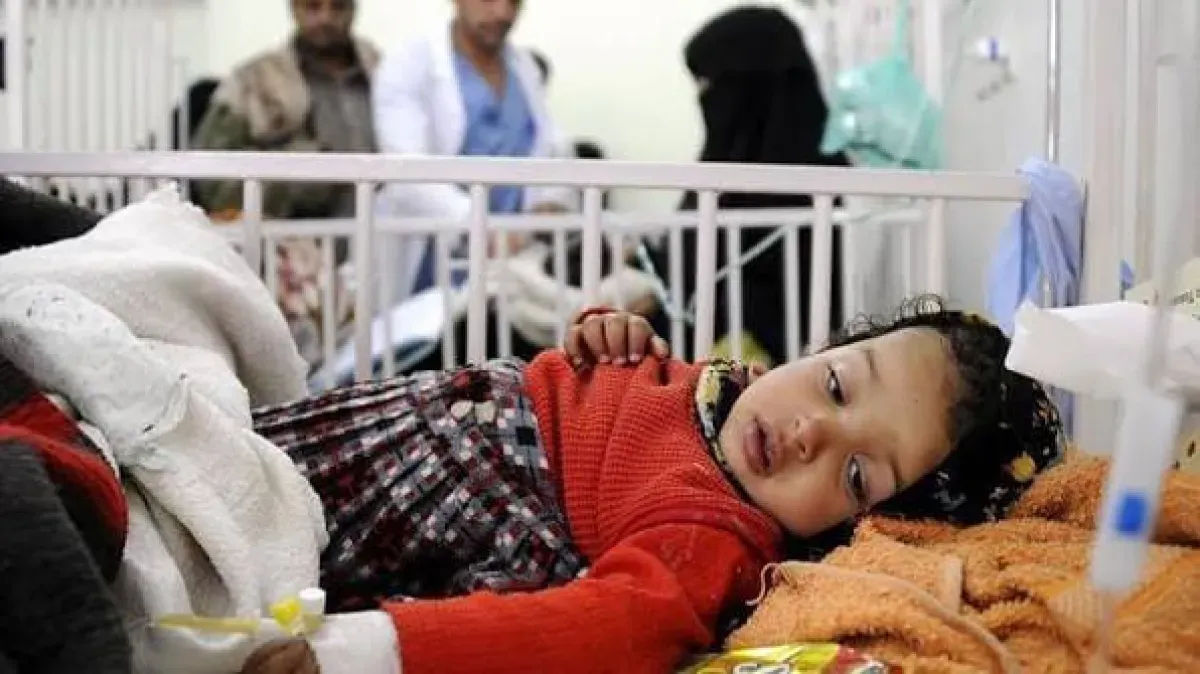
The World Health Organization (WHO) has issued a stark warning regarding Yemen's continued vulnerability to recurrent waves of cholera, measles, and other infectious diseases, exacerbated by a fragile health system and extensive humanitarian needs. The organization highlighted that support channeled through the Yemen Humanitarian Fund has significantly bolstered health response capabilities and curbed epidemic spread in several governorates. In a recent report, the WHO detailed its provision of essential medicines for infectious diseases, oral rehydration salts, intravenous fluids, and supplies for rapid response teams to four health facilities serving high-risk communities. This intervention has enhanced the readiness of these facilities to manage outbreak situations. The organization further supported the execution of 207 field missions by rapid response teams, surpassing the planned target of 166. These missions involved investigating suspected cases, strengthening epidemiological surveillance, contact tracing, and implementing rapid containment measures during cholera and measles outbreaks. The WHO emphasized that maternal and child health services remain among the most pressing health needs in Yemen. Support provided to Al-Thawra General Hospital in Al-Bayda Governorate and Al-Muzahim Rural Hospital in Al-Adin District, Ibb Governorate, included essential medicines, medical supplies, and operational support to ensure the continuity of services. According to the report, this assistance facilitated 14,316 consultations in gynecology and obstetrics, 4,652 antenatal care consultations, and 12,081 pediatric consultations. Additionally, 2,693 births, encompassing both natural and Cesarean deliveries, were supervised. Notably, no maternal deaths were recorded in the supported health facilities during the reporting period, indicating an improvement in access to healthcare for women and children and enhanced safety during pregnancy and childbirth. Regarding non-communicable diseases, the WHO cautioned that disruptions in treatment pose a significant risk to patients with diabetes, hypertension, cardiovascular diseases, and other chronic conditions. |