


Yemen Faces Silent Crisis: Critical Shortage of Child Vaccines Fuels Epidemic Fears
|
4 hours ago
A-
A+
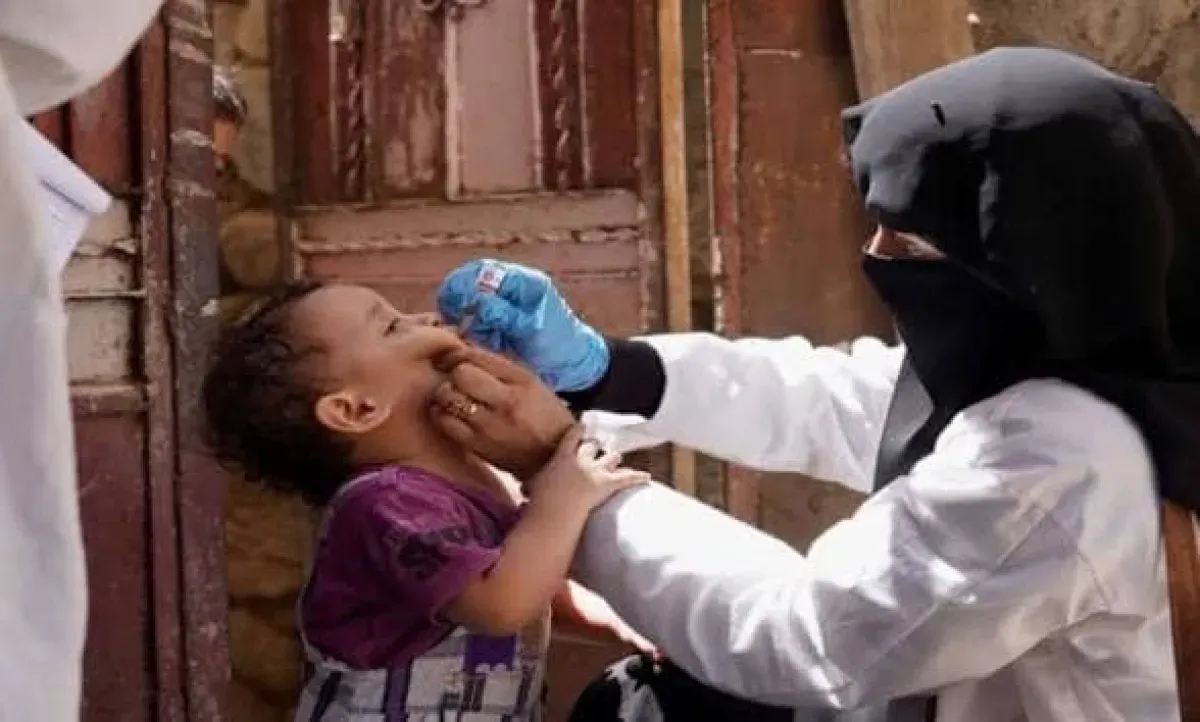
Yemen is confronting a deepening humanitarian and health crisis, exacerbated by a critical shortage of essential childhood vaccines across vast regions of the country. This alarming situation is raising significant concerns among medical professionals and families, as routine immunization programs falter, increasing the risk of resurgence for diseases that were once largely controlled through vaccination efforts. The gravity of this crisis extends beyond the immediate lack of vaccines, posing a threat to an entire generation of children who are now more vulnerable to preventable diseases. Experts in public health warn that the continued disruption of immunization programs could lead to a surge in the spread of diseases such as polio, measles, diphtheria, mumps, and whooping cough. These illnesses can result in severe complications, including permanent disabilities and fatalities, particularly among infants and children under the age of five. Health professionals and experts emphasize that declining vaccination coverage rates create a fertile ground for the re-emergence of epidemics, undermining years of national and international efforts to contain them. Consequently, any delay in vaccine provision poses a risk that transcends the individual, potentially endangering the entire community. Measles, often perceived as a common ailment, is a highly contagious disease for unvaccinated children, capable of causing severe pneumonia, encephalitis, malnutrition, and in some cases, death or lasting disabilities. Similarly, polio, a particularly dangerous disease, could resurge if vaccination rates continue to fall. It attacks the nervous system and can cause permanent paralysis within hours, with no cure available after infection, making vaccination the sole effective preventive measure. International health organizations, including the World Health Organization (WHO) and the United Nations Children's Fund (UNICEF), have repeatedly highlighted Yemen's ongoing challenges in immunization. These include the continued detection of vaccine-derived poliovirus cases and outbreaks of measles in several governorates, directly linked to reduced vaccination rates. Both organizations stress that ensuring universal access to vaccines is an urgent health and humanitarian priority, representing one of the most effective medical interventions for saving lives and curbing disease transmission. Amidst competing accusations regarding the causes of the vaccine shortage, children remain the primary victims. Thousands of parents find themselves unable to vaccinate their children, despite recognizing the associated health risks. Healthcare workers warn that the ongoing interruptions will lead to a growing backlog of unvaccinated children, significantly increasing the likelihood of widespread disease outbreaks in the coming months and years. Experts are calling for immediate action from health authorities, international organizations, and humanitarian partners to guarantee the consistent supply of vaccines to all governorates, free from political or administrative considerations. Specialists concur that the absence of childhood vaccines represents more than just a medication shortage; it is a direct threat to the future of a generation. Each day of delay in vaccine delivery increases the number of children susceptible to preventable diseases. Therefore, urgent action is a humanitarian and health imperative that cannot afford further postponement, transforming a potentially avoidable catastrophe into a stark reality. |