


Yemen Conflict Escalates: Houthi Attacks Trigger Decisive Coalition Response Amidst Diplomatic Maneuvers
|
1 day ago
A-
A+
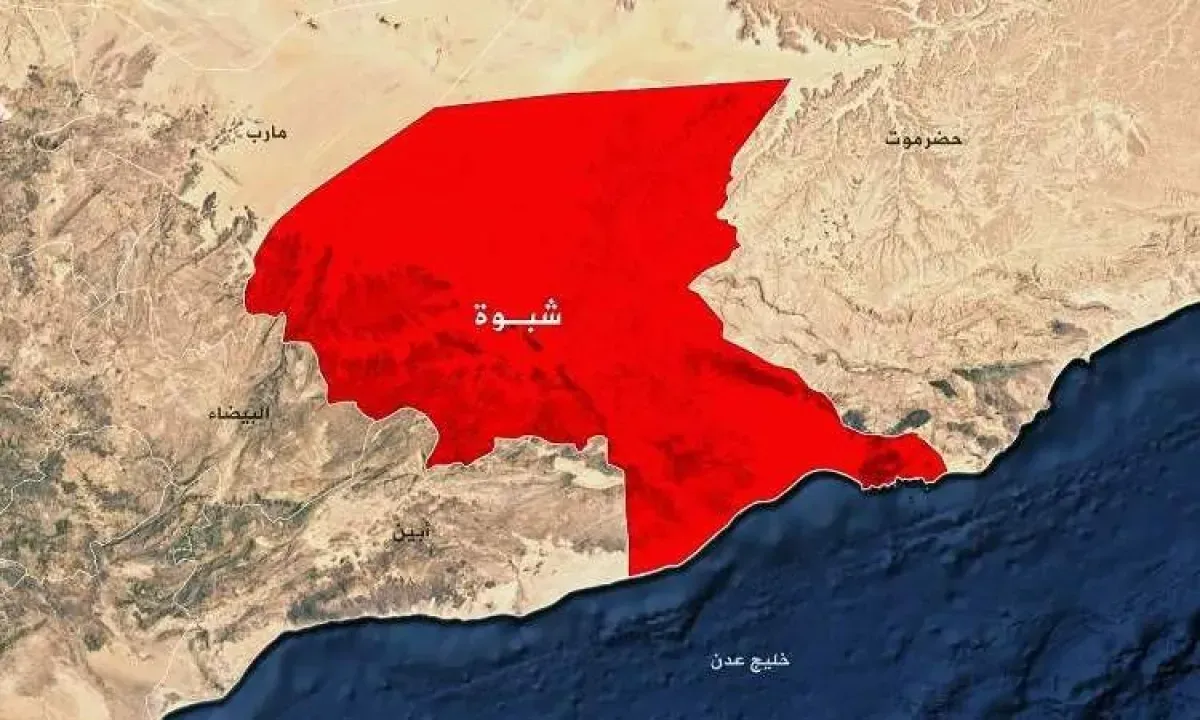
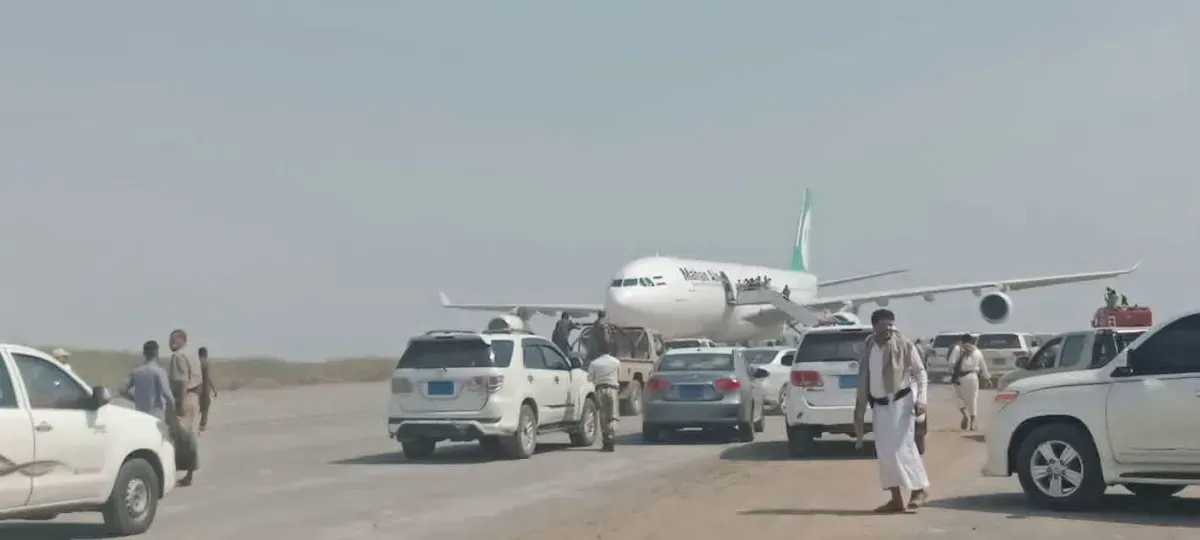
The Yemeni conflict has entered a critical phase with escalating military actions and political developments, placing regional and international peace efforts under significant strain. While Oman, the European Union, and the United Nations are pushing to revive a stalled roadmap, recent Houthi naval blockades and attacks on oil tankers have dramatically reshaped the landscape. In response to these provocations, the Saudi-led coalition announced decisive and proportionate military actions against Houthi targets in Hodeidah, Jawf, Taiz, and Dhale, raising a crucial question: Will the advance of the legitimate government and the coalition be halted by the Houthis' political maneuvering and Omani mediation, or has the dynamic of confrontation fundamentally changed? For years, the Yemeni arena has experienced a fragile détente based on unannounced understandings from a 2022 truce. However, this calm evaporated following the incident of an Iranian plane landing at Hodeidah airport without coordination with the internationally recognized government. The legitimate government viewed this as a blatant violation of its national sovereignty and responded by targeting the runway to prevent further landings. In retaliation, the Houthis issued threats to strike vital airports and facilities in Saudi Arabia. These threats rapidly escalated into the militia's declaration of a full naval blockade on tankers heading to Saudi ports, under the slogan of "an eye for an eye." This escalation was physically manifested when the Houthis attacked a Saudi oil tanker in the Red Sea, causing material damage. Military observers interpret these actions as an explicit Houthi declaration of their intent to discard previous political understandings and resort to evasive tactics to alleviate internal economic and popular pressures within their areas of control. In contrast to the Houthi's escalating messages, the coalition's response was swift and direct. Coalition warplanes conducted focused airstrikes on legitimate Houthi military sites in Hodeidah province and on Kamaran Island, targeting infrastructure crucial to maritime navigation safety. Additionally, Yemeni air force units carried out strikes on Houthi positions in Jawf, Taiz, and Dhale. Coalition spokesperson Major General Turki Al-Malki stated that the military response was precise and achieved its operational objectives in compliance with international humanitarian law. Al-Malki issued a stern message emphasizing that the joint forces command will not tolerate any compromise in protecting the Kingdom's interests, assets, and commercial vessels. He stressed that any future hostile act would be met with an unprecedented and decisive response, indicating that military deterrence has become the coalition's primary strategy, superseding prolonged restraint. This firm stance suggests a shift towards enforcing a new equation where actions on the ground are the ultimate measure, and the era of accepting political gambits to buy time has definitively ended. Concurrently, Oman has actively engaged in diplomatic efforts to de-escalate the military confrontation. The Omani Ministry of Foreign Affairs officially announced intensive and direct coordination with Riyadh, Yemeni parties, and the UN Special Envoy Hans Grundberg to resume the political process and the roadmap, thereby averting a potentially uncontrollable escalation. UN Envoy Grundberg continues his strenuous efforts between Muscat and Riyadh to achieve an immediate de-escalation. The United Nations has warned against sliding back into a comprehensive war, reiterating that a comprehensive, Yemeni-led political process is the only viable path forward. Despite these diplomatic endeavors, skepticism prevails among the Yemeni populace and many political leaders. They perceive the Houthis as habitually using Omani mediation and UN pressure as a shield and a temporary respite to regroup whenever military or economic pressure intensifies, only to later disavow any commitments. Current ground realities suggest that the Houthis' room for maneuver has significantly diminished. The legitimate government has declared a state of general mobilization and has begun activating its defensive and offensive capabilities with substantial coalition support, including revitalizing the government air force to assert air sovereignty. |