


Yemen's Presidential Council Faces Calls for Decisive Military Action
|
1 hour ago
A-
A+
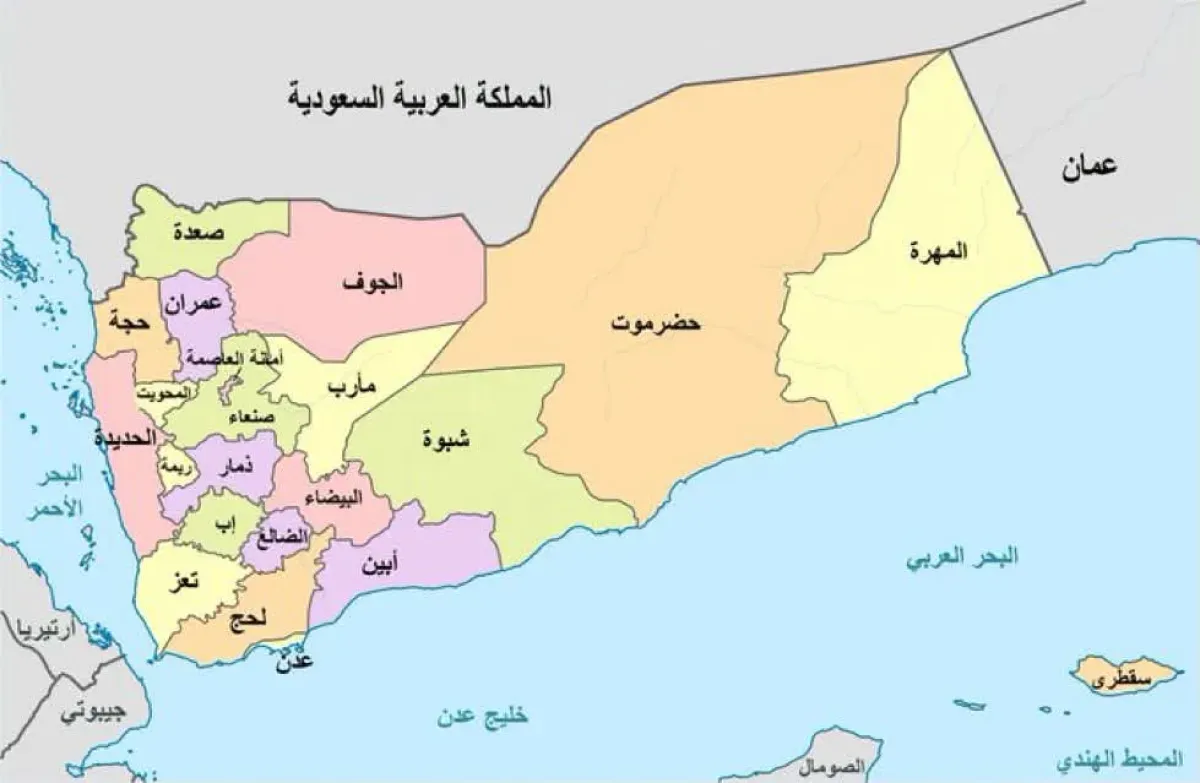
Amidst growing calls for swift military action to reclaim territories held by Houthi militias, questions are intensifying regarding the performance of Yemen's Presidential Leadership Council (PLC) years after its formation and its progress in achieving its stated objective: restoring the state and ending the coup. These demands coincide with statements from political and military factions endorsing any campaign aimed at liberating Houthi-controlled provinces, reigniting debate over why this declared consensus has not translated into tangible military operations on the ground. The PLC was established in April 2022, assuming the powers of the presidency with the aim of unifying political, military, and security efforts, bolstering the state's capacity to confront the Houthi militias, and advancing peace prospects if conditions allow. Despite its formation within a political consensus among anti-Houthi forces and with support from Arab coalition nations, the PLC's performance remains a subject of widespread discussion, particularly given the continued Houthi control over the capital, Sanaa, and several other provinces, and the lack of significant military advancements. Recently, political groups and military formations have declared their support for liberating Houthi-held areas, affirming their readiness to participate in operations to end the coup. Proponents of these calls argue that the declared political and military consensus should manifest in practical steps, emphasizing that statements alone are insufficient for field progress and that continued delays grant the Houthi militias more time to strengthen their military capabilities and consolidate their influence. Observers suggest that the complexities of the Yemeni landscape extend beyond military capabilities, encompassing challenges in unifying political and military decision-making among legitimate forces, differing priorities among various factions, and the influence of regional and international developments. They also highlight that any large-scale military operation necessitates high-level coordination among government forces and diverse military formations, alongside essential logistical, economic, and political support to ensure sustainability and achieve objectives. Among recurring demands is the call for political leaders and state institutions to operate from within Yemen, believing that the physical presence of leadership can enhance public trust, improve institutional management, and allow for direct oversight of military and service operations. Supporters of this view contend that managing the effort to restore the state from Yemeni territory could empower official institutions with greater coordination and decision-making capacity, though others cite wartime conditions and security considerations as significant obstacles. Between the option of decisive military action and efforts toward a political settlement, the future of the Yemeni conflict hinges on a confluence of internal, regional, and international factors. Meanwhile, popular demands for tangible progress to end over a decade of war are mounting. As endorsements and support statements continue to be issued by various anti-Houthi forces, the critical question remains: will these positions evolve into practical actions on the ground, or will the situation remain defined by the stalemate that has characterized recent years? |