


Yemen Clashes Intensify Amidst Shifting Frontlines and Calls for Military Momentum
|
2 days ago
A-
A+
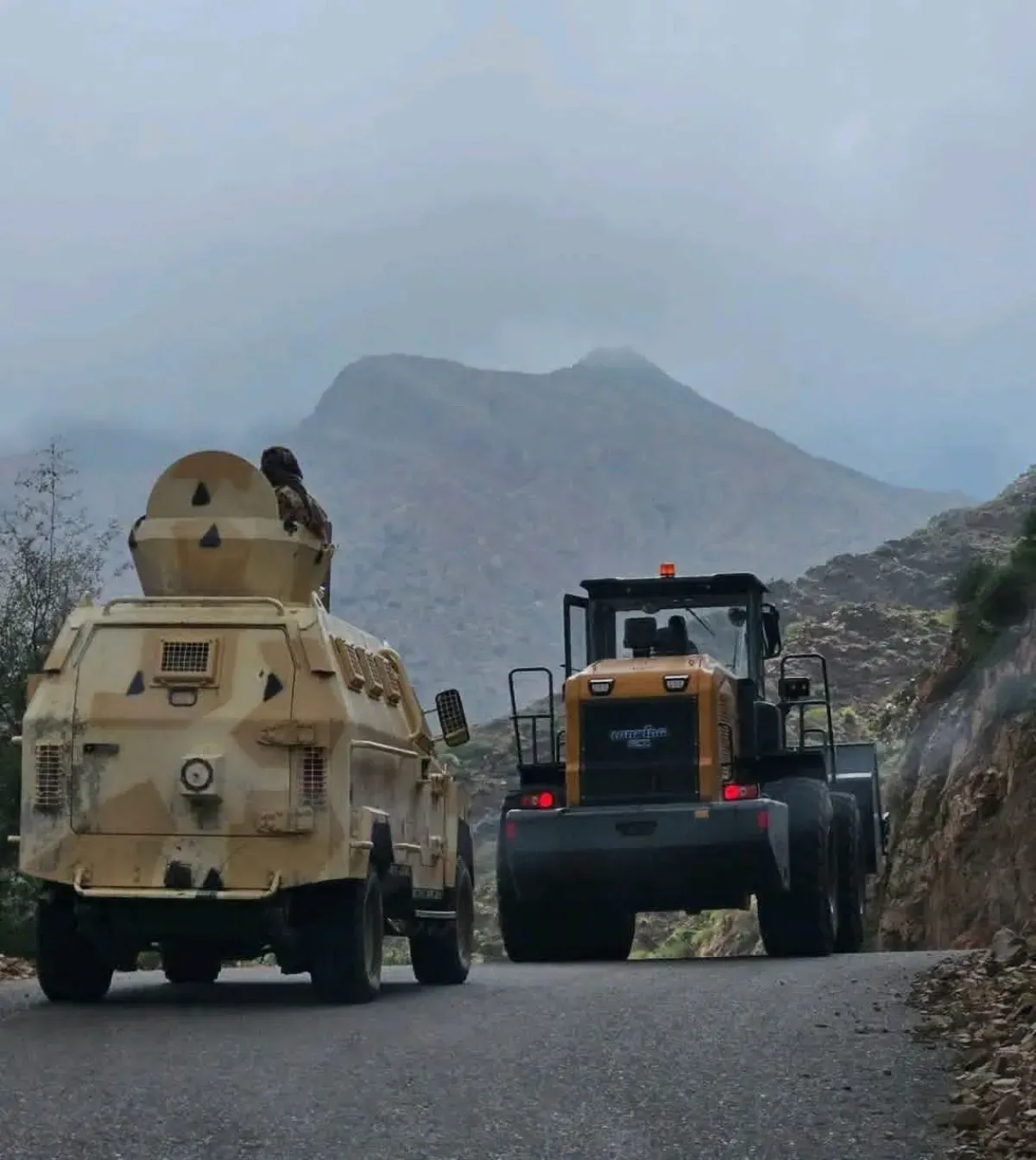
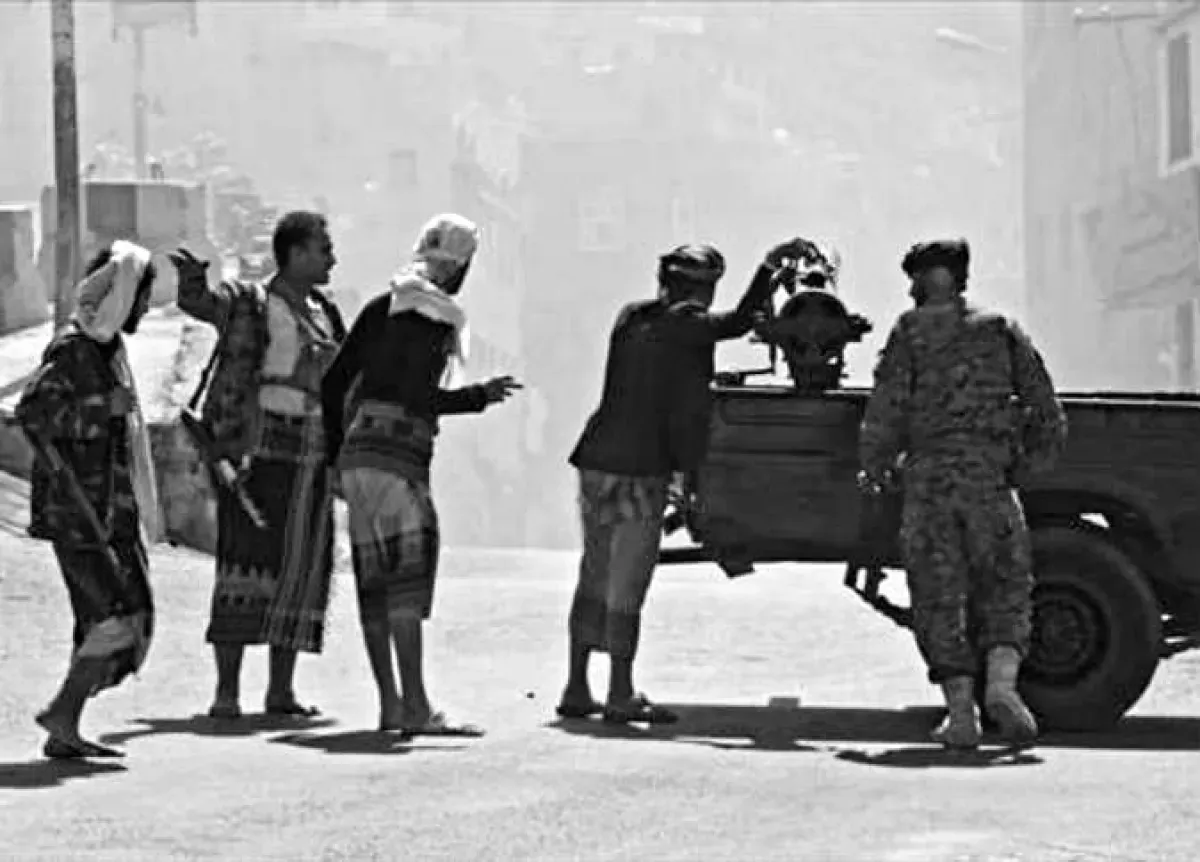
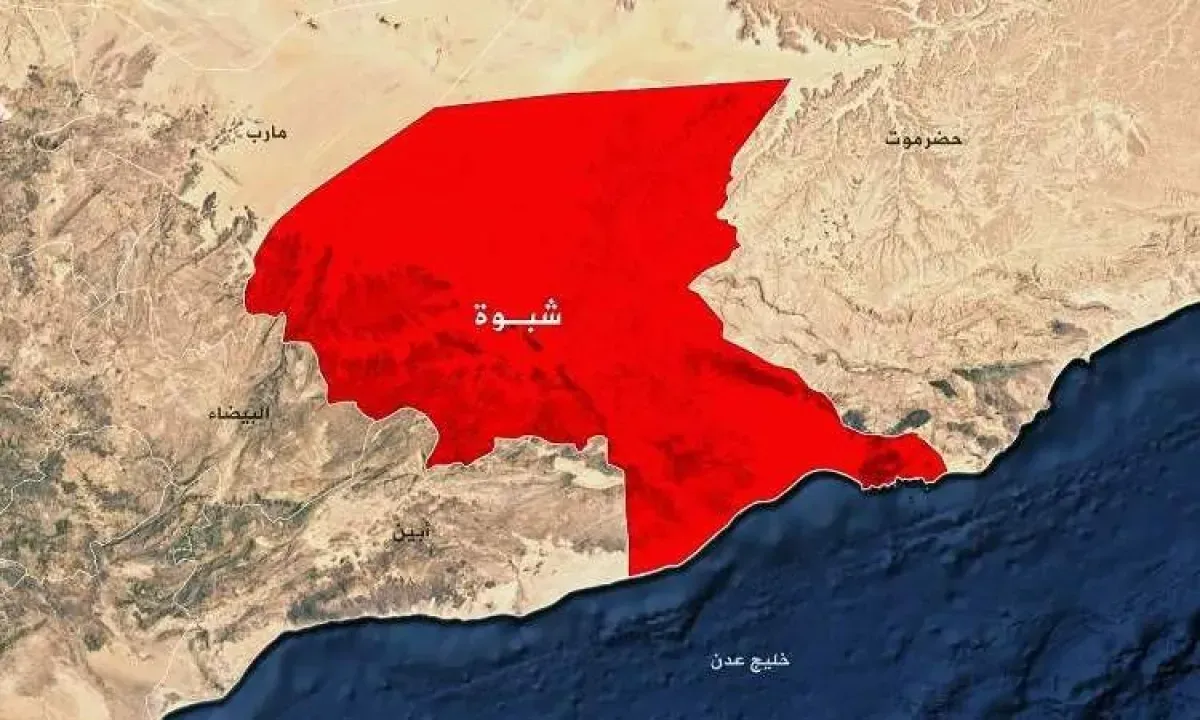
Recent days have witnessed a significant escalation in fighting across multiple fronts in Yemen, with government forces and Houthi militias engaging in intensified clashes. While government-aligned sources report Houthi losses in Al Jawf, Marib, Dhale'a, and Hodeidah, analysts suggest the battlefield situation remains fluid, exacerbated by political deadlock and stalled UN-led peace efforts. Sporadic confrontations between government troops and Houthi fighters have occurred in Al Jawf, Marib, Dhale'a, and Hodeidah governorates. This development underscores the ongoing military attrition, despite a general reduction in large-scale operations over the past three years. Military sources supporting the government claim that the Houthi forces have deployed reinforcements to several contact lines and initiated limited assaults to test government readiness. However, these attempts, according to the sources, have not yielded territorial gains and have resulted in casualties among the Houthi ranks, with some fighters reportedly captured or surrendering to government forces. Concurrently, a heightened media war has emerged between the two sides, with each faction's media outlets broadcasting claims of battlefield victories and highlighting the opponent's losses. Analysts observe that the conflict in Yemen has expanded beyond military engagements, with media and social media platforms becoming critical battlegrounds for disseminating conflicting narratives to bolster supporter morale and influence public opinion. The recent military escalation occurs while UN-sponsored peace initiatives face considerable challenges, marked by a lack of tangible progress towards resuming direct negotiations between the Yemeni government and the Houthi militias. Observers suggest that the persistent political stalemate provides warring factions with opportunities to reorganize their military capabilities, leaving open the possibility of wider combat rounds, particularly if unannounced understandings that have helped de-escalate military operations collapse. Conversely, political and military figures aligned with the government are advocating for leveraging what they describe as the Houthi militia's current setbacks. They emphasize that any delay in capitalizing on these battlefield developments could allow the militia to regroup and regain the initiative. This perspective argues that achieving a military resolution requires greater coordination among government forces and their supporting allies, without tying military actions to the politically complex peace process. Despite reports of battlefield shifts, experts on the Yemeni conflict maintain that the situation remains intricate. They caution that territorial gains do not necessarily signify a fundamental alteration in the balance of power, given the dynamic nature of the frontlines. Experts also highlight that the continuation of military operations, coupled with the stalled political track, intensifies fears of the conflict entering a new phase of escalation, unless international and regional efforts succeed in bringing the parties back to the negotiating table. The civilian population continues to bear the brunt of this protracted conflict, now spanning over a decade. |