


Yemen's "Yawm Al-Nshoor" Becomes Protest Against Houthi Ideology in Amran
|
1 month ago
A-
A+
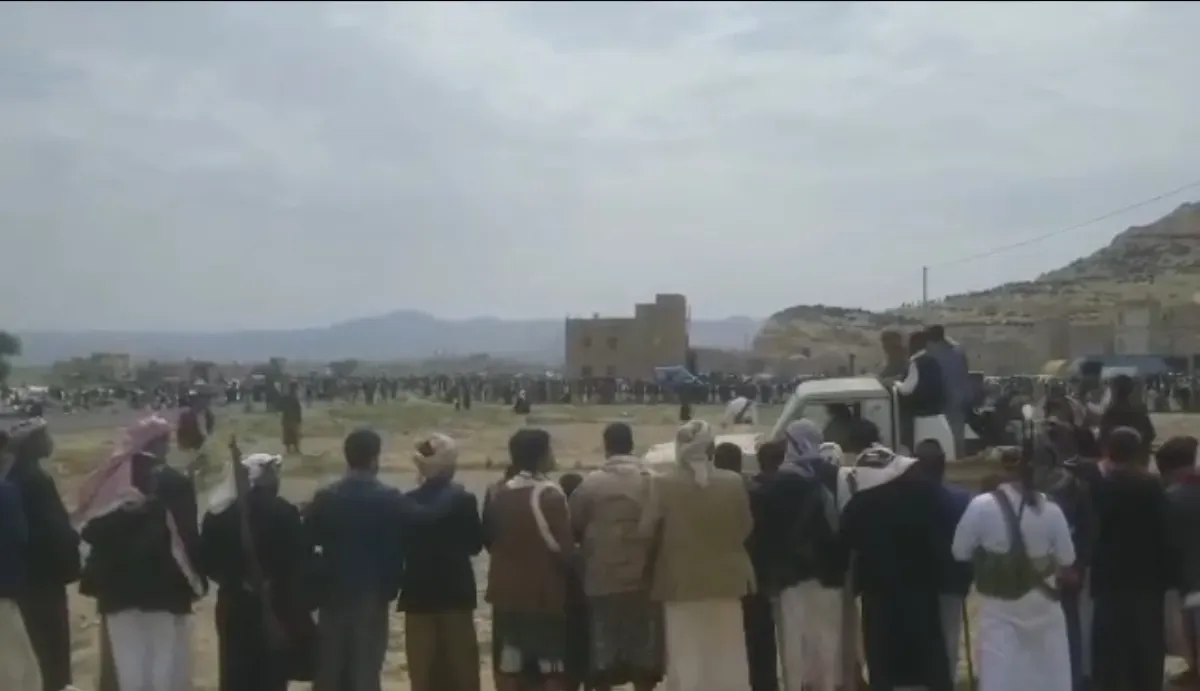
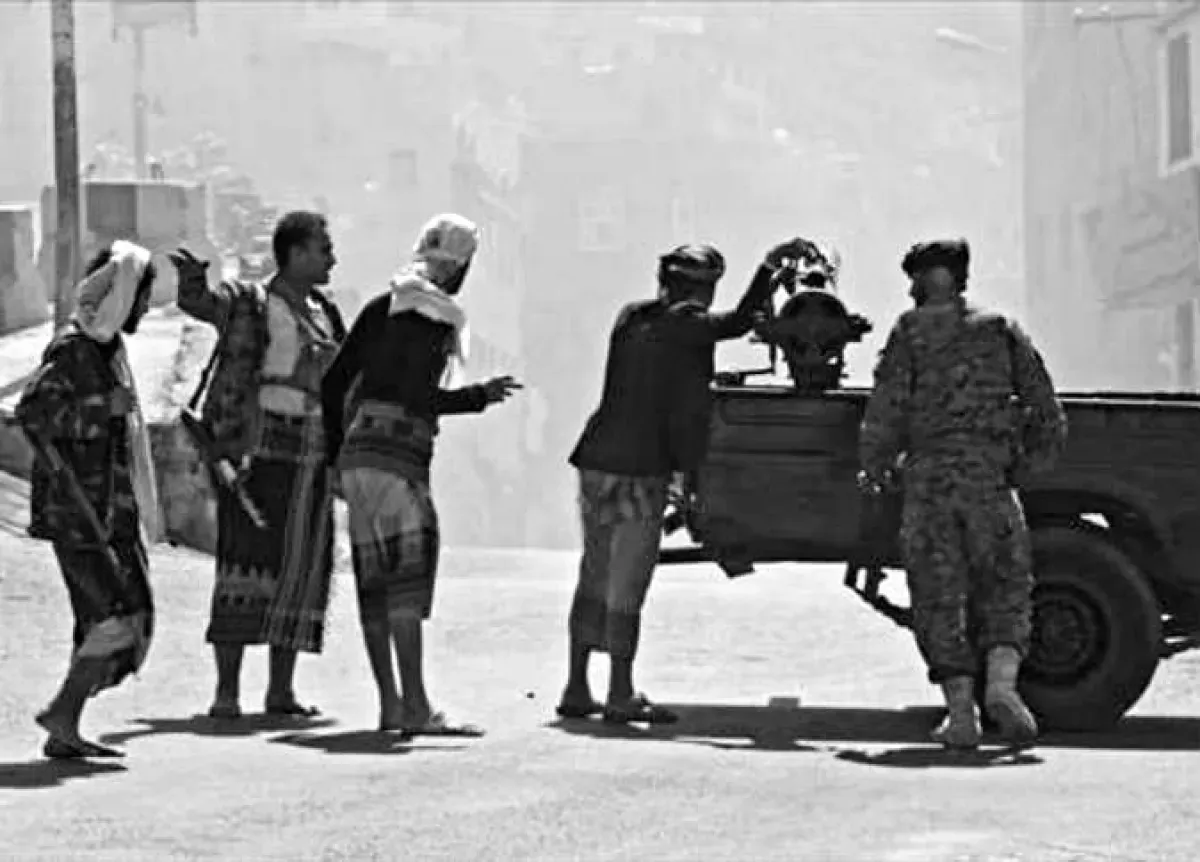
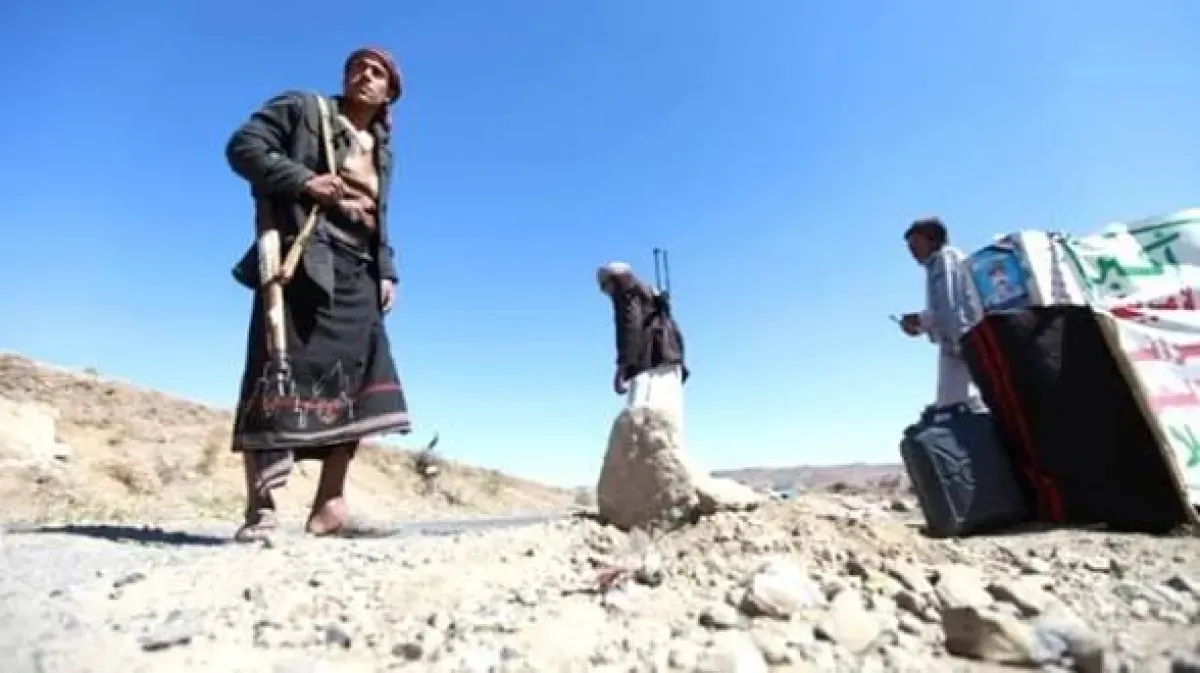
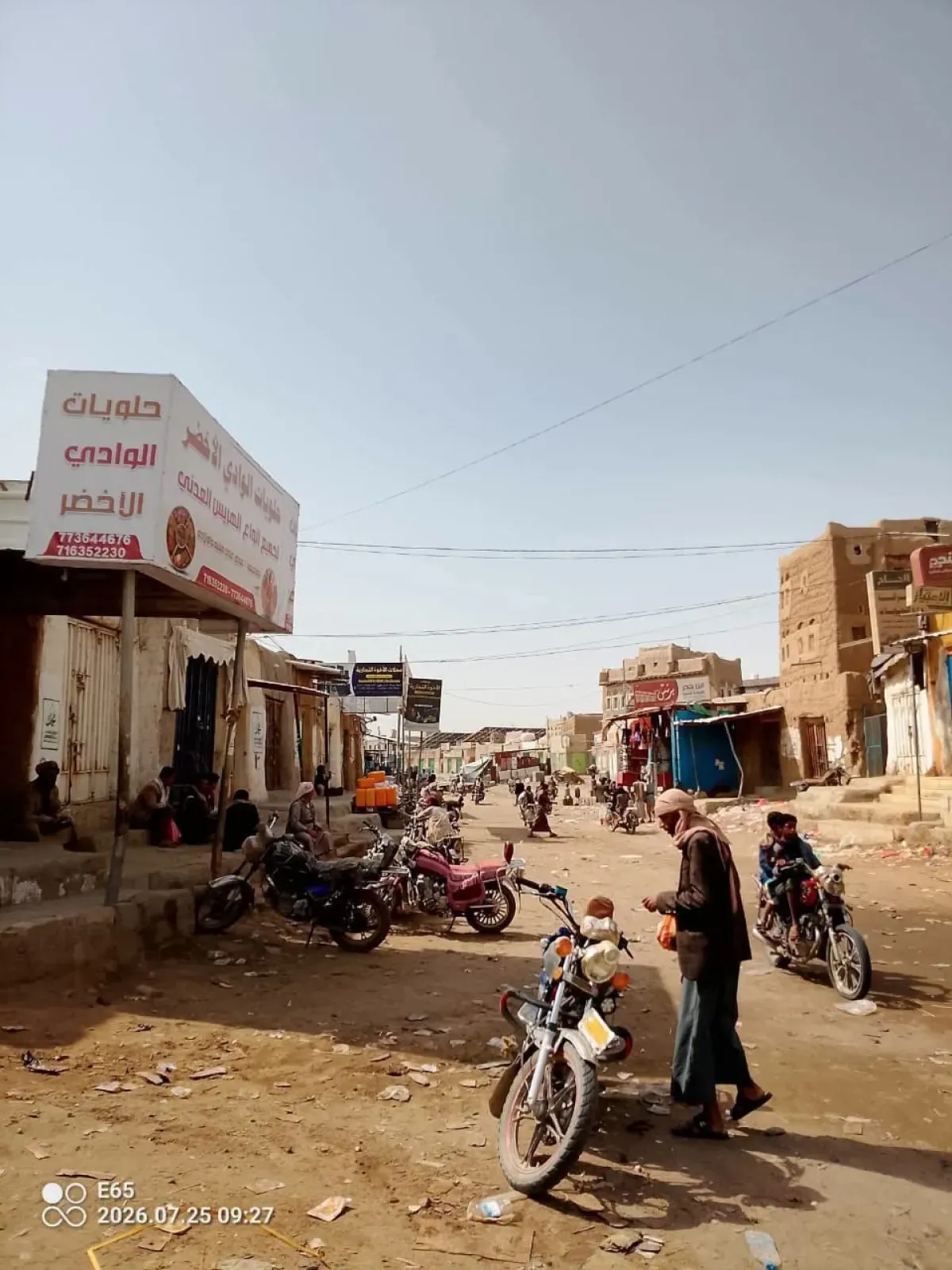
In Amran Governorate, Yemen, tribal communities are reviving the traditional "Yawm Al-Nshoor" (Day of Spreading) as a powerful display of unity and rejection of the Houthi movement's ideologically driven rituals. While the Houthi militia is mobilizing its resources to impose its sectarian and political observances in areas under its control, the tribes of Amran Governorate in northern Yemen are steadfastly preserving a deep-rooted social and tribal tradition known as "Yawm Al-Nshoor." This day, observed on the 19th of Dhu al-Hijjah each year (the tenth day of Eid al-Adha), has transformed from a mere festive occasion marking the end of Eid into a popular demonstration reflecting the cohesion of Yemeni tribes and their opposition to foreign ideologies. "Yawm Al-Nshoor" is one of the most prominent inherited customs among the Bakil tribes, particularly in the districts of Raydah, 'Iyal Surayh, Ghawlat Ajeeb, and Al-Jabal in Amran Governorate. The tradition dates back decades, possibly centuries, and is historically linked to the reception of pilgrims returning from the holy lands and the end of the Eid holiday, signaling a return to daily life and work. On this day, inter-tribal disputes and partisan or factional allegiances dissolve, with tribes converging in open public squares to foster values of tolerance, reconciliation, and fraternity. Strict tribal customs and norms prohibit the display of any sectarian or factional slogans or banners, rendering it a day dedicated solely to Yemeni and tribal identity. The ceremonies commence in the early morning hours, with tribes arriving in orderly rows accompanied by the rhythm of drums and the chanting of traditional "zawamil" (chants), "mahaid" (tribal songs), and popular festivities. The squares transform into open arenas for showcasing popular dance and "bar'ah" (tribal sword dance) skills, alongside shooting competitions and celebratory gunfire in the air to announce arrivals and welcome each other. The occasion extends beyond mere celebration, serving as an open tribal platform and council for discussing challenges facing the local community and seeking collective solutions. In recent years, the symbolic significance of "Yawm Al-Nshoor" has amplified, as its timing immediately follows the day the Houthi militia designates as "Yawm al-Wilayah" (Day of Guardianship) or "Eid al-Ghadir." Researchers and observers of tribal affairs note that the tribes' adherence to this traditional observance has become a veiled message of political and social rejection, a deliberate counterpoint to the militia's attempts to impose imported rituals that clash with authentic Yemeni identity. This tribal solidarity and refusal to display Houthi slogans during "Yawm Al-Nshoor" consistently raise concerns and anxieties among the militia's leadership, who have repeatedly attempted to prevent the celebration or disrupt its festivities. However, these efforts are consistently met with a formidable wall of tribal resistance, sometimes escalating to open defiance. In previous years, the occasion witnessed explicit threats from prominent tribal leaders against high-ranking Houthi officials, rejecting any interference in tribal affairs and customs. Thus, this day remains a vibrant Yemeni tableau encapsulating tribal strength, authenticity, and solidarity, affirming that Yemen's popular heritage serves as the primary defense against attempts at ideological and political erosion. |