


Yemen's 2011 Presidential Palace Attack: Saleh's Restraint Averted Civil War
|
2 hours ago
A-
A+
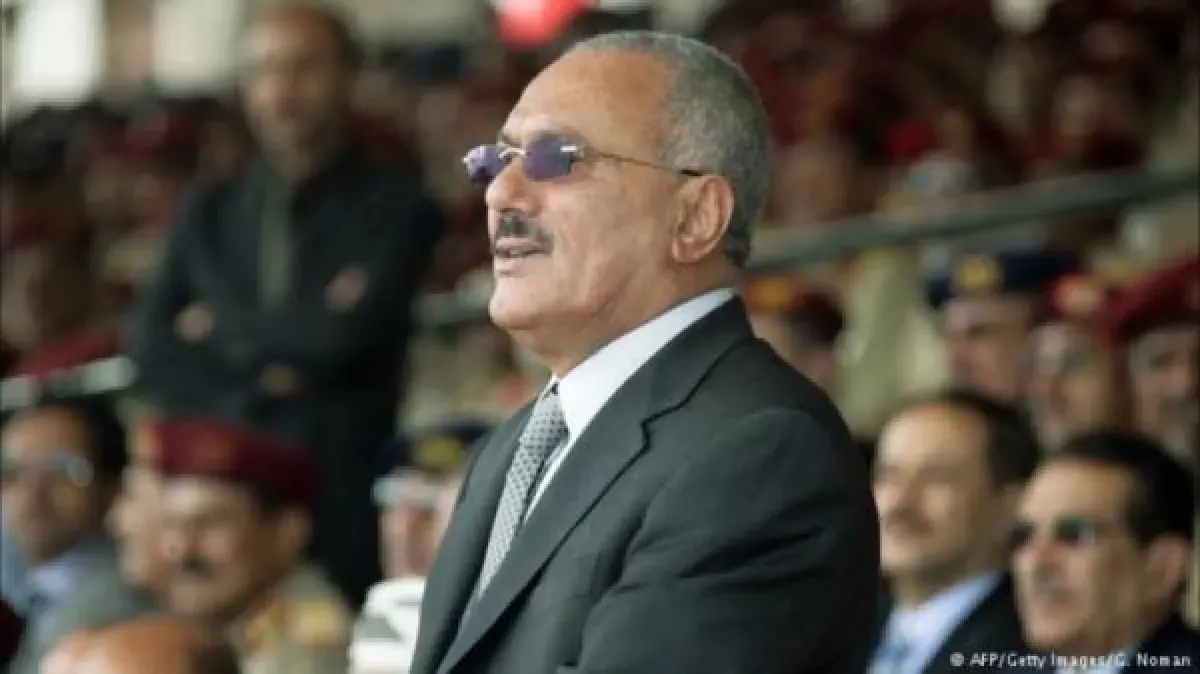
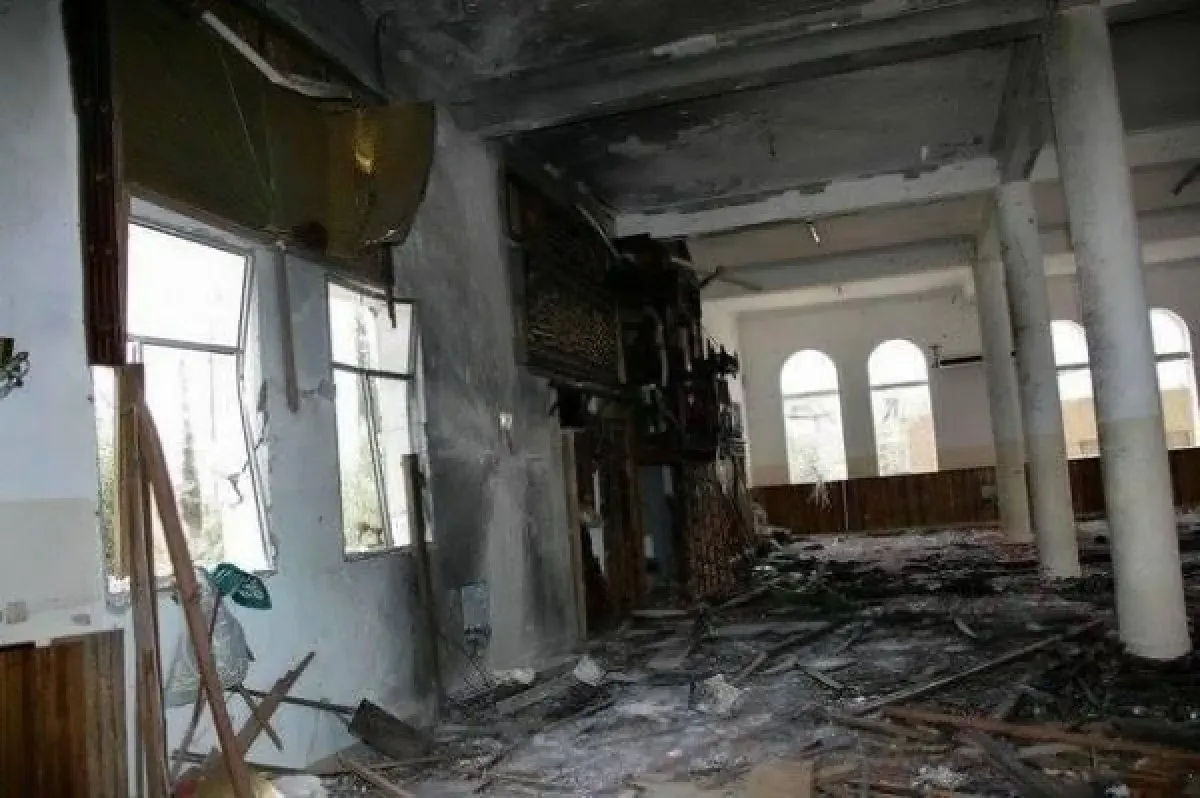
The attack on the Presidential Palace mosque on June 3, 2011, a pivotal and dark moment in contemporary Yemeni history, was not merely an assassination attempt but a carefully orchestrated trap designed to plunge the nation into a devastating civil war. Following the bombing, which targeted the legitimate state and its leadership within a place of worship, the regime possessed the military, security, and popular support to retaliate with overwhelming force, crush protests, and initiate a widespread purge against the perpetrators. However, in a demonstration of leadership that distinguished a statesman from a mere power-holder, President Ali Abdullah Saleh prevented the nation from descending into chaos. Amidst the flames and rubble of the mosque, bleeding and in pain, Saleh made a strategic and historic decision: to reject military reprisal. He consciously refused to allow his injuries and those of his companions to become fuel for the destruction of his country. With his political acumen and extensive experience, he understood that engaging in armed retribution and civil conflict would signify the end of Yemen, the nation he had dedicated his life to building and unifying. Saleh's deliberate choice to forgo personal vengeance at this critical juncture exemplified the highest degree of political courage and national responsibility. He offered a profound lesson in prioritizing public safety over personal and political retribution, placing Yemen's paramount interests above narrow factional or partisan considerations. This stance was not a sign of weakness but a display of immense strength and magnanimity, saving the lives of millions of Yemenis who would have paid the price for any rash decision. Reflecting on the events years later, the depth of Saleh's commitment to averting war and bloodshed becomes profoundly clear. His conviction that destroying nations is easy, but rebuilding them from the depths of chaos is exceedingly difficult, proved prescient. Though the leader is gone, the wisdom of his action at the Presidential Palace remains a testament to his dedication to protecting his people and his country, even at the cost of his own life. This represents the model of statesmanship that nations often lack in times of reckless adventurism. |