


Houthi Forces Levy Extortionate Taxes on Ibb Residents Under Pretext of "Day of Wilayah"
|
5 hours ago
A-
A+
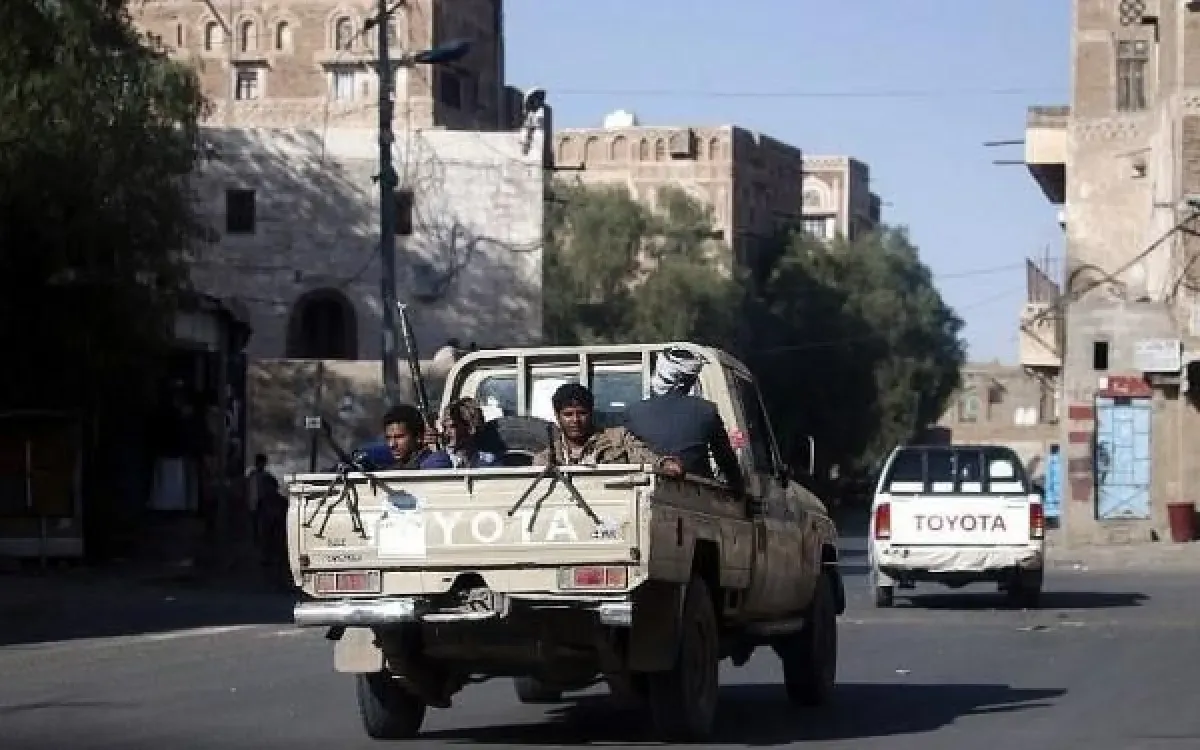
Houthi militia forces have initiated a widespread campaign of financial extortion targeting merchants, businesses, expatriates, and citizens in the Al-Nadera and Al-She'r districts of Ibb Governorate, Yemen. Sources indicate these levies are being imposed under the guise of funding events for what the militia terms the "Day of Wilayah." Since their coup in September 2014, the Houthi militia has placed significant emphasis on sectarian observances, employing a strategy aimed at reinforcing their narrative of a divine right to power and wealth. Merchants, including wholesale and retail traders, as well as owners of private hospitals, clinics, pharmacies, and restaurants, reported that the Iran-backed militia, led by the recently appointed director of Al-Nadera district, Colonel Shaker Al-Shubaybi, has imposed varying sums on businesses. These amounts, based on the nature and scale of operations, range from 100,000 Yemeni Rials to 2 million Yemeni Rials per entity, accompanied by implicit threats of punitive measures against non-compliant individuals. The campaign has also extended to fuel and gas stations, with additional fees levied outside legal frameworks, amounting to 100 Rials per liter of petroleum products. Street vendors and stall owners have been compelled to pay between 2,000 and 5,000 Rials, despite their precarious economic situations and reliance on limited daily earnings. Furthermore, printing and design shops have been mandated to produce banners, signs, and slogans with sectarian themes for the occasion. This initiative is part of the militia's efforts to highlight the event as one of its most important annual observances. The extortion is not confined to commercial activities; it has also reached low-income citizens in villages and neighborhoods, where field supervisors are tasked with collecting contributions. Residents are pressured to contribute financially under political and religious mobilization slogans, linking participation to support for what the militia describes as a confrontation against the United States, Israel, and certain Arab nations, notably Saudi Arabia. Local residents from various areas confirmed that Houthi supervisors meticulously document the names of those who refuse or are unable to pay, even when individuals attest to their inability to afford meager sums due to severe living conditions. The fear of harassment or denial of essential services compels many to comply with the financial demands or participate in militia-organized public events. The levies have also affected families of expatriates from the district, who are often required to pay sums not less than 50,000 Rials. The campaign encompasses qat farmers, livestock breeders, and beekeepers, indicating a broad scope of those targeted for payment. Economic sources suggest that the Houthi militia has successfully transformed its private religious and sectarian occasions into a parallel financial system generating substantial annual revenue. Local estimates indicate that similar campaigns conducted across Houthi-controlled governorates during more than ten annual occasions generate hundreds of millions, potentially billions, of Rials nationwide, operating without any financial or institutional oversight. Economic experts assert that these levies have become a consistent funding stream for the militia, supplementing taxes and fees imposed on commercial activities and markets. This exacerbates the financial burden on citizens and the private sector in Houthi-controlled areas, contributing to increased costs of goods and services and economic contraction. Merchants and citizens report that the repeated collection campaigns linked to Houthi observances have depleted the capital of many small and medium-sized enterprises, forcing some business owners to reduce operations or close permanently due to accumulated financial obligations and declining purchasing power. The Houthi militia justifies these collections by citing the funding of their "Day of Wilayah" events, observed on the 18th of Dhu al-Hijjah each Islamic year, known to its followers as Eid al-Ghadir. The militia bases its observance on a religious interpretation that they claim establishes a right to "Wilayah," a concept rejected by numerous religious scholars who maintain that the occasion does not form a basis for governance or hereditary political mandate. The militia's "Day of Wilayah" this year falls on Thursday, June 4, 2026, amidst Houthi preparations aimed at consolidating control, accompanied by mobilization and fundraising campaigns that residents describe as a recurring annual burden added to a long series of levies imposed over the past decade. |