


Houthis Intensify Levies and Mobilization Amidst Economic Hardship
|
2 hours ago
A-
A+
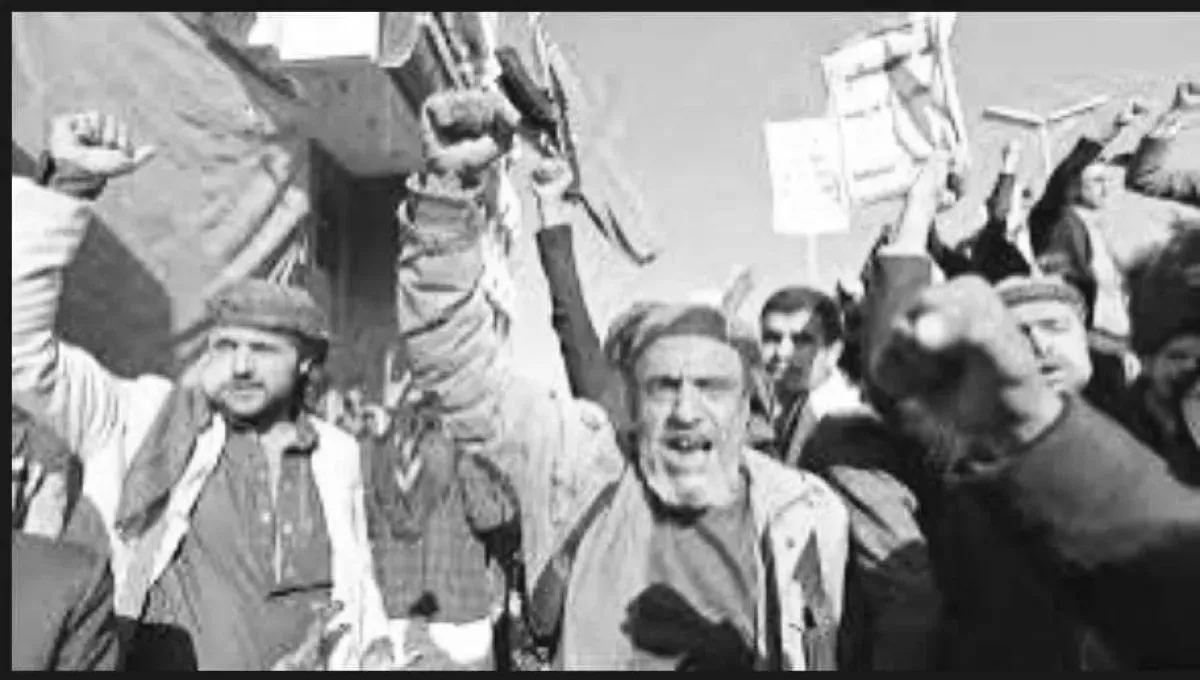
The Houthi militia is escalating preparations for the annual "Wilayah Day" across Sanaa and other controlled territories, imposing extensive mobilization campaigns on government institutions, the private sector, markets, and educational facilities. This comes amidst a worsening economic situation and a deepening humanitarian crisis affecting millions of Yemenis. Streets in Sanaa and cities like Ibb, Dhamar, Amran, Mahwit, Hodeidah, Hajjah, and Saada are witnessing a rapid increase in decorations, banners, and slogans associated with the occasion. Houthi supervisors and local authorities are actively mobilizing citizens and compelling various institutions to participate in events planned over the coming weeks. Local residents report a significant presence of event-related displays in main streets, public squares, and government buildings, including advertisements and posters promoting the militia's "Wilayah" narrative. Field teams are decorating streets with sectarian flags and banners, despite the severe deterioration of basic services, power outages, and crumbling infrastructure in many controlled cities. Sources within Houthi-controlled government bodies reveal undisclosed directives requiring all government entities to participate in "Wilayah Day" activities, either by organizing internal events or by mobilizing staff for central gatherings. Houthi supervisors in ministries and government agencies are holding meetings to plan participation, set attendance quotas, and collect financial contributions for supporting events. Some institutions are directed to allocate logistical and human resources, including transportation and media campaigns, to serve the events, drawing criticism for the increasing use of state institutions for the militia's political and ideological agenda. Government employees confirm that participation is often an implicit obligation, with non-compliance or absence potentially leading to exclusion from job benefits or accountability by Houthi supervisors. Concurrently, markets and commercial centers are subjected to financial campaigns targeting traders and businesses. Field teams are collecting financial contributions under the guise of supporting "Wilayah Day" events, following similar levies imposed during Eid al-Adha, intensifying financial pressure on the private sector which is already suffering from a severe economic recession and declining consumer purchasing power. Business owners note that the imposed amounts vary by business size, but the mandatory nature of these contributions is consistent, leaving many traders unable to refuse. Economists warn that repeated levies weaken commercial activity and overburden the private sector, a key provider of jobs and economic stability. These practices ultimately impact consumers through increased prices for goods and services, stemming from higher operational and production costs. Educational institutions are also targeted, with schools and universities being significant platforms for mobilization. Educational sources indicate that schools are instructed to organize activities and lectures related to "Wilayah Day," even during the current school closure period. School principals and teachers are compelled by the militia to invite students and parents to participate in awareness programs promoting the militia's ideology. Universities are preparing for seminars and public events, raising concerns about the continued exploitation of educational institutions for political and ideological mobilization, diverting them from their academic mission. Educators and academics believe these activities widen ideological polarization and negatively affect the educational environment. Media outlets affiliated with the militia have intensified coverage of the occasion, dedicating significant airtime and print space to promote "Wilayah Day" and encourage participation. Social media platforms are active with promotional content, designs, and slogans, alongside online campaigns aimed at amplifying the event's media presence. Observers note that this extensive media focus underscores the militia's strategic importance of the occasion for reinforcing its political and ideological discourse and mobilizing supporters. Amidst extensive preparations, questions arise about the significant funds being spent on "Wilayah Day" events, particularly given the dire economic conditions. Observers suggest that the scale of preparations and activities points to substantial financial resources being diverted, sourced from levies on traders and funds collected from controlled institutions. These funds, they argue, could be better utilized to improve basic services or address pressing crises, including salary payments, healthcare, education, and infrastructure. Economists emphasize that allocating vast resources to promotional events while most Yemeni families face severe living conditions due to inflation, declining incomes, and widespread poverty highlights a stark disconnect between citizens' needs and the militia's priorities. Researchers and observers view "Wilayah Day" as more than a religious event for the Houthi militia; it has become a political and media platform to reinforce ideological discourse and a specific narrative on governance and legitimacy. The militia annually expands the celebration's scope, adding a public and official dimension by involving government bodies, the private sector, educational, and media institutions. This expansion reflects the militia's effort to embed its concepts within society and institutionalize them, ensuring its continued influence. As the Houthi celebration begins, cities under their control face a comprehensive mobilization effort blending political, economic, media, and social aspects, while citizens, traders, and employees bear additional burdens amidst increasingly difficult living conditions. The prominent question for many Yemenis concerning the cost and impact of these annual celebrations on their daily lives remains unanswered, as economic and humanitarian crises deepen, and prospects for recovery and stability diminish in a nation ravaged by years of conflict, division, and strife. |