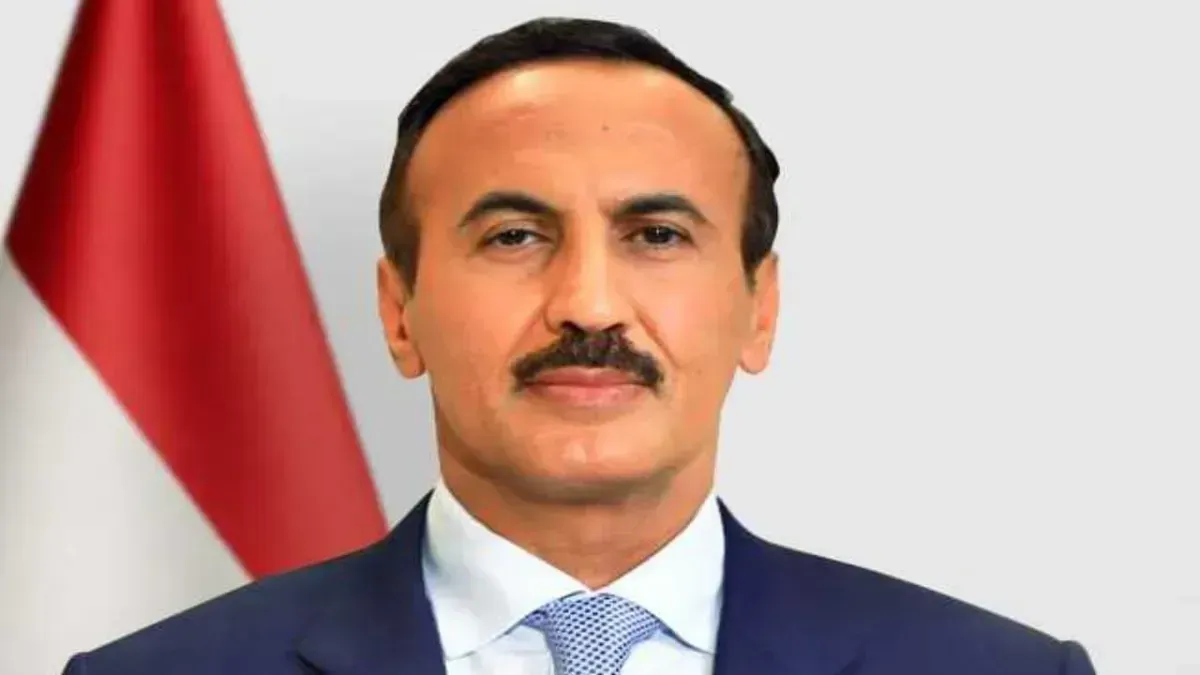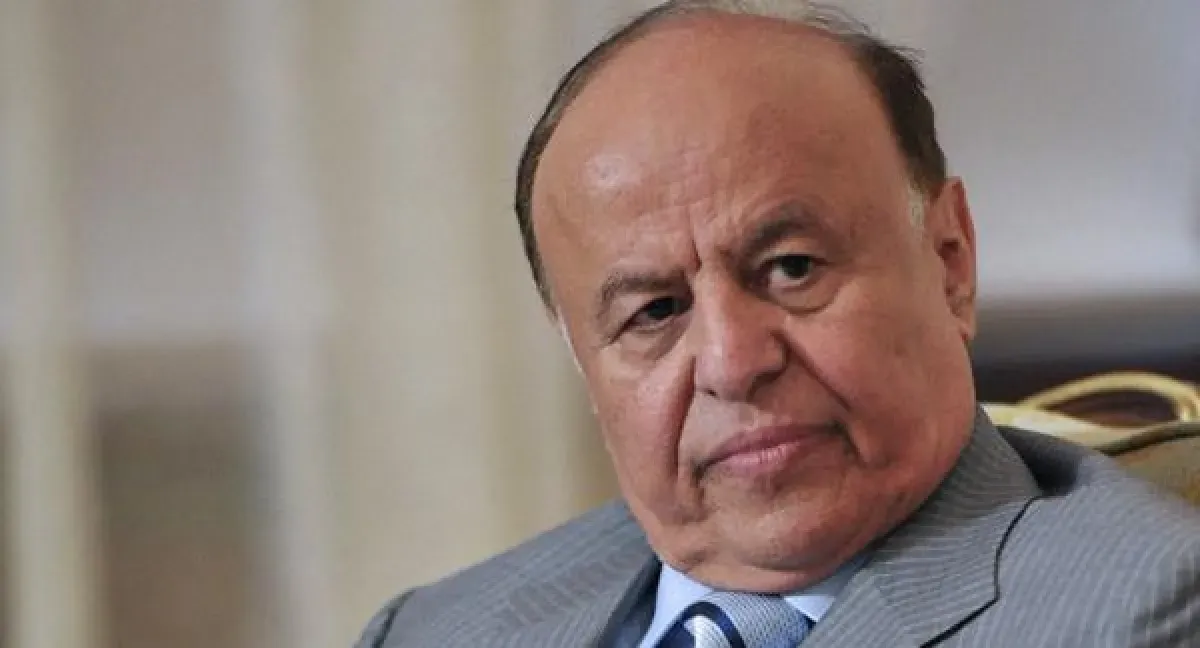



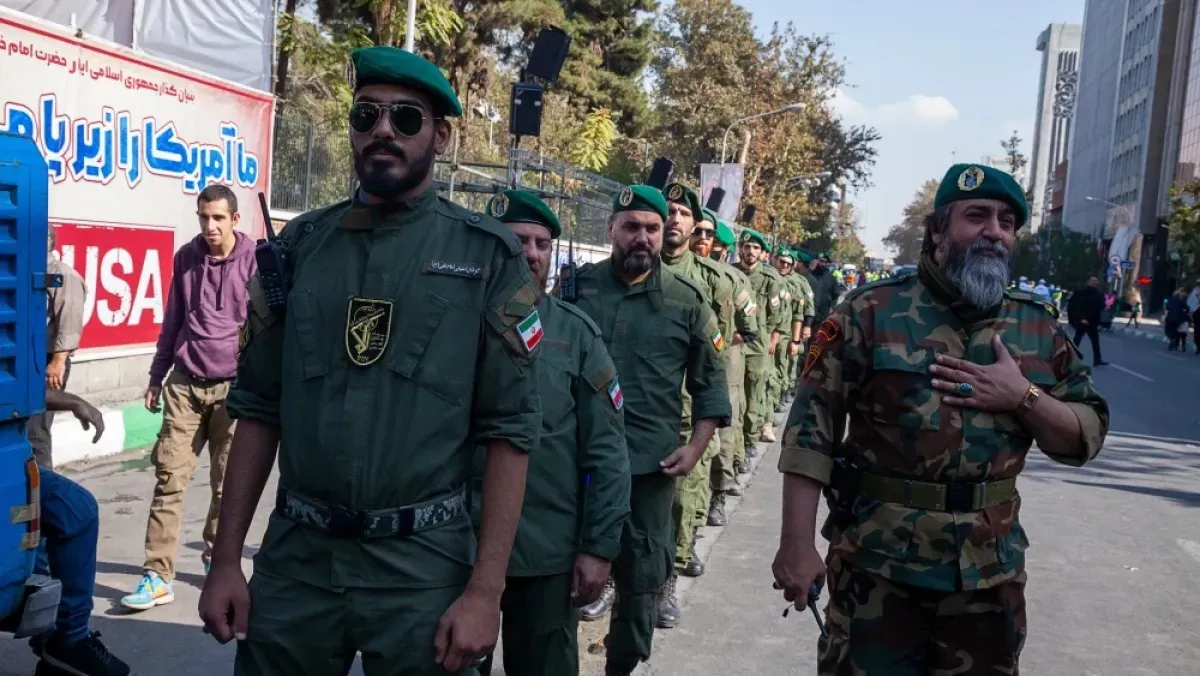
A significant, though largely unacknowledged, alliance within Iran's ruling elite, comprising two prominent Islamic Revolutionary Guard Corps (IRGC) leaders, could reshape the nation's power dynamics following the eventual absence of Supreme Leader Ali Khamenei, according to a report by The Telegraph. The British newspaper highlighted that Western media has paid scant attention to this developing alliance, despite its potential implications for the future of the Iranian regime and its power structure. While many Western analyses have positioned Parliament Speaker Mohammad Bagher Ghalibaf as the most influential figure in Iran post-Khamenei, emerging evidence suggests that actual power centers within the IRGC are moving in a different direction, diminishing Ghalibaf's influence in the political and security landscape. According to researchers Kaveh Afrasiabi and Saeid Golkar, Ghalibaf's standing has notably declined recently. This decline is reportedly linked to speculation within the IRGC about his marginalization in key areas, including negotiations with the United States, a development that has caused discontent among his close associates. The report indicates that Ahmad Vahidi, the new commander of the IRGC, is increasingly seen as the most influential figure within the Iranian system, a conclusion reportedly supported by Western intelligence sources. Vahidi's influence, however, is not solely derived from his military position. It is also built upon a network of internal alliances he has cultivated over years spent in civilian and security state institutions, including the Ministry of Interior and the National Defense University. This trajectory has somewhat distanced him from the day-to-day influence centers within the IRGC. In this context, Mohammad Ali Jafari, the former commander of the IRGC, emerges as a key power broker within the military establishment. The Telegraph suggests that Jafari has become a crucial partner for Vahidi in establishing new power balances, leveraging his extensive connections with younger generations of the IRGC and the Basij forces. Information from the report indicates a long-standing tension between Jafari and Ghalibaf, which became more public after the leak of audio recordings in 2022 containing corruption allegations against Ghalibaf. Although Jafari later lost his position as IRGC chief, he remained influential, taking command of "Setad-e Baqiyatallah" in 2019, an organization described as one of the most influential and secretive institutions within the Iranian system. Leaked recordings cited by the newspaper suggest this entity reports directly to the Supreme Leader's office, similar to sensitive security and military organizations. During his tenure as IRGC commander from 2007 to 2019, Jafari oversaw a significant restructuring of the military, aimed at decentralization, enhancing security and intelligence capabilities, and developing unconventional confrontation tools. He was instrumental in establishing new security and intelligence agencies, expanding the IRGC's activities in cyberspace and internal security, and directing responses to protests. The report identifies Jafari's primary leverage as the "Middle Ring," a network established to recruit and train ideologically aligned youth groups loyal to the regime, with the goal of forming hundreds of thousands of small groups across Iran for cultural, political, and organizational roles. This network has reportedly been used to influence political and electoral outcomes, with a leaked audio recording attributed to former Foreign Minister Mohammad Javad Zarif mentioning Jafari's role in election results. The report posits that this organizational network serves as the foundation for Vahidi to solidify his influence within the IRGC, particularly among the more hardline and ideologically committed younger generations. Vahidi and Ghalibaf represent divergent paths within the ruling establishment. While many ideologues within the IRGC view Ghalibaf as part of a political elite associated with corruption and economic privileges, Vahidi is presented as a proponent of the more hardline ideological current. This perception has been reinforced by controversies surrounding Ghalibaf's family's overseas residency and other criticisms from conservative circles, occurring while official rhetoric promoted austerity. Ghalibaf's career transitions—from security commander to mayor to Parliament Speaker—have, according to the report, eroded the trust of some traditional power centers. The alliance between Vahidi and Jafari combines political interests and a shared ideological vision: Vahidi needs Jafari's established network within the IRGC and Basij, while Jafari sees Vahidi's rise as an opportunity to advance his faction and sideline rivals. The success of this alliance could usher in a new phase for Iran, characterized by the IRGC's direct management of state affairs and a shift in power from traditional political institutions to a more hardline security and ideological structure. This transformation might lead to intensified internal security measures and political restrictions, while externally, Iran could adopt more confrontational policies, viewing confrontation as a primary tool for asserting influence and achieving strategic interests. The report concludes that the future of this alliance depends on Iran's ability to navigate current challenges. However, available indicators suggest that the struggle for influence within the IRGC has become a decisive factor in shaping Iran's trajectory in the coming years. |