


Yemen's Eid Al-Adha: Joy Subdued Amidst Crisis, Displacement, and Exile
|
1 day ago
A-
A+
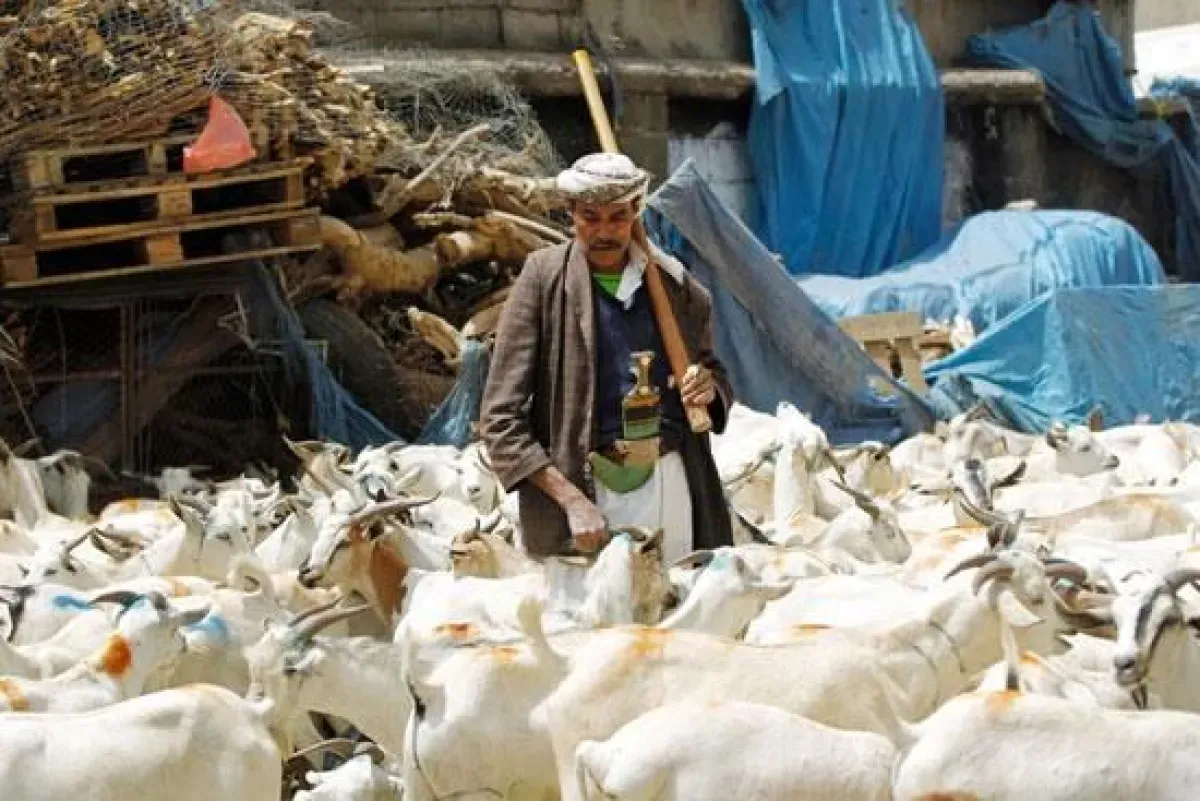
Millions of Yemenis are navigating a complex humanitarian and economic landscape this Eid Al-Adha, striving to find joy amidst prolonged crises. The religious occasion arrives as the nation grapples with the Houthi insurgency and severe political and economic fragmentation, casting a pall over daily life. Many citizens are solely focused on securing basic necessities for their families, with celebrations taking a backseat. For the majority, Eid has become a financial burden exceeding their collapsed purchasing power, as the festive chants from minarets are mingled with the sighs of citizens enduring exorbitant prices and deteriorating living conditions. This disparity is starkly evident across Yemen's diverse geography and social strata, from Houthi-controlled areas to liberated provinces, displacement camps, and abroad, making Eid a reflection of the ongoing Yemeni tragedy. In Sana'a and other Houthi-controlled governorates, the first day of Eid Al-Adha was marked by unprecedented commercial stagnation and cautious quiet in markets and public squares. Residents faced suffocating economic pressure, primarily due to the continued non-payment of government salaries for years and the militia's imposition of widespread financial levies and taxes on traders, livestock sellers, and businesses. This has led to astronomical price increases for goods, sacrificial animals, and Eid essentials. Livestock markets in Sana'a, Dhamar, Ibb, and Hodeidah were largely deserted by buyers, despite ample supply, as prices for sacrificial animals reached unsustainable levels for citizens with virtually no income. Thousands of families, unable to afford the ritual, have forgone it for the first time, contenting themselves with observing the animals in the markets. Traditional Eid customs have devolved into brief family visits focused on conserving resources, with elaborate Eid dishes absent from many tables, replaced by anxiety about the uncertain future under ongoing restrictions on public freedoms and the militia's attempts to imbue religious occasions with a specific ideological agenda far removed from the Yemeni tradition of tolerance, joy, and customary rituals. The situation is not markedly better in the temporary capital of Aden and liberated governorates such as Taiz, Hadhramaut, Shabwah, and others. Citizens there are contending with the relentless collapse of the Yemeni Rial against foreign currencies, leading to rampant inflation that has completely eroded purchasing power. A modest government employee's salary barely covers the cost of a quarter of a small sacrificial animal. In Aden, heads of households faced immense difficulty balancing the purchase of exorbitantly priced sacrificial animals with clothing for their children and the costs of Eid gifts and hospitality. Markets in Taiz and Marib witnessed a significant, forced boycott of purchases, with many citizens leaving empty-handed and heartbroken, unable to bring cheer to their homes. Despite these hardships and the economic and service collapse, including prolonged power outages amidst hot summer temperatures, residents are making efforts to create joy through self-reliance and mutual support. Public parks, gardens, and Aden's beaches saw families and children seeking respite and attempting to forget their daily worries. Community and charitable initiatives have emerged to distribute sacrificial meat to the poorest families, ensuring a minimum level of social solidarity and preserving the bonds of brotherhood that characterize Yemeni society during times of crisis. In another, more somber dimension of the Yemeni reality, millions of internally displaced persons (IDPs) in Marib, the West Coast, and peripheries of Taiz and Lahj spent the first day of Eid Al-Adha under harsh humanitarian conditions, displaced and living in dilapidated tents offering no protection from the sun or weather fluctuations. Eid celebrations were entirely absent from these camps, where residents subsist on scarce aid, the volume of which has significantly decreased due to reduced international funding for humanitarian organizations. Traditional rituals and sacrificial offerings were extremely limited, provided only through small-scale projects by national humanitarian organizations and charities that reached only a fraction of the thousands of displaced families. Children in the camps played in small, dusty areas, wearing old or worn-out clothes, a heartbreaking scene highlighting the vast chasm between stable life and the anguish of displacement. Many IDPs expressed their deep sorrow, emphasizing that true Eid for them would be a safe return to their homes and villages, an end to the war that has torn their social fabric, and the restoration of stability and a dignified life. The tents of displacement stand as a testament to a forgotten humanitarian tragedy, its painful chapters renewed with each religious occasion, with no real solutions in sight. For hundreds of thousands of Yemenis living abroad in expatriate communities and forced exile, the first day of Eid Al-Adha was filled with intense longing for family and homeland, coupled with grief over their country's tragic circumstances. In the Gulf Arab states, home to the largest bloc of Yemeni expatriate workers, they performed Eid prayers and exchanged greetings in small family and community gatherings, attempting to recreate Yemeni Eid traditions by preparing popular dishes and visiting each other. However, the pain of separation remained a constant presence, especially for many who spend Eid far from their spouses and children for years due to the complexities and costs of residency and recruitment procedures. The burden on Yemeni expatriates has intensified this year, as their phones and digital wallets have become conduits for urgent remittances and funds to their families back home to help them purchase sacrificial animals and Eid clothing. This represents a significant additional financial strain amidst rising living costs and fees in their host countries. Meanwhile, Yemeni political exiles, journalists, and activists in various Arab and European capitals spent Eid in the solitude of exile, carrying the sorrow of distance from their homeland and the deprivation of experiencing Eid in the ancient Yemeni streets. Their celebrations were limited to video calls with their families, seeing the faces of their children and relatives and sharing the joy remotely through small screens, a desperate attempt to compensate for the lost warmth of family and country. Amidst this political deadlock, comprehensive economic collapse, and suffocating living conditions affecting all segments of the Yemeni population, social and popular solidarity emerged as a last resort and safety net during the first day of Eid Al-Adha, preventing the community from complete disintegration and despair. Yemenis displayed remarkable awareness and unique humanitarian cohesion through widespread family, tribal, and community initiatives aimed at checking on needy and impoverished families and sharing sacrificial meat and Eid gifts in ways that preserve their dignity. Many affluent families chose to forgo ostentatious celebrations and focus instead on supporting their social circles of neighbors and relatives who could not meet Eid's demands. Social media platforms hosted extensive campaigns encouraging expatriates and the affluent to direct their alms and Zakat towards collective sacrificial projects and direct cash assistance, termed "Eid's Gift," for women and children, recognizing its significant psychological impact in bringing joy to weary hearts. These acts of solidarity affirm that the authentic Yemeni spirit and its values of compassion and empathy remain alive and vibrant, despite systematic attempts at erosion and years of prolonged war and fragmentation. The Yemeni citizen possesses an extraordinary capacity for resilience and innovation in creating life and resisting death, poverty, and displacement through all available means. This persistence fuels hope that the coming Eid will find Yemen restored to its health, stability, and comprehensive peace, ending this unprecedented humanitarian suffering. |