


Yemeni Public Condemns Houthi Leadership's Wealth Amidst Widespread Hunger
|
2 days ago
A-
A+
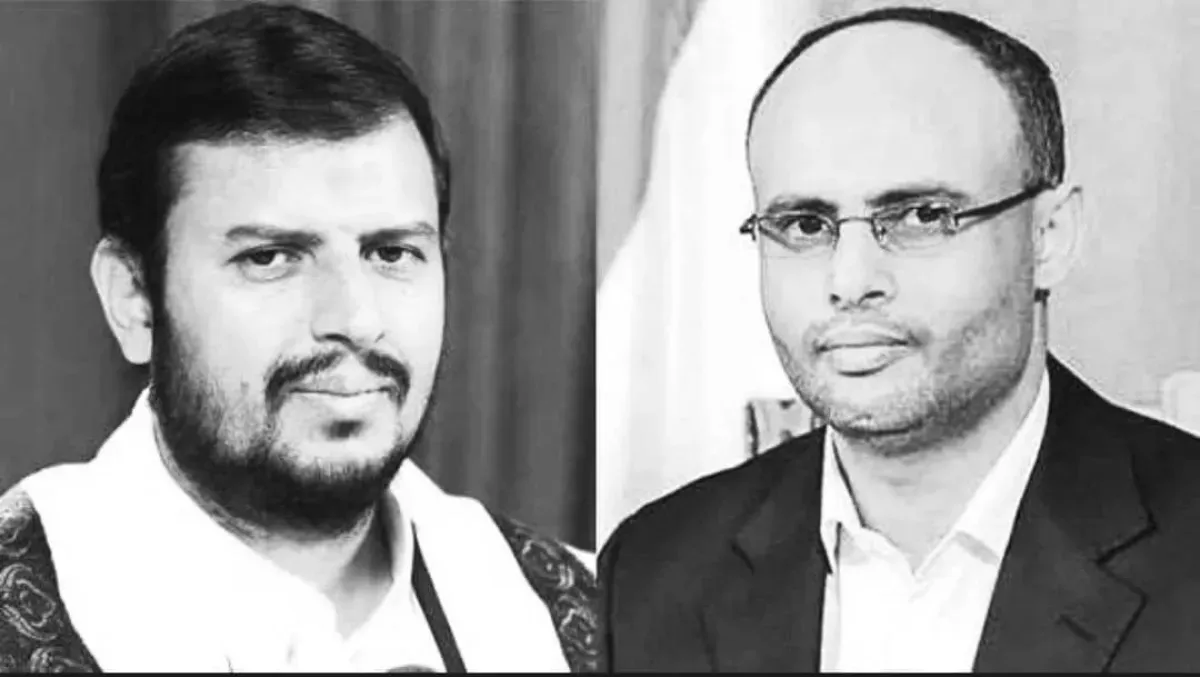
A recent speech by Mahdi al-Mashat, head of the Houthi Supreme Political Council, delivered on the occasion of Eid al-Adha, has ignited widespread public outrage and condemnation across Yemen. The address, intended as a religious greeting, quickly devolved into a stark exposure of the Houthi militia's exploitative practices, highlighting their opulent lifestyles funded by the suffering and deprivation of the Yemeni people. Social media platforms and public discourse have been flooded with criticism and mockery, reflecting deep-seated anger over the militia's persistent policies of deliberate impoverishment and starvation in areas under their control. The Houthi leadership's call for donations from businessmen and affluent individuals to aid the poor, coupled with their blatant shirking of legal and ethical responsibilities, has been particularly contentious. Critics view this plea as a desperate attempt to shift the state's fundamental obligations onto voluntary community initiatives, signaling a profound moral and political bankruptcy. Yemenis and activists alike have decried this as an explicit admission of failure to govern and a deliberate evasion of accountability for controlling state institutions and their vast financial resources. The militia's resort to begging, as observers note, is a blatant insult to the intelligence of citizens, especially considering the militia's direct role in creating poverty and famine through the looting of public assets, the destruction of the private sector, and the crippling of the economy. Social media users have actively dismantled al-Mashat's speech, labeling it a "shameful farce" that attempts to mask its failures behind religious rhetoric and hollow slogans of resilience and boycotts. These phrases, activists argue, have become mere tools of deception to legitimize widespread misery and distract from internal crises with manufactured external conflicts. The true awareness among Yemenis, they contend, is a profound understanding of their stolen rights and the militia's evident inability to manage the country or provide basic necessities. A direct correlation is now drawn between the Houthi media's empty rhetoric and the pervasive sight of hungry citizens and beggars in the streets, signifying the dramatic collapse of the ideological masks the militia has used to justify its systematic destruction of the state and society. The ongoing issue of unpaid government salaries, which has persisted for nearly a decade, stands as irrefutable evidence against the Houthi militia's false claims. Yemenis widely believe that the militia possesses sufficient revenue from various taxes and levies to fund the state budget and pay salaries regularly, even retroactively. Economic reports and firsthand accounts detail billions of riyals flowing into Houthi coffers daily from exorbitant, arbitrary taxes, newly imposed customs duties, and levies on telecommunications, fuel, and liquefied gas. Furthermore, substantial funds are extorted under the guise of the "Zakat Authority" and forced impositions on businesses, ostensibly for religious purposes. Instead of allocating these vast revenues to teachers, doctors, and civil servants, the funds are diverted to finance military operations, sectarian activities, and the expansion of repressive forces to protect the leadership's influence. The stark class disparity and the ostentatious wealth displayed by Houthi leaders and supervisors, juxtaposed against the dire living conditions of ordinary citizens, is a primary source of public anger. Militia leaders and their associates are seen driving luxury vehicles worth tens of thousands of dollars, owning vast properties, palatial homes, and major investment projects in Sana'a and other controlled cities. Meanwhile, government employees who have dedicated their lives to public service struggle to afford basic necessities for their families. This glaring economic inequality, fueled by systematic looting and extortion, is increasingly seen not as governance but as the parasitic exploitation of Yemen's resources and people by a newly emerged elite, indifferent to their ongoing suffering. The widespread mockery and sharp criticism directed at al-Mashat's speech underscore the erosion of the Houthi militia's popular support and the critical levels of simmering discontent in areas under their control, suggesting an imminent and potentially uncontainable explosion. Public responses indicate that Yemenis are beginning to break free from the fear and intimidation tactics—arbitrary arrests, accusations of treason—used by the militia to silence dissent. Ideological and political character assassination is no longer effective in quelling the demands of the hungry for their basic rights and stolen financial dues. The Yemeni public now understands that the militia's continued policies of plunder, extortion, and abdication of responsibility will hasten its inevitable demise, as hunger is an unforgiving reality that cannot be suppressed by military force or hollow slogans. This widespread public trial of the Houthi speech serves as a genuine referendum and a clear, ongoing rejection of the militia's destructive agenda, which prioritizes the affluence of its ruling lineage over the impoverishment and starvation of its people. |