


Yemen's Presidential Mosque Bombing Marks Shift from Politics to Violence
|
4 hours ago
A-
A+
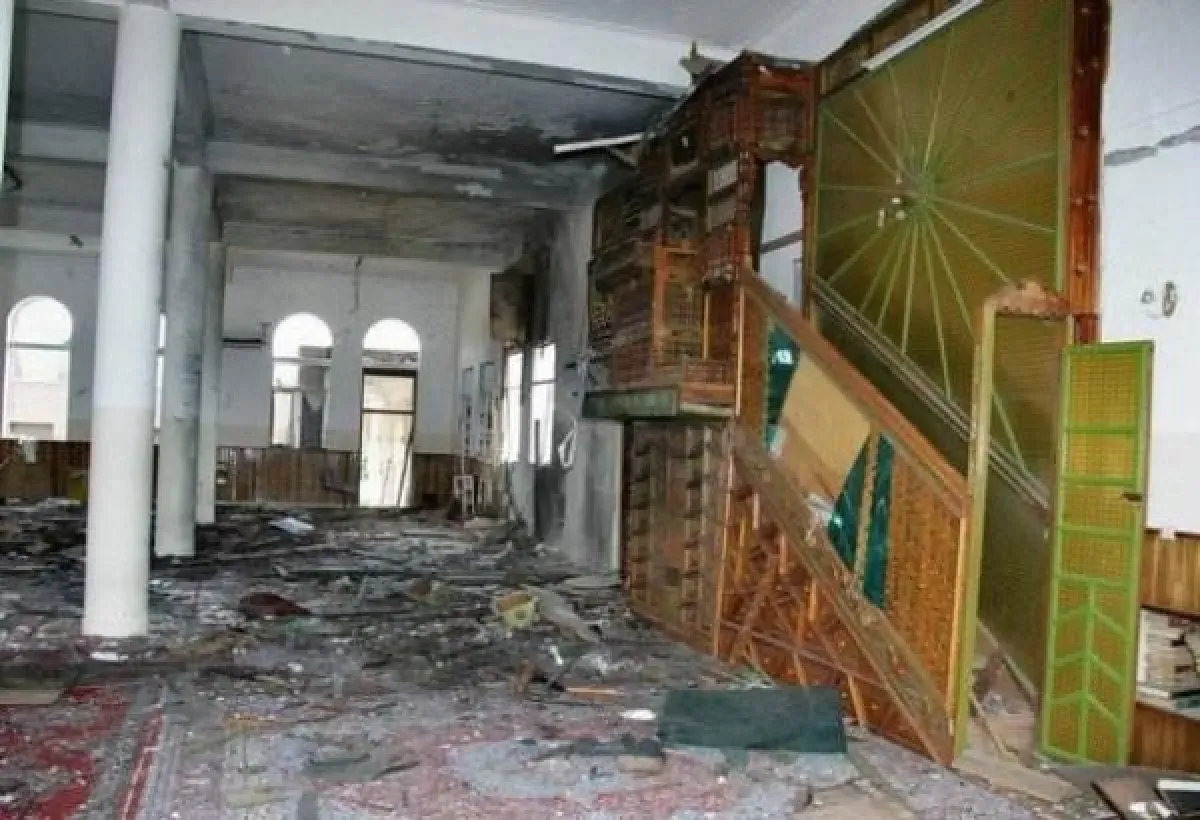
The anniversary of the Presidential Mosque bombing in Yemen serves as a stark reminder of a pivotal event that fundamentally altered the nation's conflict trajectory, escalating political disputes into widespread violence and transgression of national and ethical boundaries. The repercussions of this attack continue to resonate in Yemen today. On June 3, 2011, the mosque within the Presidential Palace compound was targeted during evening prayers. The explosion injured then-President Ali Abdullah Saleh and several high-ranking government officials. The attack was widely perceived not merely as an assault on individuals or a sovereign site, but as a direct strike against the core of the Yemeni state and the principle of peaceful power transition. Observers contend that this incident signaled an explicit embrace of violence as a means to attain power. The consequences extended far beyond the moment of the bombing, plunging the country into a series of political crises, exacerbating social divisions, eroding public trust in the state, and leading to a broad institutional collapse that facilitated regional and international interventions, thereby weakening independent national decision-making. Subsequent years have demonstrated that violence has failed to yield a stable government or a viable state. Instead, it has entrenched Yemen in a cycle of reciprocal conflicts, prioritized the logic of force over partnership, and marginalized dialogue. Yemenis have paid a heavy price in terms of bloodshed, division, poverty, and the fragmentation of their social fabric. The gravity of the bombing lay not only in its destructive force or its occurrence in a sacred time and place but, crucially, in its undermining of an nascent democratic process that Yemenis had chosen, despite its challenges, through the ballot box and popular will. This experience, according to international organizations, had witnessed significant electoral milestones within a turbulent regional context. Despite widespread condemnations from political factions, civil society organizations, and international human rights bodies, along with a UN Security Council resolution classifying the bombing as an act of terrorism, the failures in achieving justice and accountability during the transitional period contributed to a culture of impunity. This, in turn, created an environment conducive to the recurrence of violations and crimes. Analysts suggest that commemorating this anniversary should not serve as an occasion to reignite old enmities or fuel hatred. Rather, it should be an opportunity to re-evaluate the choice of violence, reject terrorism, and reaffirm that dialogue, however complex or protracted it may seem, remains the least costly and most viable path toward building a state founded on equal citizenship and the rule of law. The memory of the Presidential Mosque bombing stands as a testament to a critical juncture where Yemen lost an entire nation as the door to politics was closed and the door to violence was opened. This serves as a profound lesson that nations are not built through destruction or exclusion, but through consensus, the acceptance of others, and adherence to the popular will within the framework of a state that embraces all its citizens. |