


Yemen: Houthi-Brotherhood Alliance Accused of Undermining State
|
22 hours ago
A-
A+
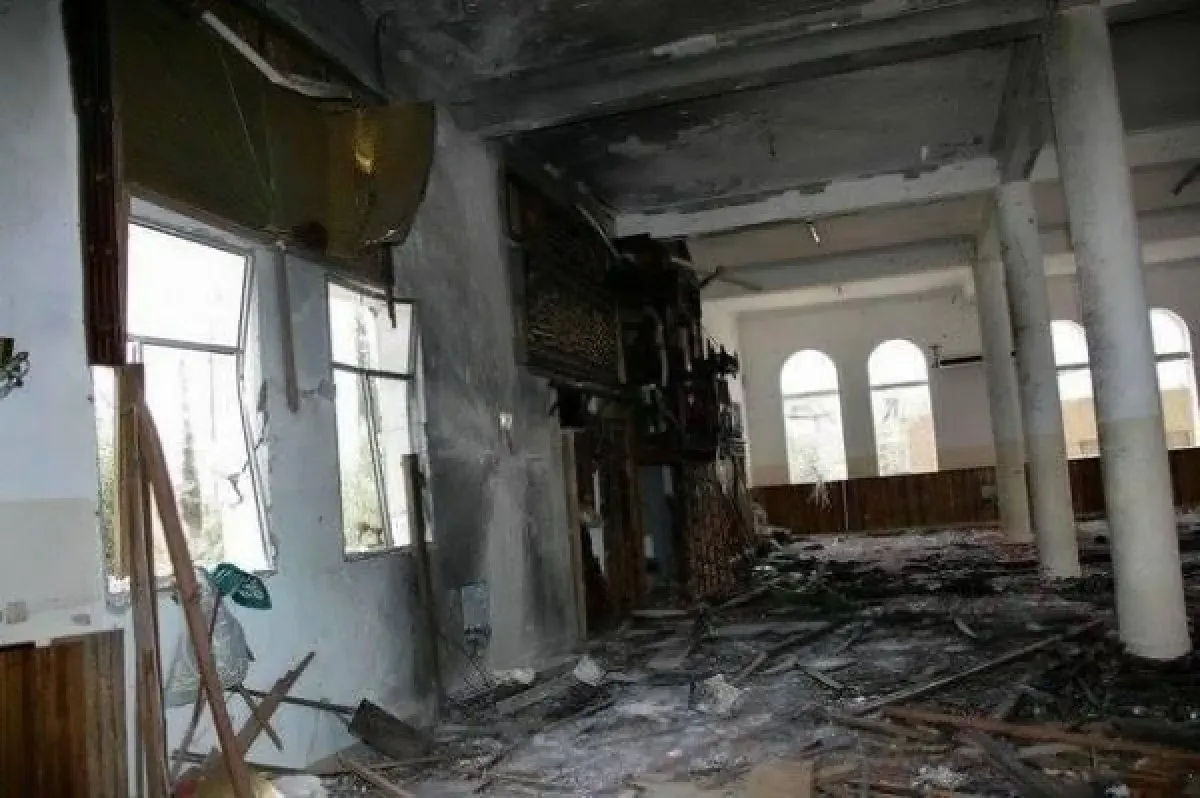
Nearly 16 years after the bombing of the Presidential Palace mosque, evidence suggests a strategic alliance between the Houthi militia and the Muslim Brotherhood, represented by the Islah party, aimed at dismantling the Yemeni state. The June 3, 2011 incident is now viewed not as a random act during the Arab Spring, but as a calculated strike against the modern Yemeni state established by President Ali Abdullah Saleh. As years have passed, a disturbing truth has emerged: a suspicious prisoner exchange deal between the Houthi militia and the Islah party. This transaction, conducted over the remains of state leaders and loyal officials, demonstrated how ideological differences between these extremist factions dissolve when a shared interest in destroying state institutions and erasing the legacy of the republic emerges. The article invokes a period of stability and progress under the leadership of the late President Ali Abdullah Saleh, characterizing it as a golden age of security, stability, and comprehensive development. During his tenure, Yemen reportedly built strong constitutional institutions, achieved national unity, enforced the rule of law, and maintained political and tribal balances that secured its regional and international standing. The nation was described as experiencing developmental progress, promising infrastructure, a stable economy, and a national army loyal to God and the nation, rather than narrow sectarian or party affiliations. This strong and cohesive state was seen as a bulwark against the ambitions of the Houthi imamate and the separatist agendas of the Brotherhood. Consequently, Saleh's government became a primary target for extremist forces who allegedly colluded to destabilize the country and plunge it into civil conflict. The bombing of the Presidential Palace mosque on June 3, 2011, during Friday prayers, is described as a treacherous act, executed with sophisticated explosive devices planted with internal complicity and high-level coordination involving military, tribal, and religious leaders affiliated with the Brotherhood. The attack resulted in the deaths of 13 prominent figures, including former Prime Minister Abdulaziz Abdulghani, and severely injured President Saleh and other senior officials. The article contends that the Presidential Palace bombing weakened the state's security and military institutions, paving the way for the fall of Sana'a in September 2014. This event purportedly revealed the extent of the Houthi-Brotherhood collaboration, with Islah's military factions allegedly abandoning the capital and handing over military camps and weapons to the Houthis in a deal allegedly brokered by the UN envoy at the time, aiming to jointly eliminate state authority, its institutions, and the General People's Congress party, particularly its leader, Saleh. The Brotherhood, it is suggested, expected to share power in a new Yemen built on the ruins of the republic, thereby conspiring to dismantle the national army and legitimize the Houthi expansion under the guise of dialogue outcomes and combating the republican system. The alleged secret collaboration culminated in a public prisoner exchange in mid-October 2019. The Houthi militia in Sana'a released five key suspects detained in the Presidential Palace mosque bombing case, who were reportedly implicated in the 2011 attack. This exchange was reportedly made in return for the Islah party releasing captured Houthi fighters taken in the Marib and Jawf fronts. This action is presented as a formal abandonment of the judicial process, allowing criminals to escape punishment and treating those accused of terrorism as prisoners of war. This, the article argues, proves that both groups consider the bombing a joint operation serving their mutual interests, and that the bloodshed was merely a bargaining chip for rapprochement between the Brotherhood and the Houthis. The article concludes by stating that after nearly 16 years, Yemenis clearly see their country transformed from a stable state under Saleh into fragmented cantons controlled by sectarian and extremist militias. The prisoner exchange and the ongoing Houthi-Brotherhood collaboration are presented as irrefutable evidence that these two entities are two sides of the same coin, targeting Yemeni identity and the republican system. The piece calls for a unified national project inspired by Saleh's era of building, development, and stability, rejecting extremist sectarian and party militias, and working to expose and confront them to restore the state and its judicial institutions, and to ensure justice for all those who conspired, shed the blood of Yemen's leaders, and sold the nation's resources in suspicious political bargains. |