


Iran's Regional Network Weakens Amidst Growing Internal Focus of Allies
|
19 hours ago
A-
A+
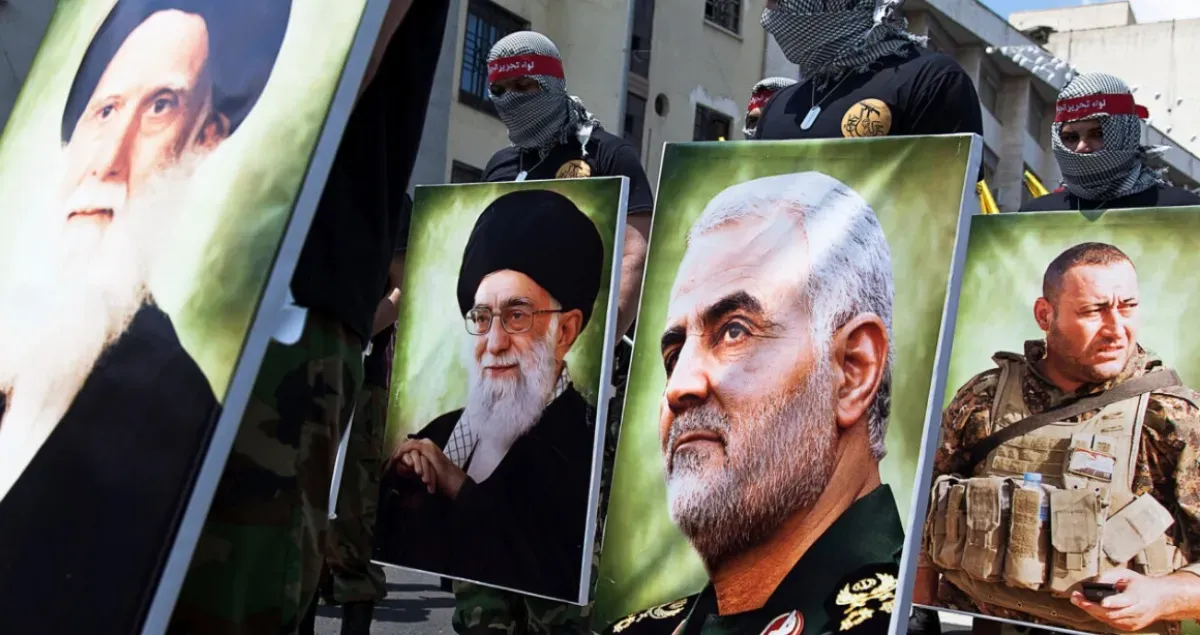
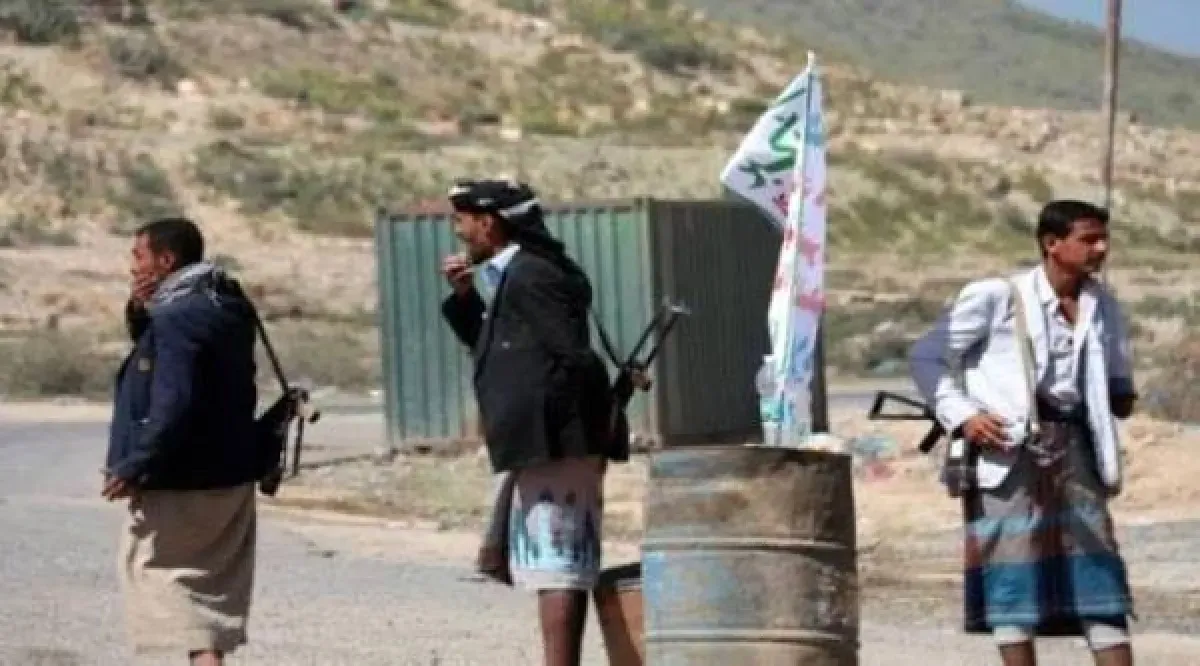
Recent conflicts have significantly weakened Iran's extensive regional network, built over decades through its allies in Lebanon, Gaza, Iraq, and Yemen, raising serious questions about the cohesion and future viability of the so-called "Axis of Resistance." While no component of this axis has collapsed entirely, recent developments have exposed the profound challenges confronting these groups, including the loss of key leaders, diminished military capabilities, and mounting political and economic pressures that are forcing them to prioritize local survival over a unified regional agenda. An analysis published by The National Interest, authored by international relations researcher Muhammad Ayub, suggests that the recent conflicts have dealt a severe blow to the infrastructure Iran relied upon to project its influence beyond its borders. These strikes targeted Iranian leadership, command and control systems, and the supply chains connecting Tehran with its proxies. The report posits that the axis, long presented as a united front against the United States and Israel, is now grappling with escalating cohesion issues. This is characterized by increased member autonomy and a decline in Iran's capacity to manage their actions and coordinate operations. Hezbollah, historically Iran's most formidable external arm, has reportedly sustained significant losses in recent years, including prominent field and military commanders, alongside a reduction in its political influence and rising domestic criticism of its role in Lebanon. While still possessing considerable military capabilities, its primary focus appears to have shifted to preserving its presence within Lebanon rather than pursuing a broad regional role. In Gaza, Hamas has emerged from recent conflicts facing unprecedented challenges, with its military and organizational infrastructure suffering extensive damage. Although the movement persists, its capacities for governance and military operations have been severely impacted, with its priorities now centered on internal reorganization and ensuring its survival in the Strip. The report notes that the relationship between Hamas and Iran has been driven more by shared interests than complete subservience, making the group less integrated into any unified Iranian strategy, particularly given its preoccupation with reconstruction and regional relationship management. In Iraq, Iran-backed militant factions are experiencing increasing pressure due to internal divisions, popular discontent, and political challenges. The report suggests that granting these groups greater autonomy reflects Tehran's waning ability to impose effective central leadership, potentially transforming them into competing local forces rather than components of a singular regional project. This trend, the analysis argues, diminishes Iran's capacity to leverage these factions within a unified strategy, even if some retain limited offensive capabilities. In Yemen, the Houthi militia exemplifies the growing prioritization of local considerations over regional coordination. According to the report, the militia displayed notable caution during the 2026 conflict, avoiding full engagement despite possessing significant offensive capabilities. This behavior underscores the militia's awareness of the risks associated with expanding the conflict, alongside an increasing focus on consolidating its authority and managing economic and political challenges within its controlled territories. The report concludes that Iran's ability to rebuild its military institutions and logistical networks will largely determine the future of its regional allies. However, current indicators suggest that the network forged over decades no longer possesses the cohesion or effectiveness it once did, trending towards a collection of relatively independent actors primarily concerned with their local crises and survival needs, thereby diminishing Iran's ability to employ them as effective tools in reshaping Middle Eastern power dynamics. |