


Yemen Mosque Bombing: 15 Years On, A Defining Moment in Conflict
|
8 hours ago
A-
A+
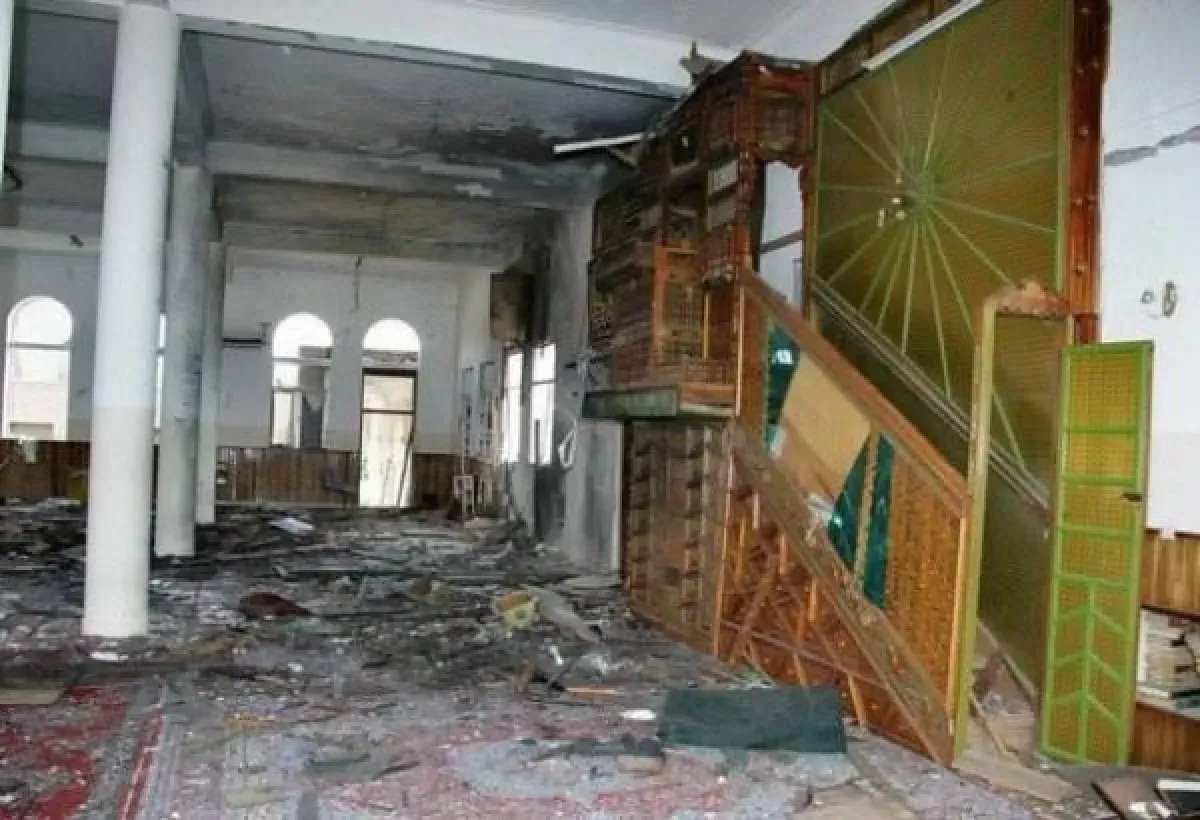
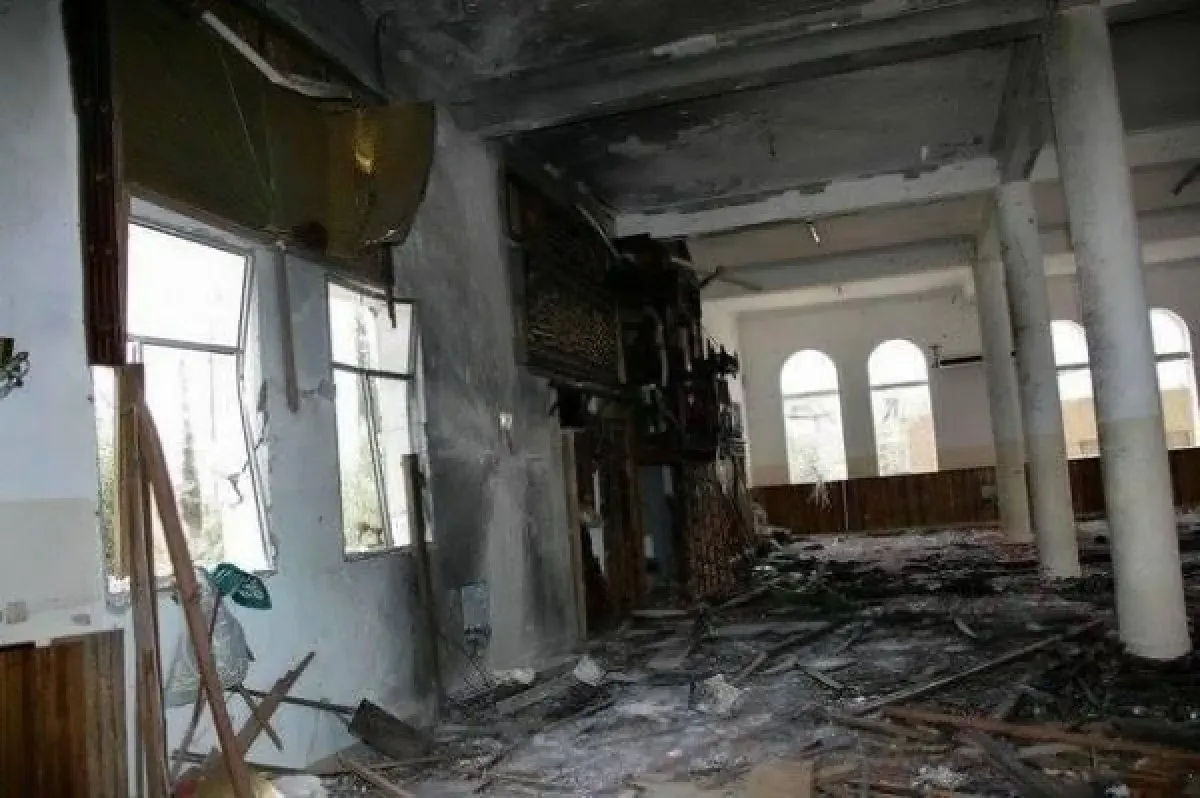
Fifteen years ago, on June 3, 2011, Yemen experienced one of the most significant terrorist attacks in its modern history when the Presidential Mosque was targeted by a powerful explosion during Friday prayers. This incident, occurring on the first Friday of the holy month of Rajab, profoundly shook the nation and left enduring scars. The attack took place while President Ali Abdullah Saleh was praying alongside senior political, military, and civil leaders. It represented a grave violation of religious sanctity and the sacredness of time and place, fundamentally altering the nature of the conflict from a political dispute to overt violence aimed at the head of state and governmental institutions. The bombing resulted in the martyrdom of several officials and worshippers, including the Chairman of the Shura Council, and injured dozens, including the President, the Prime Ministers, the Speaker of Parliament, and numerous military and civilian leaders. This moment was described as a direct attempt to decapitate the state and usher in widespread chaos. Following the explosion, the Yemeni arena witnessed an escalation of inflammatory rhetoric from forces of chaos and rebellion. Observers considered the event not merely an isolated terrorist act but part of a systematic effort to undermine state institutions and push the country into an uncertain future. As the nation stood on the brink of a wider conflict, the state exercised restraint to avoid descending into a full-scale internal struggle. The incident was addressed through legal channels in an effort to contain the repercussions and prevent Yemen from spiraling into open civil war. Despite widespread condemnations from the UN Security Council and international human rights organizations, the prosecution of those responsible faltered. This was attributed to apparent delays by the post-2011 authorities and judicial procrastination, coupled with the escape of several defendants. Experts view this as a significant factor that contributed to the entrenchment of a culture of impunity. Fifteen years later, observers believe the Presidential Mosque bombing was a pivotal turning point that paved the way for the normalization of violence as a tool in political conflict. It propelled the country from a manageable political crisis into a prolonged period of chaos, where arms replaced dialogue and force superseded consensus. This crime remains a stark reminder of a moment when the barrier against targeting the state and its sacred sites was broken. There are renewed calls to seriously reopen the case, ensure justice, and hold all those involved accountable, recognizing this as a fundamental prerequisite for any genuine path toward redress or reconciliation in Yemen. |