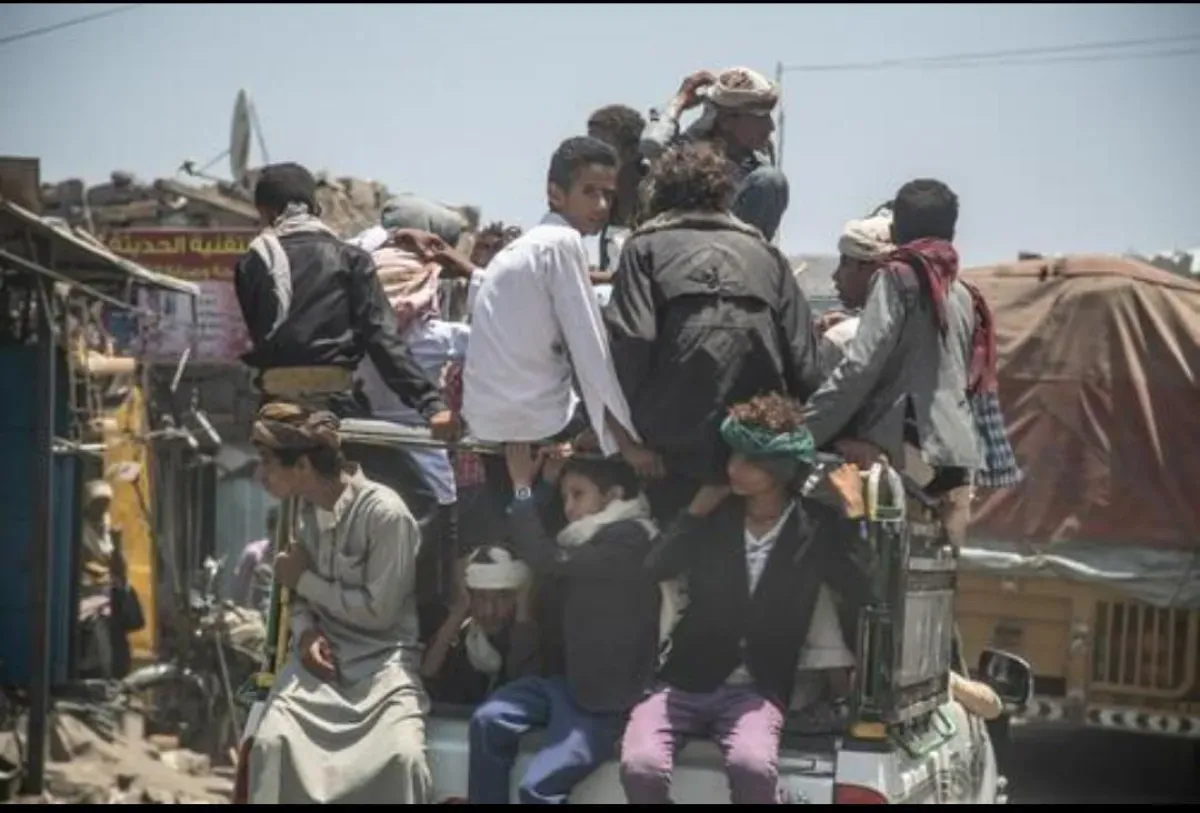



UN Report: 5.2 Million Yemeni Internally Displaced Face Severe Food Insecurity
|
5 hours ago
A-
A+
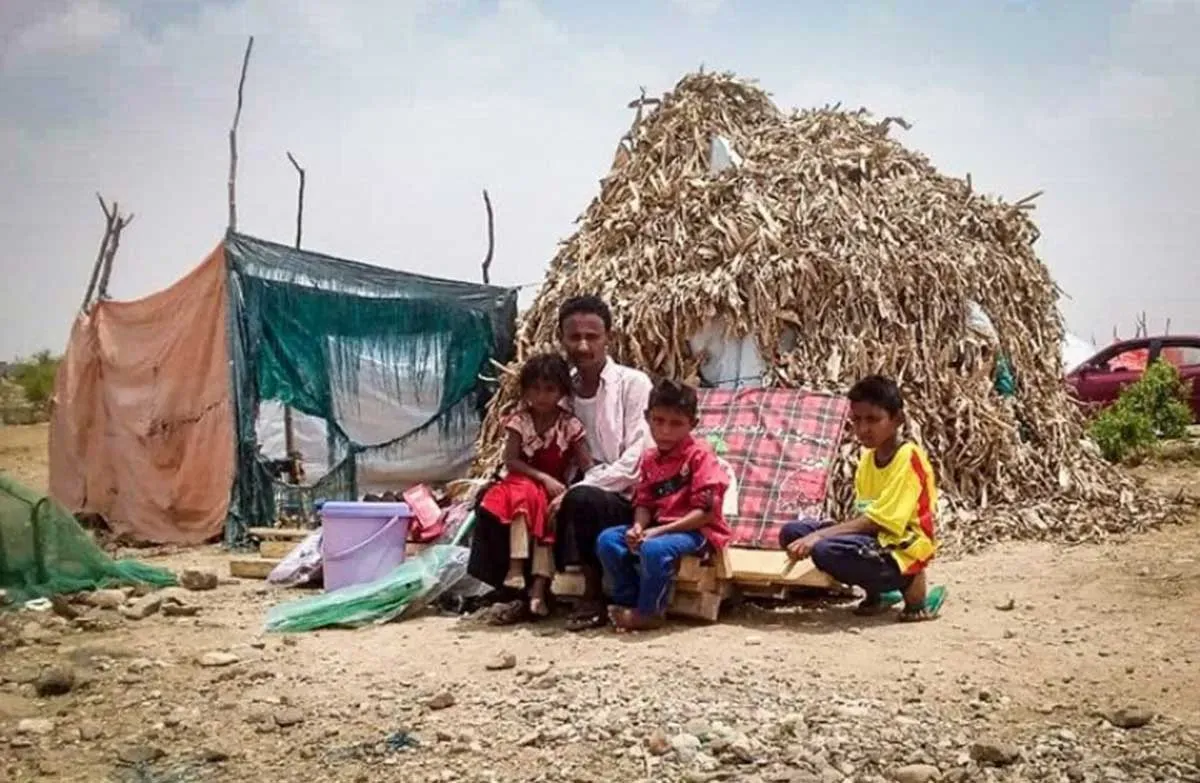
A recent United Nations report indicates that approximately 5.2 million internally displaced persons (IDPs) in Yemen are among the most severely affected by the nation's food insecurity crisis. The World Food Programme (WFP), in its latest assessment of food security in Yemen, stated that the country continues to host the fifth largest internal displacement crisis globally, exacerbated by ongoing conflict and deteriorating economic and humanitarian conditions. The report revealed that remote monitoring data showed a marginal improvement in food security among surveyed IDPs during March 2026, partly attributed to the influence of Ramadan. However, food consumption gaps remain significantly wider for displaced populations compared to the general population, particularly for those residing in displacement camps. Approximately 39% of IDPs experienced moderate to severe hunger in March, double the rate observed among non-displaced individuals (19%). Hunger prevalence was higher among IDPs in Houthi-controlled areas at 41%, compared to 35% in areas under the internationally recognized government. The severity of the crisis was most acute for IDPs living in camps, where 50% suffered from hunger, versus 34% among those living within host communities. Furthermore, 17% of IDPs reported that at least one family member went a full day and night without food, compared to only 7% of the general population, with this figure rising to 23% in camps. The report highlighted that 54% of IDPs resorted to severe food-coping strategies in March to meet their needs, an increase of 12 percentage points since the beginning of the year, compared to 34% among the general population. Additionally, 73% of IDPs relied on crisis or emergency livelihood coping strategies, compared to 60% of the general population, with the highest rates recorded in camps. The WFP underscored the deteriorating living conditions of IDPs, noting that nearly a third reside in informal displacement sites as a last resort. A staggering 92% of IDPs cannot afford rent and face eviction risks, signaling a potential escalation of the humanitarian crisis in the country. |