


US 2026 Strategy Links Muslim Brotherhood to Extremism, Threatens Houthis
|
1 month ago
A-
A+
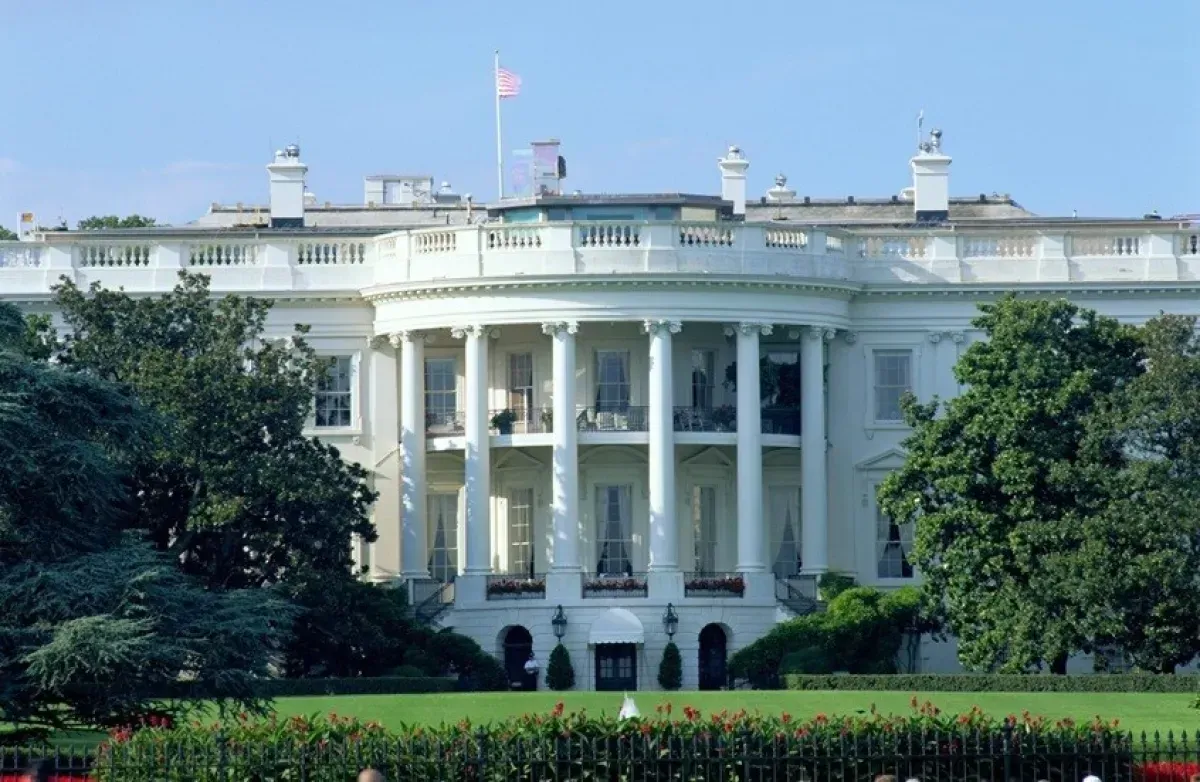
The United States has unveiled its 2026 counter-terrorism strategy, explicitly identifying the Muslim Brotherhood as a foundational source of modern extremist groups and signaling a robust military stance against Houthi threats in strategic waterways. The White House announced the new strategy, which marks an unprecedented position on the Muslim Brotherhood, with the US administration deeming it a primary ideological and organizational root for contemporary militant organizations. According to a White House statement, US President Donald Trump stated that "all modern militant organizations, from Al-Qaeda to ISIS to Hamas, trace their roots back to one entity, the Muslim Brotherhood," indicating a US intention to broaden its confrontation with networks associated with the organization. The document affirmed that Washington will continue to designate Muslim Brotherhood branches in the Middle East and beyond as foreign terrorist organizations, aiming to "crush them wherever they operate." This designation will be utilized to pursue financing and recruitment networks and prevent any activities targeting US interests. The strategy also noted that US forces have "neutralized hundreds of militants" in various regions globally, with a particular focus on the five most dangerous groups capable of conducting external operations against the United States and its allies. Regarding Europe, the administration acknowledged that the continent has become a fertile ground for terrorist threats, asserting that groups such as Al-Qaeda and ISIS have exploited weak border controls to transform Europe into a platform for planning against Europeans and Americans. In Africa, the strategy warned of the rebuilding of militant group capabilities in the Sahel region, Chad, Mozambique, Sudan, and Somalia, highlighting the activity of Al-Shabaab and ISIS in these areas. Washington emphasized its objective on the continent is to prevent the establishment of bases that threaten US interests, in addition to protecting Christians, who it stated have faced increasing attacks. This will involve a "light military footprint" and placing greater responsibility on regional allies for counter-terrorism efforts. Concerning Iran, the strategy described it as the "greatest threat" in the region, citing its nuclear and missile programs and its support for allied groups like Hezbollah. The document further stressed that the United States will not permit threats to strategic maritime corridors, including the Strait of Hormuz and the Red Sea, affirming its readiness to take military action against the Houthi group should American vessels be endangered. |