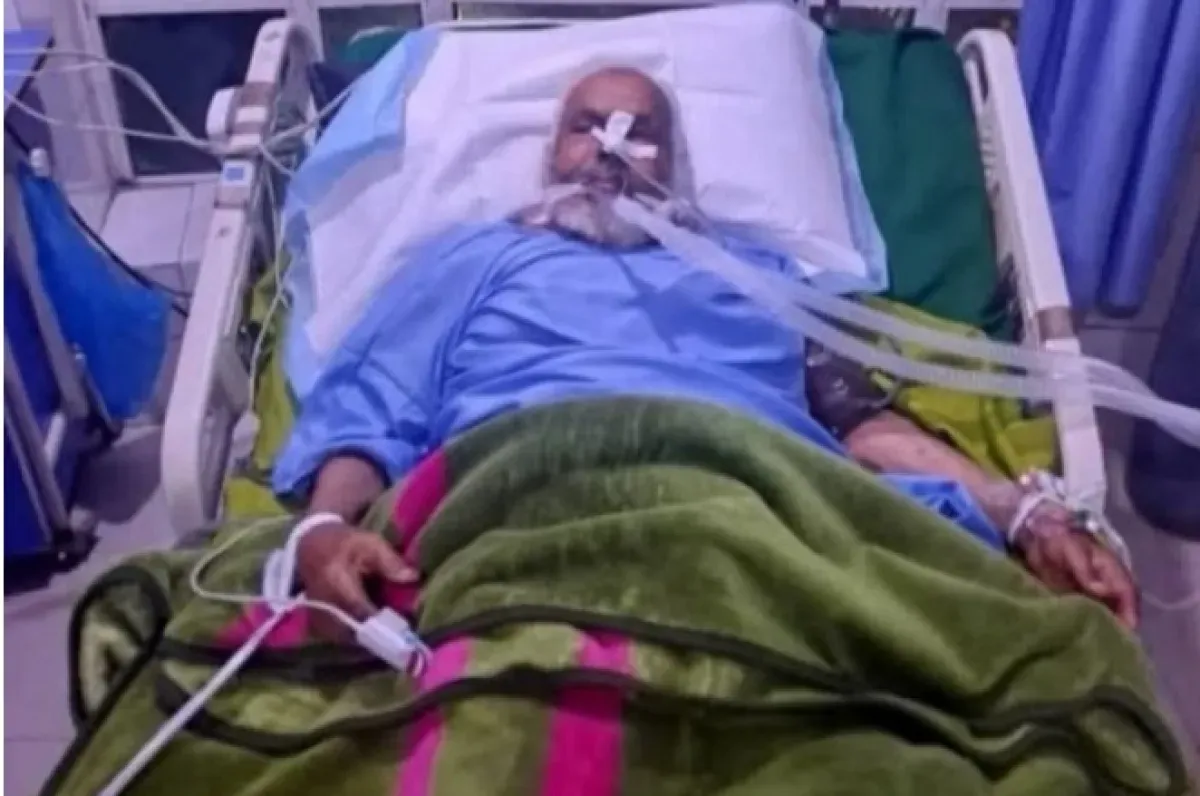



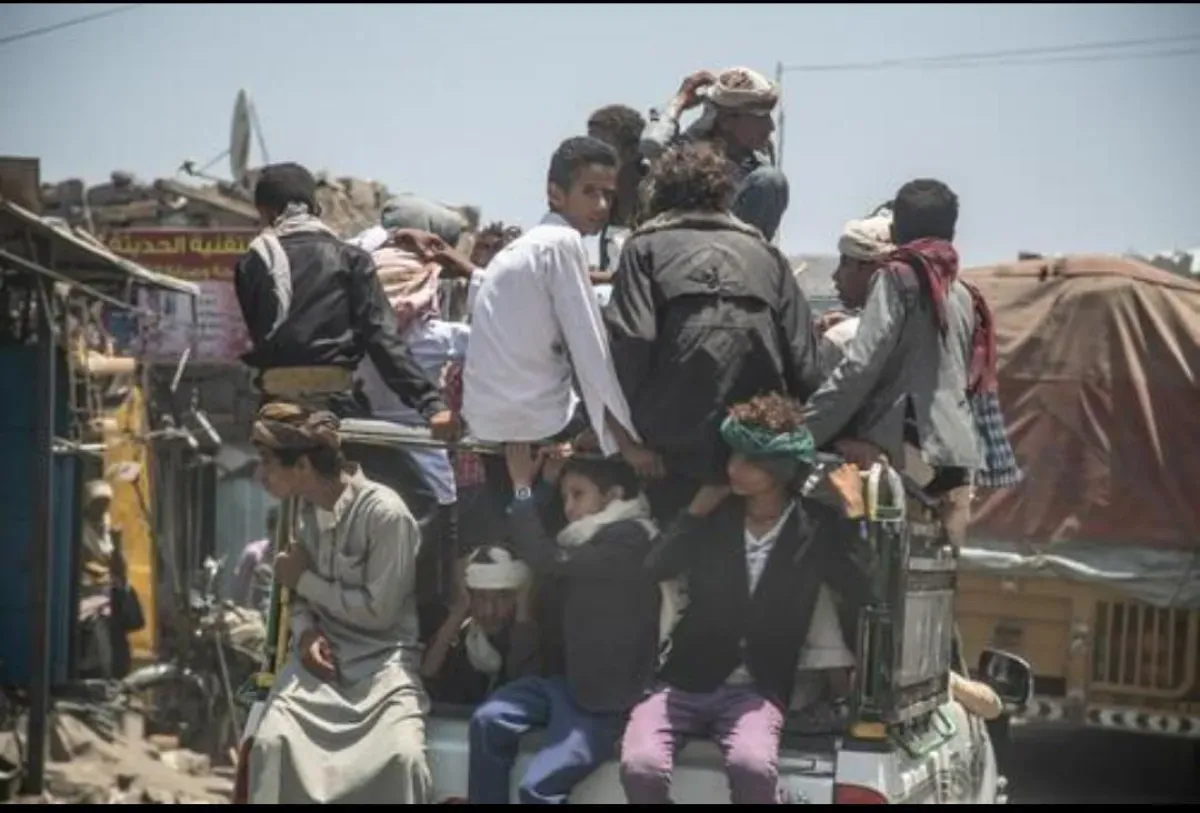
For over a decade, Yemenis have endured one of the world's most complex humanitarian crises, with protracted warfare transforming daily life for millions, reshaping cities and villages, and casting a long shadow over every aspect of existence. The conflict has evolved beyond intermittent military engagements into a pervasive condition governing the economy, education, health, social relations, and even the simple dreams of the populace. In crowded streets filled with weary faces and in remote villages ravaged by poverty and isolation, the same narrative unfolds in different forms: families have lost their livelihoods, youth see their aspirations curtailed by unemployment and displacement, children grow up knowing only the sounds of explosions and crises, and women bear the heavy burden of life amidst an unprecedented economic collapse. Despite periods of reduced military intensity, the war remains a potent force in daily life through economic deterioration, soaring prices, unpaid salaries, declining essential services, and the widening specter of poverty and hunger, leaving millions in a state of prolonged anticipation for a seemingly unattainable normalcy. One of the war's harshest consequences is the economic devastation directly impacting Yemenis' lives. The local currency has lost significant value, the prices of essential goods have rapidly escalated, and job opportunities have plummeted to unprecedented lows. In Yemeni markets, citizens prioritize affordability over quality, as the purchasing power of most households has become virtually non-existent. Many civil servants, whose salaries are either absent or eroded in value, struggle to provide the minimum necessities for their families. Thousands of families have been forced to reduce meal portions or forgo essential needs simply to survive. Daily realities indicate that the economic crisis is not solely linked to direct warfare but is a result of complex accumulations, including financial and administrative division, declining revenues, halted production, a lack of stability, and the proliferation of a war economy based on illicit taxation, black markets, and speculation. Within this context, a new class has emerged, profiting from the ongoing crisis and accumulating wealth and influence, while poverty expands among the majority of the population, deepening social disparities in a country already economically fragile before the war's onset. The war has not only stolen Yemenis' present but has also jeopardized the future of entire generations. Millions of children born during the war years have grown up in a volatile environment lacking stability, essential services, quality education, and adequate healthcare. In many areas, schools have become dilapidated structures with minimal resources, while others have been destroyed or repurposed due to wartime conditions. Between displacement, poverty, and educational disruption, thousands of children find themselves outside school walls, facing an uncertain fate in a hazardous environment. The harsh economic conditions have also compelled many families to send their children to work at a young age, while others have been drawn directly or indirectly into conflict zones, representing one of the war's most dangerous outcomes for the social fabric and the nation's future. The impact extends beyond education to the psychological realm, as children live in an environment saturated with fear, anxiety, and violence, leaving long-term scars on their psychological and social development. Yemen's war generation is growing up with memories burdened by crises and setbacks, while prospects for recovery appear slow and complex. The Yemeni health sector has been unable to withstand the burdens of such a protracted war. In recent years, it has suffered extensive depletion due to limited resources, underfunding, the emigration of medical professionals, and damage to health infrastructure. In many regions, patients face significant difficulties accessing basic medical care, while hospitals grapple with shortages of medicines, supplies, and equipment, along with frequent power and fuel outages. The outbreak of diseases and epidemics during various periods has starkly revealed the fragility of the health system. Yemeni families find themselves compelled to bear exorbitant treatment costs relative to their limited means, forcing many to postpone or forgo medical care altogether. In rural and remote areas, reaching the nearest health center becomes an additional ordeal, often taking hours due to dilapidated roads and expensive transportation. As the war persists, preventive health programs have diminished, and malnutrition rates, particularly among children and women, have increased, signaling a severe humanitarian decline. The conflict has forced millions of Yemenis to flee their homes, seeking safety in other regions, leading to one of the largest waves of internal displacement in the region. Many families have lost their homes, property, and livelihoods, moving to live in camps or temporary shelters lacking basic services. Over the years, the suffering of displacement has transformed from an emergency situation into a permanent reality for thousands of families unable to return to their original areas due to ongoing tensions or the absence of basic living conditions. This widespread displacement has not only impacted the humanitarian situation but has also reshaped the social and economic landscape in many areas, increasing pressure on host cities and creating new challenges related to housing, employment, services, and education. The war has also fostered deep social divisions within Yemeni society, affecting traditional bonds that once served as an important cohesive element in Yemenis' lives, while the state's and its institutions' capacity to manage these complex challenges diminishes. Yemeni women have faced escalating burdens during the war years, with many compelled to assume doubled economic and social responsibilities due to the loss of breadwinners, displacement, or deteriorating living conditions. In cities and villages, numerous women engage in menial or arduous labor to secure their families' needs, while others confront severe challenges related to poverty, deprivation, and inadequate health and educational services. The war has also contributed to the rise of negative social phenomena, such as child marriage and school dropout rates, stemming from the aggravated economic pressures experienced by Yemeni families. Despite these challenges, many women have emerged as significant figures in humanitarian, community, and media work, striving to maintain a minimum level of social cohesion amidst complex, exceptional circumstances. Despite all international initiatives, mediations, and efforts, peace in Yemen remains fragile and distant from becoming a lasting reality. Yemenis, exhausted by war, follow any talk of political settlement with a mixture of hope and caution, as years of conflict have devolved into a long series of unfulfilled promises. With the stalemate in political solutions, the ordinary citizen continues to pay the highest price, as opportunities for a normal life erode daily. The war is no longer confined to front lines but is embedded in daily life: in prices, in service disruptions, in fear of the future, and in a pervasive sense of uncertainty. Many Yemenis feel their lives have entered a state of temporary suspension, with projects, dreams, and plans halted at the threshold of the unknown, awaiting the end of a protracted war that has exhausted people and structures alike. Despite all the devastation, Yemenis continue to cling to life as best they can. In markets, schools, farms, and old alleyways, people persist in their attempts to carve out a semblance of life amidst the ruins. However, this prolonged resilience conceals immense psychological, social, and economic exhaustion. For many Yemenis, the question is no longer about improving their situation but simply about survival and continuity. As the war and its regional and international complexities persist, Yemen remains suspended between conflicting paths, while millions of Yemenis live on the margins of a war that has stolen years of their lives, postponed their dreams, and pushed them into a daily confrontation with poverty, fear, and uncertainty. In a country ravaged by conflict and division, the need for peace is more urgent than ever, not only to end the war militarily but to rebuild the Yemeni people and restore the meaning of normal life lost by millions during years of suffering. |