



Strait Shutdown Threatens Iran's Oil Reserves with Irreversible Damage
|
1 month ago
A-
A+
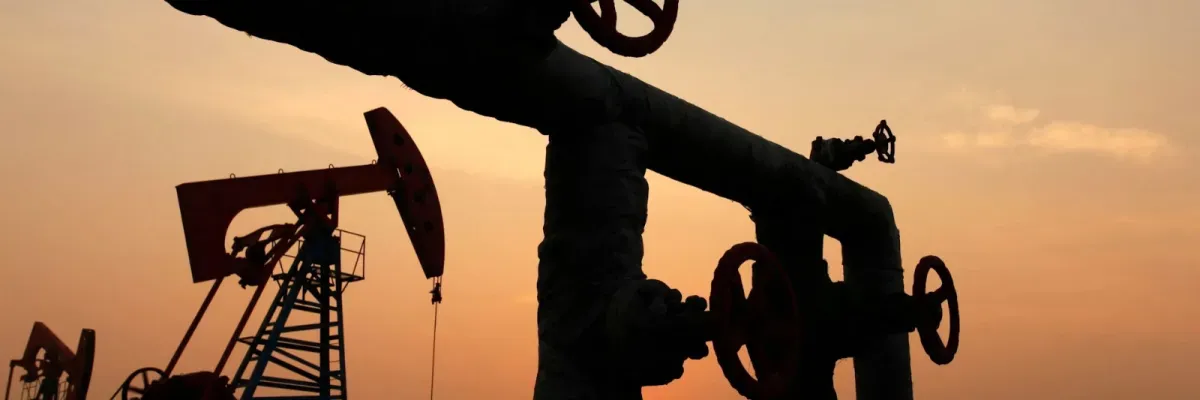
The effective closure of the Strait of Hormuz, a critical global oil transit route, is raising concerns that the repercussions could extend beyond market volatility and price hikes to inflict lasting damage on the geological integrity of Iran's oil fields, a development experts warn could have consequences lasting years. The Strait of Hormuz typically handles between 20% and 25% of the world's seaborne oil supply. However, escalating regional tensions in recent weeks have led to unprecedented restrictions on maritime traffic. According to The Conversation, Iran has imposed limitations on passage through the strait, while the United States has intensified its naval measures against Iranian shipping, significantly curtailing Tehran's crude oil export capabilities. On May 3rd, U.S. President Donald Trump announced the launch of a maritime security initiative involving U.S. warships escorting oil tankers belonging to nations not involved in the conflict as they transit the strait. Subsequent reports, however, indicated that several vessels were fired upon while attempting to pass, effectively keeping the waterway largely closed. While the immediate consequences have included the detention of oil tankers and sharp price increases, analysts warn that Iran's oil storage facilities are rapidly approaching maximum capacity, potentially forcing producers to shut down some wells entirely within weeks. The greater danger, the report suggests, lies in the unseen damage that may be inflicted upon underground oil reservoirs due to sudden and prolonged production stoppages. The report emphasizes that oil wells are not facilities that can be easily turned on and off. The flow of oil depends on a delicate balance of pressure, temperature, and the distribution of liquids and gases within the oil-bearing rocks. Contrary to the common perception of oil fields as vast underground lakes, oil exists within extremely fine pores in the rock, stabilized by a complex equilibrium of oil, gas, and water. When production halts abruptly, this balance begins to destabilize. Changes in reservoir pressure can lead to an irregular redistribution of fluids, particularly in fields that rely on water or gas injection to maintain crude flow. The report cautions that the cessation of injection operations may cause injected fluids to follow different pathways upon production resumption, diminishing the fields' capacity to push oil towards the wells and affecting future extraction efficiency. Furthermore, crude oil contains heavy compounds such as waxes and asphaltenes. These components can precipitate within the fine pores or inside the well itself when pressure or temperature changes, leading to blockages that may be difficult to remediate even with costly techniques. Natural water within reservoirs can pose an additional challenge; with production halted, water can seep into oil-rich areas. Upon restarting wells, the proportion of produced water may increase significantly while oil quantities decrease, raising treatment costs and reducing the economic viability of production. The risks are not solely chemical. Prolonged shutdowns also present mechanical threats to wells, including corrosion, mineral deposit buildup, and weakening of the internal well structure, potentially requiring complex and expensive maintenance to return them to service. Some oil reservoirs are highly sensitive to pressure fluctuations; a sharp or irregular drop in pressure can compress the oil-bearing rocks, permanently reducing their capacity to store and transport fluids. Associated gas also complicates the situation. In many fields, gas is dissolved within the oil under high pressure. A decrease in pressure can cause this gas to liberate as bubbles, hindering oil movement within the reservoir and leaving portions of the oil trapped underground. This explains why oil companies typically avoid shutting down production except in dire emergencies, as losses are not limited to interrupted revenue but include the potential permanent loss of a portion of the field's production capacity. While some large conventional fields may recover production relatively quickly after interruptions, experts stress that the hidden damage can persist through increased operating costs, reduced extraction efficiency, or economically unrecoverable oil reserves. The report also warns of potential environmental consequences, as pressure disturbances within reservoirs could increase methane gas leakage, while restart operations often involve flaring additional gas, increasing emissions. Modern technologies can mitigate some of these risks through pressure management, chemical treatments, and maintaining minimal operational levels. However, implementing these measures requires time, resources, and coordination that may not be available during sudden geopolitical crises. The report concludes that the oil industry relies on continuous interaction with an extremely complex geological system, and widespread, sudden production stoppages could leave lasting impacts within the fields long after pumping resumes and maritime routes reopen. |