


Houthi 'Eid Caravan' Campaign Exposes Systematic Exploitation of Yemenis
|
5 months ago
A-
A+
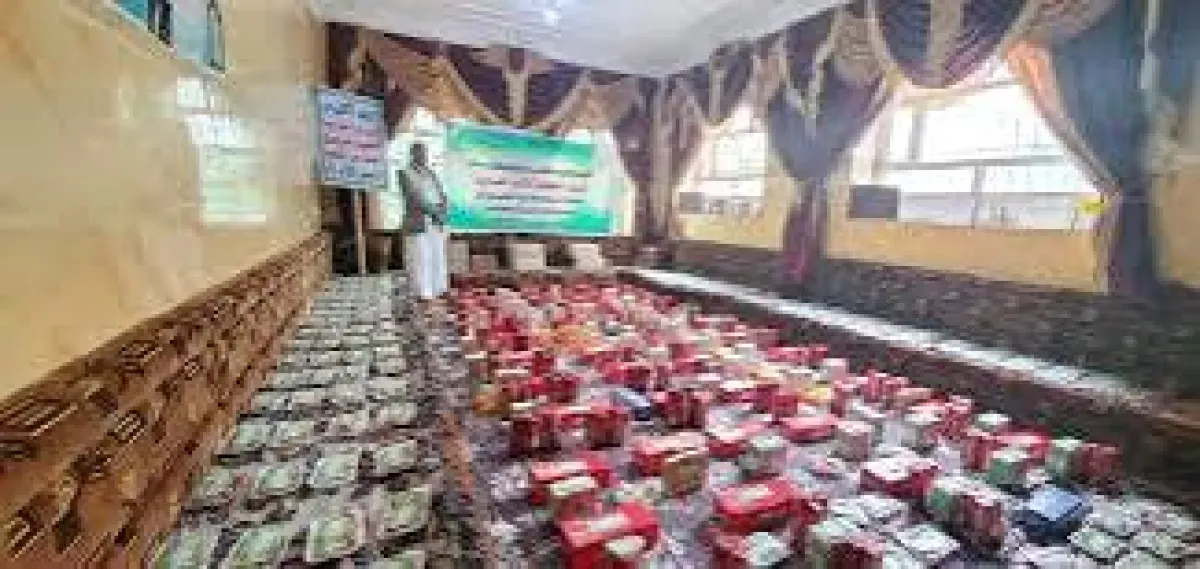
As religious and social occasions approach, Yemenis in Houthi-controlled territories face renewed hardship, this time under the guise of an Eid al-Adha initiative dubbed "Al-Qafilah Al-Eidiyah" (The Eid Caravan). Despite its festive name, the campaign constitutes a widespread, mandatory collection of funds and goods targeting all segments of society. Sources from various Houthi-controlled governorates, including Sana'a, Rima, Dhamar, Ibb, and Al-Hudaydah, and corroborated by eyewitness accounts, reveal that this is not a voluntary initiative as the militia promotes it. Instead, it is an enforced system employing various pressure tactics, transforming the anticipated joy of Eid into a significant financial burden for citizens. Through this campaign, the Houthi militias aim to amass financial and in-kind resources to support their fighters. They utilize sectarian rhetoric, linking religious duty to their war efforts in an attempt to legitimize these collection drives within the community. However, citizens and merchants describe a different reality, where these appeals become unwritten orders that individuals feel compelled to obey to avoid potential repercussions. The militia relies on a complex local network to manage these campaigns, involving field supervisors and neighborhood leaders who act as intermediaries between the Houthi authorities and the populace. These individuals are tasked with distributing lists of required amounts or specifying in-kind contributions, which can include food items, clothing, and even livestock in rural areas. Social media, particularly WhatsApp groups, is employed to disseminate instructions and reminders, often couched in religious and motivational language that subtly enforces compliance. In cases of delay or refusal, a new phase of pressure begins, potentially involving direct visits or indirect threats of social or administrative penalties. This management style offers no genuine choice, fostering a coercive environment that compels compliance, even at the expense of basic needs. These collections arrive at a time when Yemenis are experiencing some of the worst living conditions in years, with a continuous erosion of purchasing power and rising rates of poverty and unemployment. The additional Houthi levies represent a severe blow to families struggling to secure their daily necessities. One resident of Sana'a reported that the amount demanded for the "Eid Caravan" equated to half his monthly income, forcing him to borrow money to avoid problems. This situation is not an isolated incident but a recurring pattern across different regions. Citizens are often presented with a difficult choice: pay despite financial distress or face the consequences of refusal. The burden extends beyond individuals to the commercial sector, where merchants are compelled to provide larger sums or specific goods, leading to price increases to offset losses, which ultimately affects the end consumer in a cycle of escalating inflation. Observers believe the intensification of these campaigns reflects a shift in the militia's funding strategy, increasingly relying on local resources due to dwindling revenues from other sources. This shift positions the community as the primary financier, without any legal or oversight framework governing the scale or allocation of these collections. Economic analysts note that this unsustainable funding model exacerbates the economic crisis by withdrawing liquidity from the market and reducing consumer capacity, negatively impacting overall economic activity and creating uncertainty for investors and merchants facing an unstable and risky business environment. The impact of these campaigns extends beyond the economic sphere to the social and psychological fabric of society. Many citizens feel under constant pressure, with every occasion becoming a source of anxiety rather than joy. The use of religious discourse to justify these levies creates internal conflict for individuals caught between their personal beliefs and the pressures of reality. This dissonance affects social relations, leading to increased resentment and enforced silence in the absence of any space for expressing dissent. "Al-Qafilah Al-Eidiyah" is merely one episode in a long series of Houthi campaigns that bear different names but share the same content and objective. From supporting the Prophet's birthday to funding front lines and food convoys, the names change, but the method remains consistent: coercively imposing financial levies and obligations on the community. This repetition reinforces the public's perception of a systematic policy aimed at continuously draining their resources, disregarding their circumstances or needs. It also raises questions about the future of these practices and their potential continuation amidst the rapid deterioration of economic conditions. These levies intersect with the complex humanitarian crisis gripping Yemen, where millions depend on aid for survival. Any further depletion of local resources exacerbates the precarious situation and undermines families' resilience. Redirecting resources from essential consumption to non-productive activities weakens prospects for economic recovery and widens the gap between needs and capabilities, threatening to expand the reach of poverty and push more families to the brink of collapse. In the absence of any indicators suggesting a decline in these campaigns, the Houthi "Eid Caravan" support drives appear to represent an evolving, increasingly stringent, and mandatory facet of the Houthi militia's collection policies, likely to recur in various forms. As these practices continue, the Yemeni citizen remains the weakest link, bearing the sole cost of a multidimensional conflict that exceeds their capacity to endure. This reality presents increasing challenges for society, demanding solutions that move beyond temporary measures toward a comprehensive approach that restores citizens' rights and puts an end to the exploitative policies threatening the remaining economic and social stability in the country. |