


Yemen's Al-Islah Party Faces Global Terror Accusations Amid Financial and Military Network Probe
|
6 hours ago
A-
A+
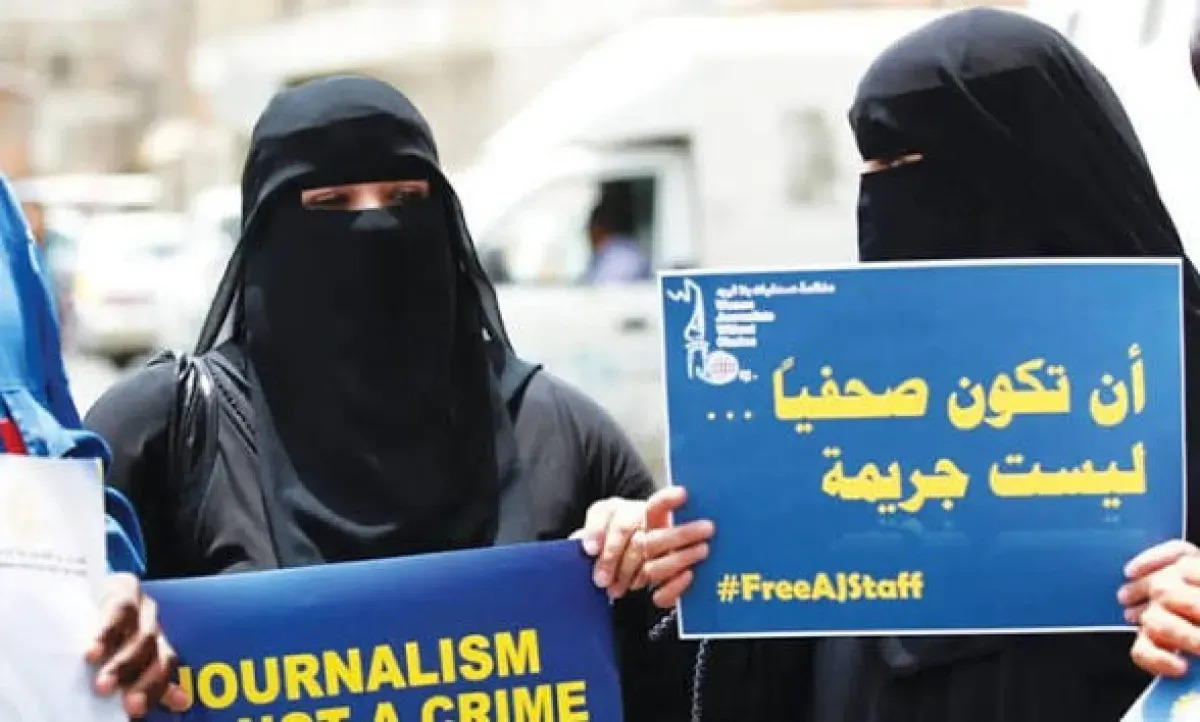
Yemen's Al-Islah party, affiliated with the Muslim Brotherhood, is facing unprecedented political and security scrutiny, with accusations escalating from local disputes to international intelligence and legal dossiers in Washington. Amid a renewed U.S. stance against political Islam, new intelligence suggests Al-Islah is nearing official designation as a global terrorist entity. This potential classification stems not only from its ideological ties to the broader Muslim Brotherhood but also from documented involvement in international financing schemes and operational collaboration with designated terrorist organizations like Al-Qaeda. Furthermore, the party is accused of exploiting Yemeni state resources to build parallel financial empires serving the international organization's agenda. A critical factor accelerating U.S. action is an intelligence report detailing 161 entities, organizations, and institutions linked to Al-Islah. Washington has presented this list to the party and the Yemeni legitimacy government, demanding explanations for their activities. These entities, ranging from ostensibly charitable organizations involved in money laundering to exchange companies and commercial enterprises, have reportedly served as the party's financial lifeline for decades. Evidence indicates these complex financial networks have funded not only political mobilization but also training camps outside the Ministry of Defense and armed factions directly loyal to the party. The U.S. views this as a direct threat to maritime security and regional stability, particularly given confirmed fund transfers from these organizations to active Al-Qaeda elements in Abyan and Al Bayda governorates. Reports from high-level security agencies have documented direct field coordination between Al-Islah and Al-Qaeda, including the provision of advanced weaponry from military brigades controlled by the party. Recent intelligence points to advanced drones and artillery used by Al-Qaeda in attacks in 2026 being supplied through smuggling networks protected by Al-Islah military leaders in Marib and Hadhramaut Valley. U.S. security circles consider this cooperation a significant escalation, providing Al-Qaeda with a legitimate cover for its movements and safe havens within party-controlled areas under the guise of resistance. This may explain why Al-Islah leaders have not been targeted by terrorist groups, unlike opponents of the Brotherhood. The U.S. Treasury Department's sanctions against Muslim Brotherhood leader Hamid Al-Ahmar and his companies represent a cornerstone in the legal framework for potentially designating the party as a terrorist group. These sanctions, based on Al-Ahmar's alleged management of complex financial networks funding Hamas and other groups, have exposed how Al-Islah leaders allegedly use their commercial and political influence in Yemen to finance the Muslim Brotherhood's global activities. This documented financial linkage has dismantled the claim that Al-Islah is merely a local political party, demonstrating its role as a central financier of political violence in the region and underscoring the international security necessity of designating it as a global terrorist entity (SDGT) to cut off its financial supply lines. Internally, Al-Islah is reportedly operating a "parallel budget" by controlling oil and gas resources in Marib and revenues from ports and taxes in Taiz. Instead of remitting these sovereign funds to the central bank in Aden to support the national currency and pay salaries, the party allegedly diverts billions to build its own security and military arms, secure tribal loyalties, and fund a vast media apparatus. Financial data suggests that illegal levies collected in Taiz alone, under the guise of supporting fronts and the so-called popular resistance, are directly channeled into accounts managed by military leaders within the party's armed wing. This practice has stifled commercial activity and exacerbated humanitarian suffering, which international reports characterize as systematic institutional corruption akin to war crimes against the national economy. The report also highlights severe human rights violations in areas under Al-Islah's influence, where confiscated schools and homes have allegedly been turned into secret prisons. Torture is reportedly practiced against activists and journalists opposing the party's policies. Reliable international organizations have documented hundreds of cases of enforced disappearances and extrajudicial killings, including the targeting of national army officers and soldiers who refused to comply with party directives. This systematic repression extends to public freedoms and an attempt to impose an extremist social order aligned with Brotherhood ideology, leading cities like Taiz to experience internal terrorism by security and military apparatuses loyal to the party leadership, not the state. As U.S. actions and regional pressures intensify, senior Al-Islah leaders are reportedly sensing the real danger. Intelligence reports indicate unusual movements of funds being transferred from local banks abroad, and a significant number of leaders and their families are allegedly relocating to countries offering temporary protection. This exodus and the dismantling of domestic investments reflect fear of asset freezes and international legal prosecution following a potential terror designation. Sources suggest the party is attempting last-minute blackmail by threatening to cede fronts to the Houthis or openly coordinate with Al-Qaeda to destabilize liberated governorates. However, these efforts appear increasingly futile against growing international consensus on ending the exploitation of terrorism for political gain. The anticipated U.S. designation of the Muslim Brotherhood in Yemen aims to isolate the extremist ideology that has infiltrated state structures under the party's guise, rather than targeting all Yemeni political components. Observers believe that if officially issued and implemented, this decision could pave the way for a comprehensive correction within the legitimacy camp, ending the duality and complicity between terrorism and politics, and enabling the formation of a national army solely loyal to Yemen. The documented facts, figures, and evidence presented in this report confront the international community and Yemenis with the truth: Al-Islah, which claimed to protect the republic, has allegedly served as a front for cross-border projects, using Yemeni lives and resources to fuel the international organization's conflicts. The party is now facing the consequences as its hidden activities are exposed and its masks fall away. |