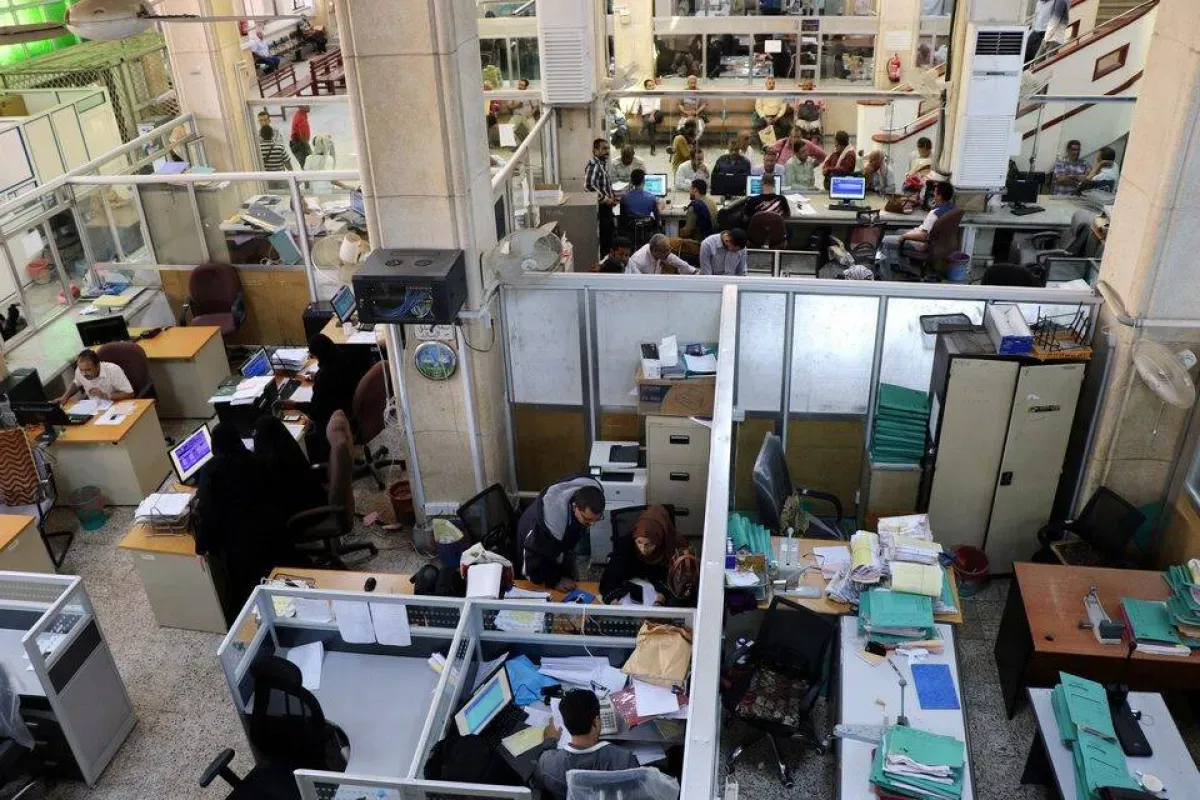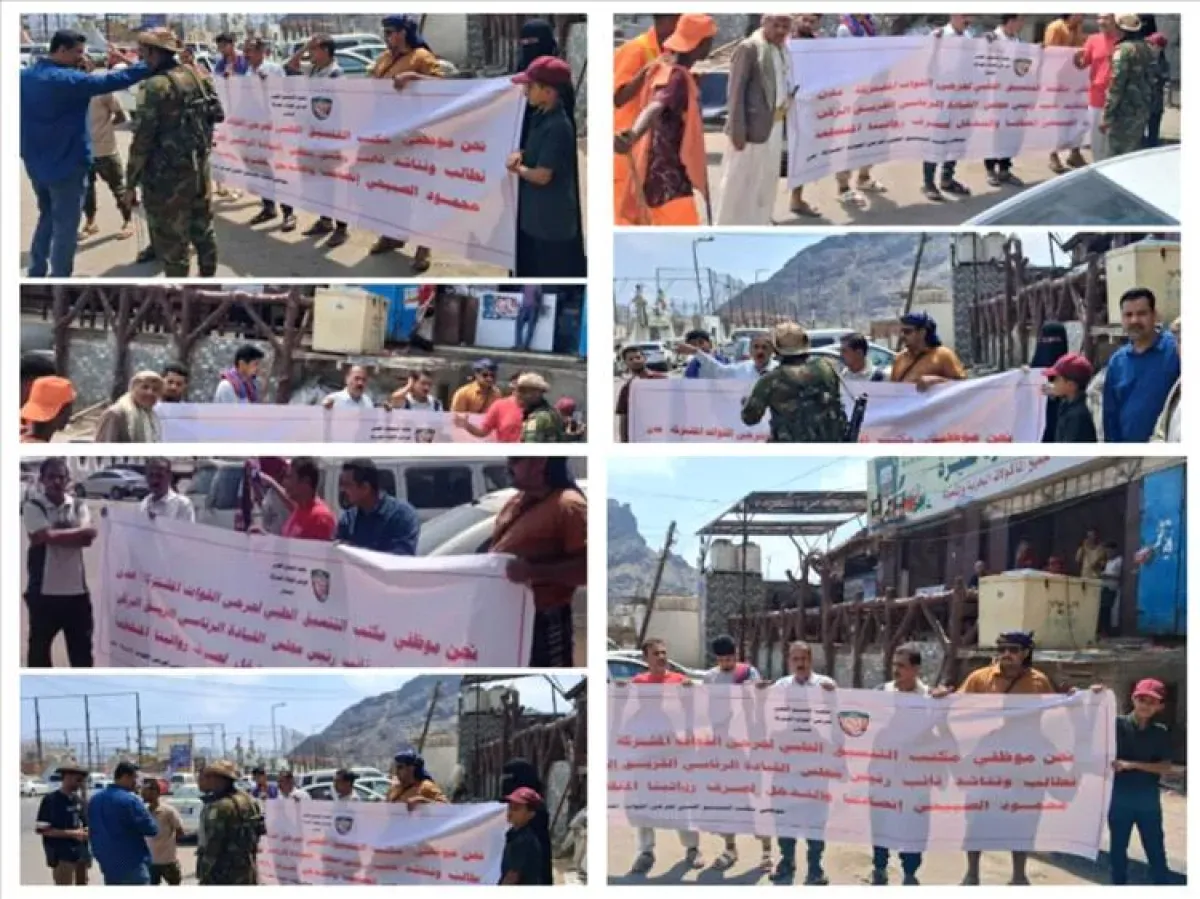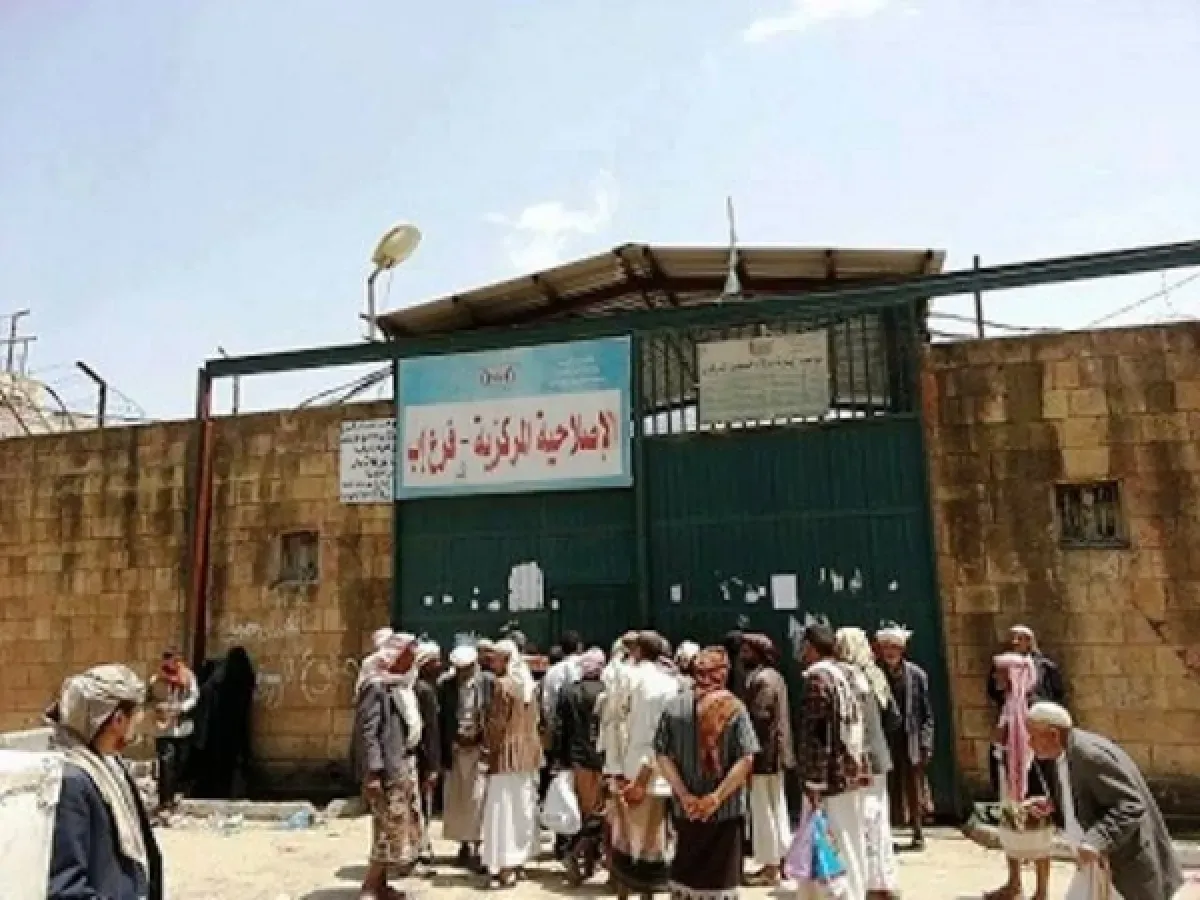




The political landscape in Yemen has evolved from a temporary setback into a comprehensive political deadlock, exacerbated by military power dynamics and a lack of genuine political will for a lasting settlement. The absence of unifying national reference points has allowed competing agendas to flourish, diverging significantly from any shared concept of statehood or its functions. This impasse is evident not only in the stalled negotiation processes but also in the lack of a realistic prospect for rebuilding a state capable of integrating its political and social components and establishing a new social contract to end the persistent fragmentation. Yemen is currently experiencing not merely a governance crisis or a power struggle, but a gradual disintegration of the state's very structure, with power dispersed among multiple decision-making centers and a unified state absent in favor of competing de facto authorities. Throughout the years of conflict, numerous international and regional initiatives and negotiation rounds have taken place in Geneva, Kuwait, Stockholm, and elsewhere. However, the outcome has consistently been a stalemate: no decisive military victory for any side and no peace settlement that produces sustainable resolution. In this limbo, Yemen remains trapped in a gray area where the crisis is managed rather than resolved, and the conflict is perpetuated in various forms without approaching an end. A pivotal factor contributing to this prolonged stalemate is the nature of the Houthi militia, which controls a significant portion of Yemeni territory. This group approaches the political process with a logic distinct from that of a state or national partnership, rendering a comprehensive settlement exceedingly complex. The Houthi militia's approach to political partnership presents a significant challenge. Many observers note that the Houthis are not operating as a traditional political faction amenable to integration into a national partnership based on pluralism and consensus. Instead, they are viewed as an armed extremist entity that emerged and expanded outside the state system, imposing its presence by force and reshaping institutions within its controlled areas according to a unilateral vision that excludes pluralism or participation. This reality creates a fundamental problem for any negotiation process. Negotiations shift from being a tool for building a political settlement based on mutual concessions to a platform for reordering on-the-ground power balances without reaching a final formula that addresses the root causes of the conflict. Consequently, the political process has often become a means of managing and freezing the conflict rather than ending it. Practices in Houthi-controlled areas clearly reflect this issue. Institutions are managed with rigid central control, and unilateral policies are imposed in public affairs, while spaces for political and civil pluralism diminish in favor of de facto authority that does not adhere to the principle of national partnership. This governance model makes it difficult to integrate this faction within the traditional concept of a modern state based on pluralism and power rotation. With repeated negotiation rounds, a core dilemma has emerged: the absence of sufficient guarantees for the implementation of agreements. While interim understandings are often reached, they rarely withstand the complexities of the reality or differing interpretations of obligations among parties, leading to a recurring cycle of stalemate. International and regional efforts to advance the political process in Yemen have been continuous for years but have consistently encountered the fundamental obstacle of a lack of common political ground among the active parties and profound differences in their respective visions for peace and the future state. Consequently, negotiations are no longer primarily aimed at a definitive end to the conflict but rather at de-escalating or temporarily freezing it through ceasefires, humanitarian arrangements, or limited confidence-building measures. However, these actions have failed to transition to a comprehensive political solution. This situation indicates that the Yemeni crisis is no longer solely a negotiation crisis but a structural one related to the nature of the parties themselves and their willingness to engage in a single state project based on power-sharing and mutual concessions, which appears elusive given the continued dominance of power dynamics in managing the current reality. While political discussions revolve around pathways to a solution, the Yemeni society bears the brunt of this persistent stalemate. The crisis is no longer confined to the political geography or the warring elites but has permeated the daily lives of millions of Yemenis. Severe economic deterioration, salary arrears, collapse of basic services, and degraded infrastructure are direct consequences of the political deadlock that has paralyzed state institutions and weakened their functionality. As the conflict continues, poverty expands, unemployment rates rise, and the middle class, a cornerstone of social stability, erodes. More critically, this stalemate not only consumes the present but also threatens the future. It leads to the weakening of education, reduced development opportunities, and the erosion of human capital, making reconstruction efforts increasingly difficult and complex over time. One of the most significant repercussions of the political deadlock is the gradual erosion of Yemeni state institutions, which have lost much of their capacity to function as a unified entity. With multiple centers of authority, institutions have become either divided, paralyzed, or subject to divergent political and security influences. This has led to the decline of the concept of a centralized state in favor of fragmented local and security authorities, directly impacting the state's ability to provide essential services, enforce the law, or manage public resources. Over time, the state transforms from a unifying entity into a weak, symbolic framework. Despite continuous international engagement in the Yemeni file, this presence has not achieved a genuine breakthrough in resolving the crisis. International initiatives, though numerous, have remained within the framework of conflict management rather than resolution, due to intertwined internal and regional complexities. The limited international impact stems from various factors, including divergent interests of regional and international powers, the difficulty of imposing solutions on local parties unwilling to make substantial concessions, and the complex nature of the conflict, which transcends a traditional political struggle into a multi-dimensional one. Given the current circumstances, there appears to be no imminent prospect for a comprehensive solution to end the political deadlock in Yemen. The proposed scenarios remain within the scope of managing the existing situation, whether through temporary truces, partial understandings, or limited initiatives. However, the absence of a fundamental shift in power balances or in the approach to the crisis makes a lasting settlement difficult to achieve. Any political progress remains fragile unless grounded in a genuine transformation of the conflict's structure itself. At the end of this scenario, the most pressing question is not about the reasons for the stalled political solution but about who bears the cost of this continuous failure. The answer, based on tangible reality, is unequivocal: the Yemeni people bear the greatest burden of this deadlock in all its humanitarian, economic, and social dimensions. Every day that passes without a political settlement or a decisive military action to defeat the Houthi coup means further deterioration in people's lives, further depletion of their resources, and further complication of their future. As this situation persists, the crisis transforms from a political event into a permanent daily reality, difficult to escape without immense cost. Yemen currently faces a closed political scene, where power dynamics intertwine with internal and external complexities, and the will to transform the conflict into a settlement is absent. Amidst the blocked horizon and continuing suffering, hope, as recently stated by the UN envoy to Yemen, is pinned on the possibility of reformulating the political path on new foundations that move beyond a logic of dominance towards a logic of partnership. However, the Yemeni legitimate government, political parties, and most Yemenis believe that pursuing political settlements with the Houthi militia is a waste of time, as they are considered a militia rather than a political party with whom national partnership and political settlements can be made. Until such a transformation occurs, the question will remain, and reality will continue to write its daily answer: Who pays the price of the stalemate? And the answer, it appears, is still being written daily in the suffering of the Yemeni people. |