


Al-Islah Party Accused of Undermining Yemeni State Through Financial Control
|
2 hours ago
A-
A+
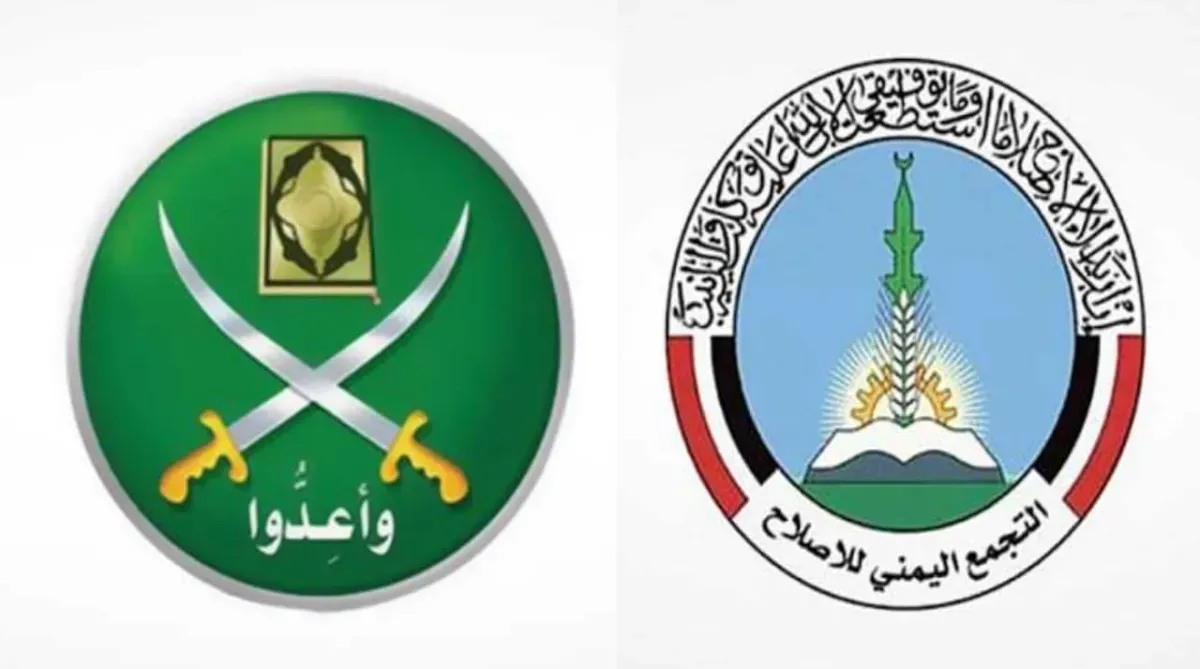
The financial crisis plaguing Yemen's liberated governorates is not merely a consequence of war but a deliberate strategy orchestrated by the Al-Islah party, the Yemeni arm of the Muslim Brotherhood, aimed at dismantling the state from within. This project seeks to consolidate parallel power structures controlling finances, weaponry, and decision-making, effectively rendering the legitimate government a facade. Al-Islah has reportedly treated public resources not as state property but as organizational spoils. For years, the party has pursued a policy of weakening the central government and starving the Central Bank of resources, while simultaneously bolstering its own financial influence in areas under its control. This approach has positioned the party as more powerful than the state, with legitimacy serving as a mere outward appearance devoid of tangible authority. In Marib, the party is accused of treating the governorate's oil and gas wealth as its private treasury. Sovereign wealth, intended to safeguard the national economy, has been managed with an organizational rather than a national mindset. Billions of Yemeni Riyals are reportedly withheld monthly from the Central Bank and disbursed under vague headings like "local expenses," allegedly to fund the party's military and administrative networks and ensure its financial independence from the government. Politicians view this as a deliberate political decision by Al-Islah to transform Marib into a personal fund and use its resources as leverage against the state. Taiz has reportedly become a testing ground for a parallel "Brotherhood economy." Taxes, levies, illegal fees, and even extortion on basic goods are allegedly collected through party channels rather than official institutions. Al-Islah's alleged financial system in Taiz creates a fiscal separation from the state's financial center, rendering the Central Bank in Aden ineffective. This has contributed to a government unable to pay salaries, a collapsing currency, and citizens burdened by corruption they did not participate in. This financial separation is seen as a calculated step to perpetuate the party's influence and weaken any authority it does not control. The party's alleged corruption is described as systematic, involving inflated payrolls, ghost employees, deductions from living allowances, and withholding revenues. These practices are reportedly part of a unified system to channel public funds into the organization's sustenance. Furthermore, Al-Islah is accused of establishing parallel funding sources through smuggling and illicit trade, placing it in a position akin to organized crime networks and undermining any claims of patriotism or commitment to the state. The alleged financial project extends beyond Yemen's liberated governorates. Significant daily transfers are reportedly made through exchange companies linked to the party, converted into foreign currencies, and deposited abroad. This alleged money-laundering network reportedly transforms looted funds into investments and real estate overseas, while the internal situation deteriorates. The organization's strategy is described as viewing the interior as a collection area and the exterior as a safe haven for investment. Politicians assert that rescuing the Yemeni economy requires direct naming of the problem. They identify the Al-Islah party, as the Yemeni branch of the Muslim Brotherhood, as the core of the financial crisis in the liberated governorates. The accusation is not merely its presence in power, but its alleged use of that power to dismantle the state and replace it with an organization that views Yemen as a sphere of influence rather than a nation. |