



US Aid Cuts Threaten Lives of Yemeni Children, Reports Indicate
|
1 month ago
A-
A+
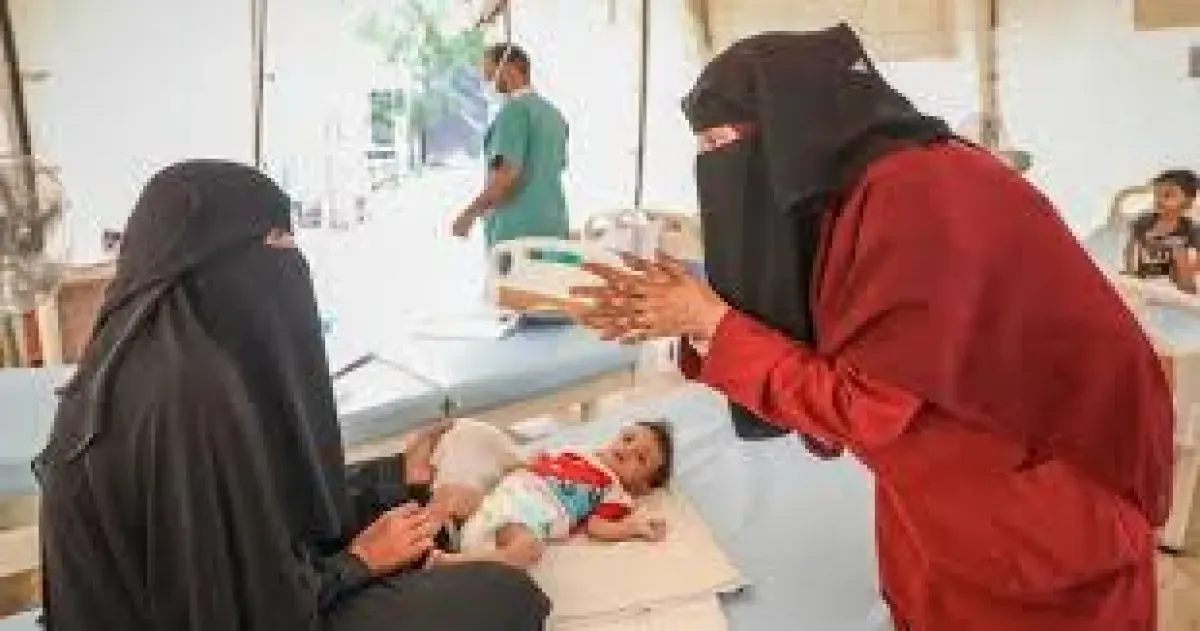
A significant and alarming reduction in U.S. humanitarian funding allocated for Yemen is directly jeopardizing the capacity of health facilities to provide even minimal services, coinciding with escalating medical needs fueled by poverty and malnutrition. This funding shortfall has led to disturbing reports of patients being forced to purchase necessary medications and supplies externally due to severe shortages within hospitals and clinics, raising grave concerns about the potential for widespread disease outbreaks that could transcend local boundaries. The Los Angeles newspaper published a report detailing the impact of the suspended American support, emphasizing that the humanitarian tragedy is acutely felt by hundreds of patients, particularly children and those suffering from chronic illnesses, who are awaiting life-saving doses of antibiotics for severe anemia and other conditions. Many have gone days, even weeks, without their last dose after essential medicines depleted supplies in facilities that relied almost entirely on external humanitarian aid for basic operational needs. This distressing scarcity is attributed to aid reductions announced by the United States, including the freezing of a substantial portion of humanitarian support since last year. Some of these cuts are reportedly linked to efficiency measures associated with businessman Elon Musk’s governmental efficiency initiatives. This decision has paralyzed crucial health programs that served as a lifeline for millions of Yemenis, encompassing essential drug provision, hospital support, and immunization campaign financing. Amid this impasse, health sector workers warn that the continuation of the current situation could precipitate the worsening and spread of infectious diseases throughout the current year, especially given the fragility of epidemiological monitoring systems and the lack of adequate personnel and supplies. Professionals fear the health crisis in Yemen could evolve into a regional threat due to the potential for cross-border transmission of diseases, while the existing health infrastructure appears incapable of sustaining itself without immediate intervention and the reinstatement of international support. |