


Iran's Strait of Hormuz Gambit: A Last Resort Against US Superiority
|
1 hour ago
A-
A+
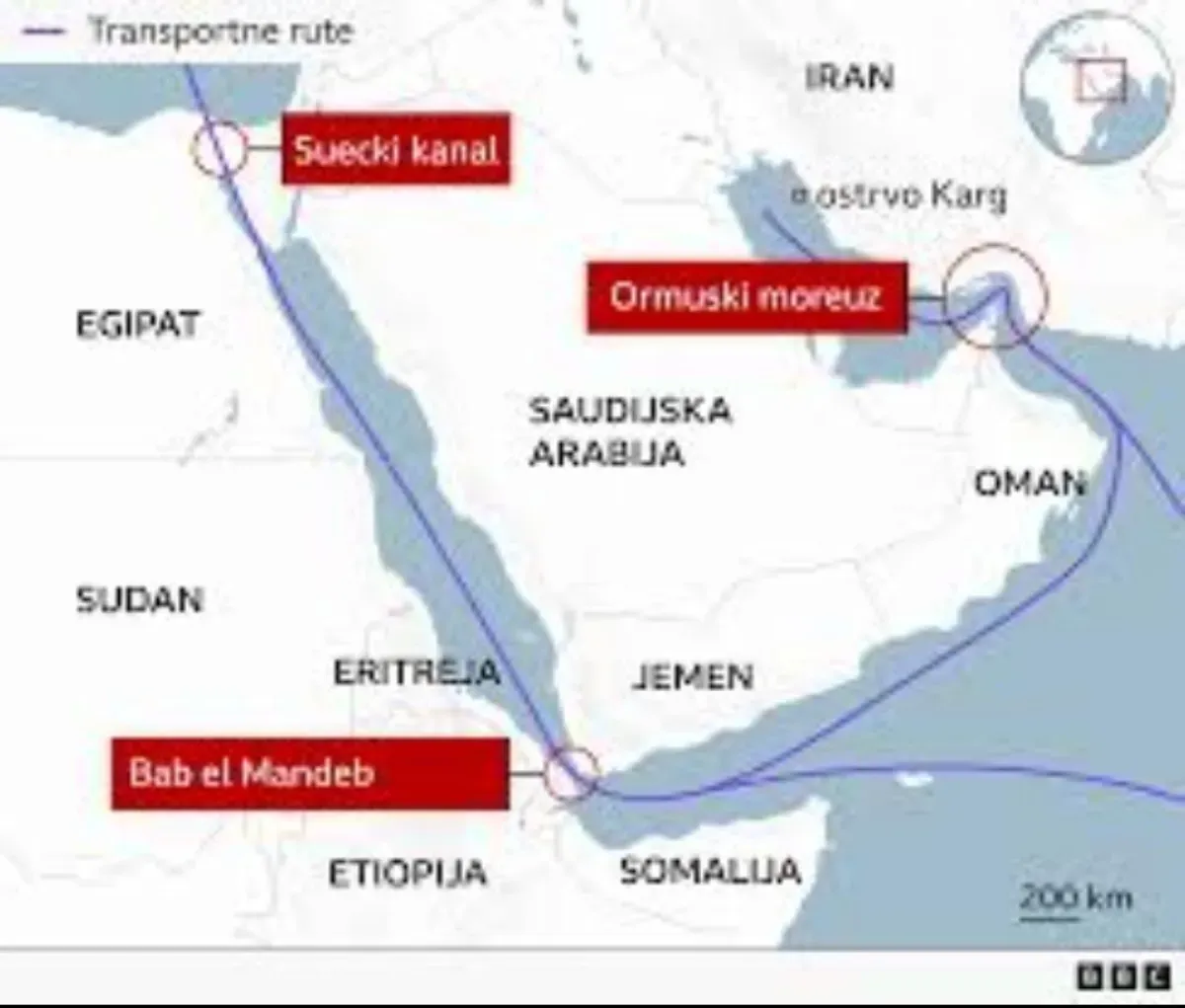
A negotiated end to the recent five-week military operation, dubbed "Epic Wrath," appears to be gradually taking shape, with surrounding commentary settling into familiar analytical patterns among some experts. However, a report by the Middle East Forum suggests this perspective, while seemingly self-critical, fundamentally reflects an isolationist view of the regional landscape. The report, authored by Egyptian-American analyst Hussein Aboubaker Mansour, highlights Iran's significant capabilities at the start of 2026, including approximately 440 kilograms of uranium enriched to 60 percent, a vast arsenal of ballistic missiles, and a network of regional allies. It notes that the military campaign targeting this posture has yielded tangible results, with Iranian ballistic missile launches decreasing by over 90 percent. The Iranian navy has been neutralized, its air defense systems severely degraded, and its nuclear infrastructure repeatedly struck. The report also states that Supreme Leader Ali Khamenei was killed. The analysis asserts that Iran, once a major regional threat, has undergone a radical transformation as a military power, though its political future remains a complex question. The United States faces a familiar historical challenge: achieving battlefield superiority without a clear political resolution. Despite Iran's diminished capabilities, the regime has not collapsed. A statement attributed to Mojtaba Khamenei has vowed to keep the Strait of Hormuz closed, while Foreign Minister Abbas Araghchi has emphasized Iran's demand for a complete end to hostilities, not a temporary ceasefire, indicating a fundamental divergence in perspectives. The United States possesses clear military superiority and the capacity to maintain pressure, with threats of striking Iranian energy facilities if an agreement is not reached within weeks. However, the reopening of the Strait of Hormuz is the most pressing need, as its closure has driven oil prices above $100 per barrel and fuel prices in the U.S. to elevated levels. These developments have prompted warnings of unprecedented global energy security repercussions, leading the International Energy Agency to draw from strategic reserves. The report suggests Tehran is leveraging these economic pressures as its final card. Iran is reportedly seeking credible guarantees against regime targeting, amidst divergent U.S. statements regarding regime change. This demand reflects Tehran's recognition of its limited military victory potential, while aiming to secure political gains for its survival. Gulf states' positions have also shifted significantly; initially cautious, Iranian attacks on vital infrastructure and civilian areas across several Gulf nations prompted a reassessment. Data indicates increasing coordination with Washington and calls for continued military pressure on Iran, viewing the current circumstances as a rare opportunity to weaken its long-term capabilities. However, the report notes persistent differences within Gulf states. Oman has called for a swift cessation of hostilities to maintain its mediating role, while Qatar has balanced condemnation of attacks with continued communication channels. Other nations have adopted firmer stances without direct engagement in offensive operations. The success of the final phase hinges on Washington's ability to define a minimum political settlement that achieves its core objectives: preventing Iran from acquiring nuclear weapons, degrading its missile capabilities, and ensuring the reopening of the Strait of Hormuz. The latter is the most urgent goal, aligning with both parties' interests despite ongoing animosity. The report questions the sufficient level of Iranian degradation to prevent future threats, suggesting that any settlement leaving Iran's industrial and military infrastructure capable of rebuilding could perpetuate the crisis. Washington's readiness to escalate pressure reflects an awareness of these risks, but its capacity to bear the political and economic costs remains a decisive factor. The report concludes by questioning Iran's likelihood of making genuine concessions at this stage, given its history of evasion, deeming confidence in a radical shift in its behavior difficult to justify based on past experiences. |