


Analysis: Is the U.S. conducting air strikes against Al Qaeda in Yemen?
|
1 month ago
A-
A+
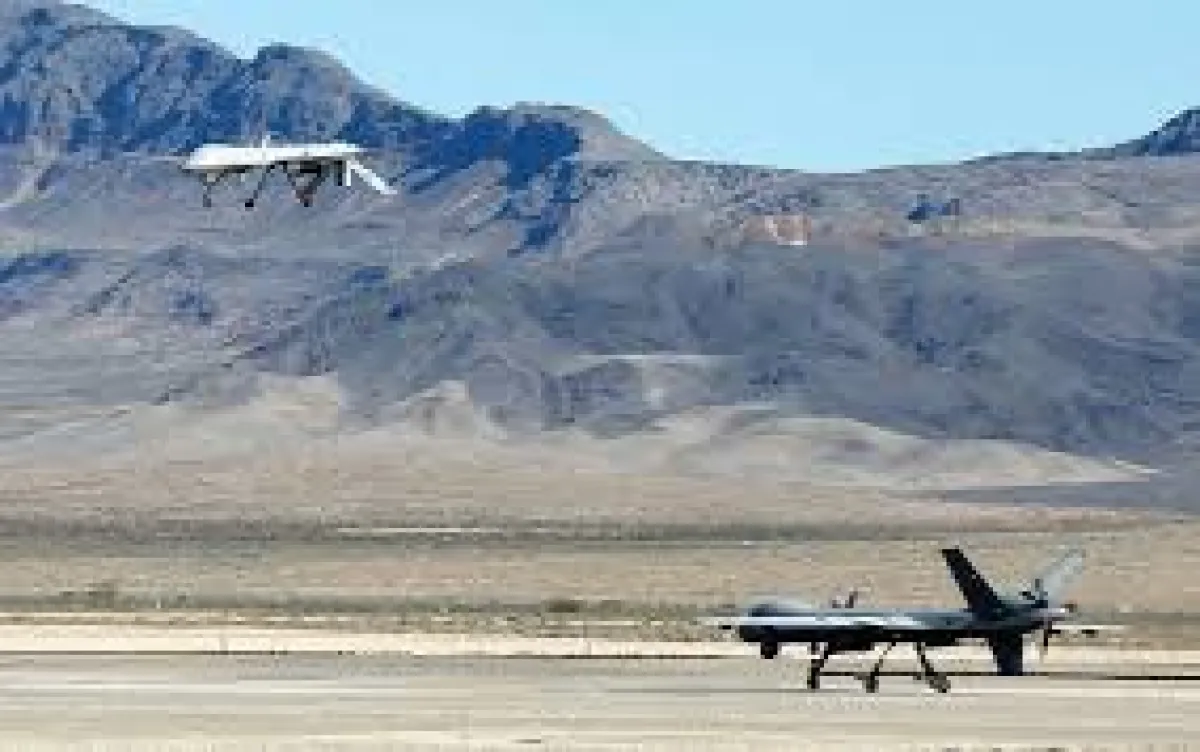
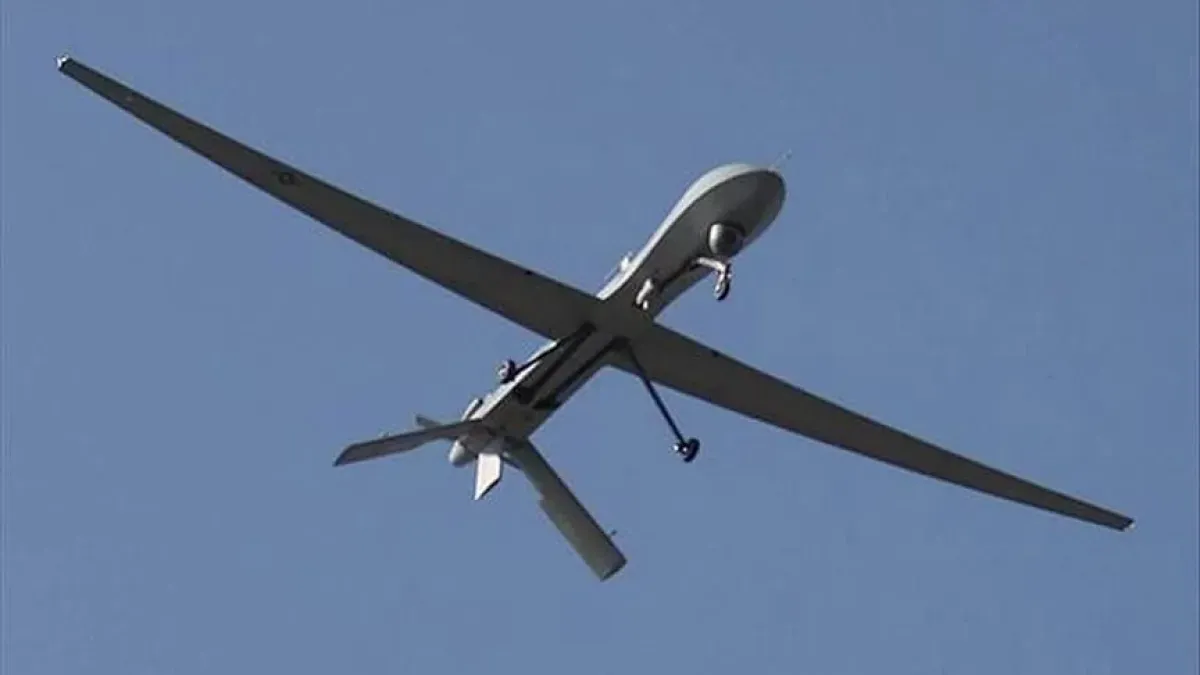
Is the United States conducting drone strikes in Yemen against Al Qaeda in the Arabian Peninsula (AQAP)? If one relies on official statements by the U.S. government, the answer appears to be no, wrote David Sterman in Just Security news website Sterman, a deputy director of the Future Security program at New America., added “Indeed, the United States has not confirmed a strike against AQAP since 2020, when President Donald Trump was in the final year of his first term. However, local Yemeni media, Yemeni analysts, and a few non-Yemeni news outlets reported several U.S. airstrikes throughout 2025 and into 2026, suggesting that there may be a covert campaign”. America’s drone war in Yemen has a long history. And if this clandestine campaign is ongoing, then the lack of transparency greatly complicates efforts to ensure accountability for errors and civilian casualties. It also exacerbates the risk of further embroiling the United States in an endless war with no clear strategy. The frequency of airstrikes has varied across several presidential administrations, with the first Obama administration escalating the campaign, which then peaked during the first Trump administration. The strikes have been far fewer and less frequent in recent years. Still, one can argue that the war has taken on an endless character, where the United States pursues objectives it can never fully achieve. Therefore, there is a real question of whether the logic behind U.S. strikes against AQAP is now one of preventive war rather than a response to direct threats. There is also a significant risk that continuing to strike a potentially degraded AQAP can obscure Yemen’s far larger challenges – an issue recently emphasized not just by the rise of the Houthis as a threat of global concern but by the sudden escalation of tensions within the anti-Houthi coalition. The United States has a responsibility to clarify whether it is currently conducting strikes against AQAP in Yemen. The president should be actively creating the structure for transparency regarding any air campaign and for clear denials when the United States is not responsible. David Sterman concluded his analysis suggesting “In the absence of presidential action, Congress should provide more oversight and transparency regarding U.S. strikes, while also pressing military and intelligence officials on their current assessment of AQAP’s threat and the strategy to confront it”. |