


World Radio Day in Yemen: Houthi Control Expands as Legitimacy Fails to Command Airwaves
|
3 days ago
A-
A+
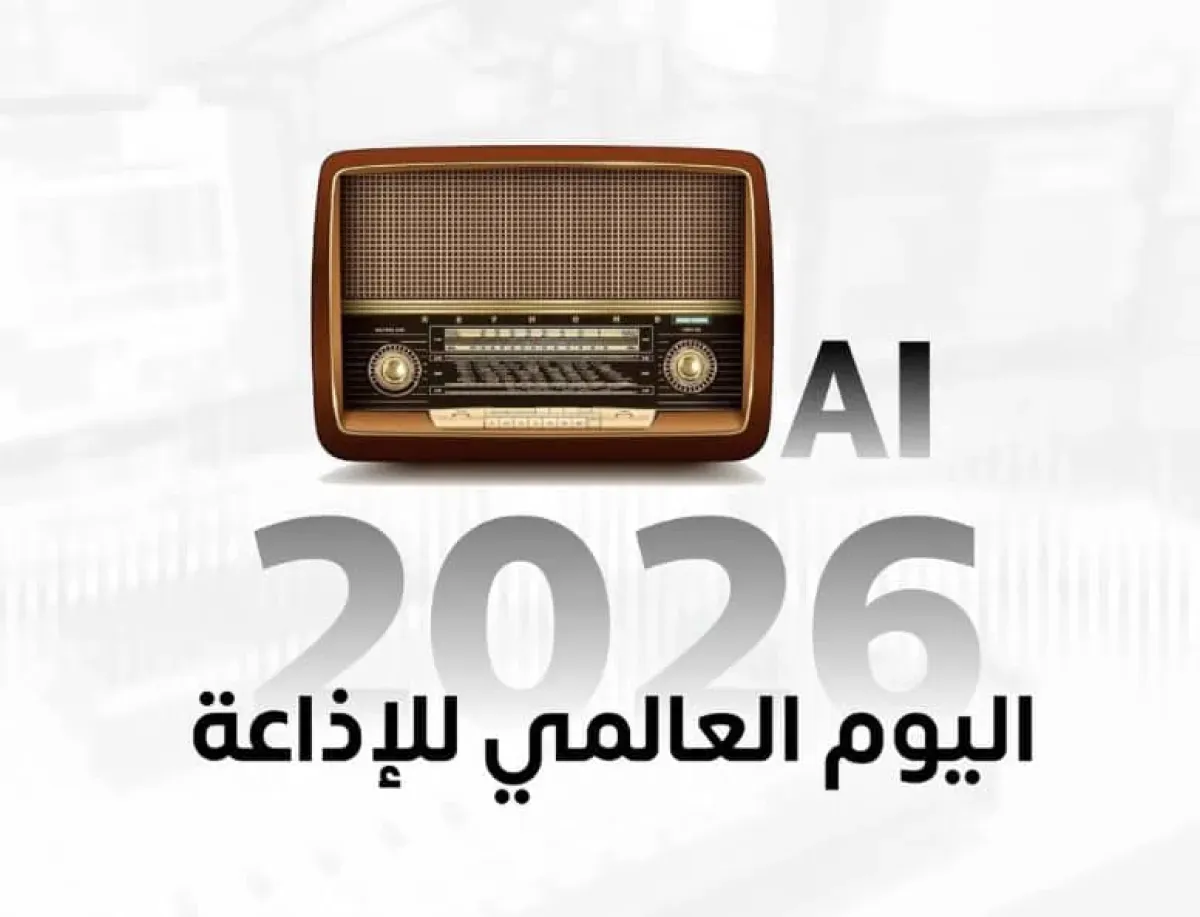
On World Radio Day, Yemen confronts a stark media paradox where the recognized government is largely absent from the airwaves, allowing Houthi forces to consolidate control over the most pervasive communication medium in the country. In Yemen, where radio remains the most accessible and influential medium, particularly in rural areas with limited electricity and internet access, the internationally recognized government has ceded significant ground. Radio is not an obsolete technology but a daily fixture in homes, transportation, markets, and village gatherings, requiring neither costly smart devices nor stable connectivity. This essential nature has transformed radio into an undeclared battleground, extending beyond media concerns to critical political, security, and cultural dimensions tied directly to shaping public consciousness amid prolonged conflict and deep societal division. Despite this exceptional importance, areas controlled by the internationally recognized government suffer from severe deficiencies in official radio infrastructure, including limited station numbers, weak transmission power, and narrow geographic reach. Many official stations operate with constrained resources, some broadcasting from outside Yemen, while local stations in liberated provinces often cover only a few kilometers or city blocks, reflecting fragile technical infrastructure and a lack of strategic planning. Conversely, media sources indicate the Houthi militia operates more than fifteen regional and local radio stations broadcasting on multiple frequencies with high transmission capacities, enabling them to reach wide areas, including those under government control. These Houthi stations function as an integrated media system with a unified discourse, organized programming, and continuous daily presence designed to serve a specific political and ideological vision. Alarmingly, the broadcasts of some of these stations penetrate most liberated governorates, even reaching deep into southern regions, while government stations within those same areas struggle to maintain stable internal coverage. This disparity reveals a structural flaw in managing the media portfolio within legitimate institutions and a failure to view radio as a strategic tool in the battle for awareness. The Houthi influence extends beyond establishing new stations to outright seizure of national broadcasters in areas under their control since taking Sana'a. Official stations, once carriers of a general national discourse, have been repurposed into platforms for sectarian mobilization, adhering to a singular vision that observers warn deeply impacts Yemeni cultural consciousness. Furthermore, documented media statistics reveal that the Houthis have confiscated or shut down over eight private commercial radio stations, redirecting their equipment to serve their own expansive broadcasting network, thereby diminishing media pluralism. In contrast, stations in government-held areas are plagued by chronic structural issues, including minimal financial, administrative, and technical support. Transmission equipment is often outdated, and there is a notable absence of institutional oversight or professional guidance to ensure continuity and quality. Many stations operate intermittently due to technical faults, fuel shortages, or inadequate funding, eroding public trust and rendering them incapable of competing with the organized, continuous, and intensely supported Houthi transmissions. The World Radio Day underscores the global significance of this medium, but in Yemen, it highlights an urgent national imperative: How can a government striving to restore the state neglect one of its most vital tools for societal influence? The media vacuum is invariably filled by the most prepared and resourced actors. Re-legitimizing national radio requires clear political will, a strategic vision encompassing infrastructure modernization, sustainable financing, and the production of professional content that resonates with citizens' concerns and reinforces republican values. The battle for the airwaves is fundamentally a battle for the conscience and future of Yemeni society. |