


Yemen's Digital Revolution: Social Media Becomes Arena for September Uprising
|
19 hours ago
A-
A+
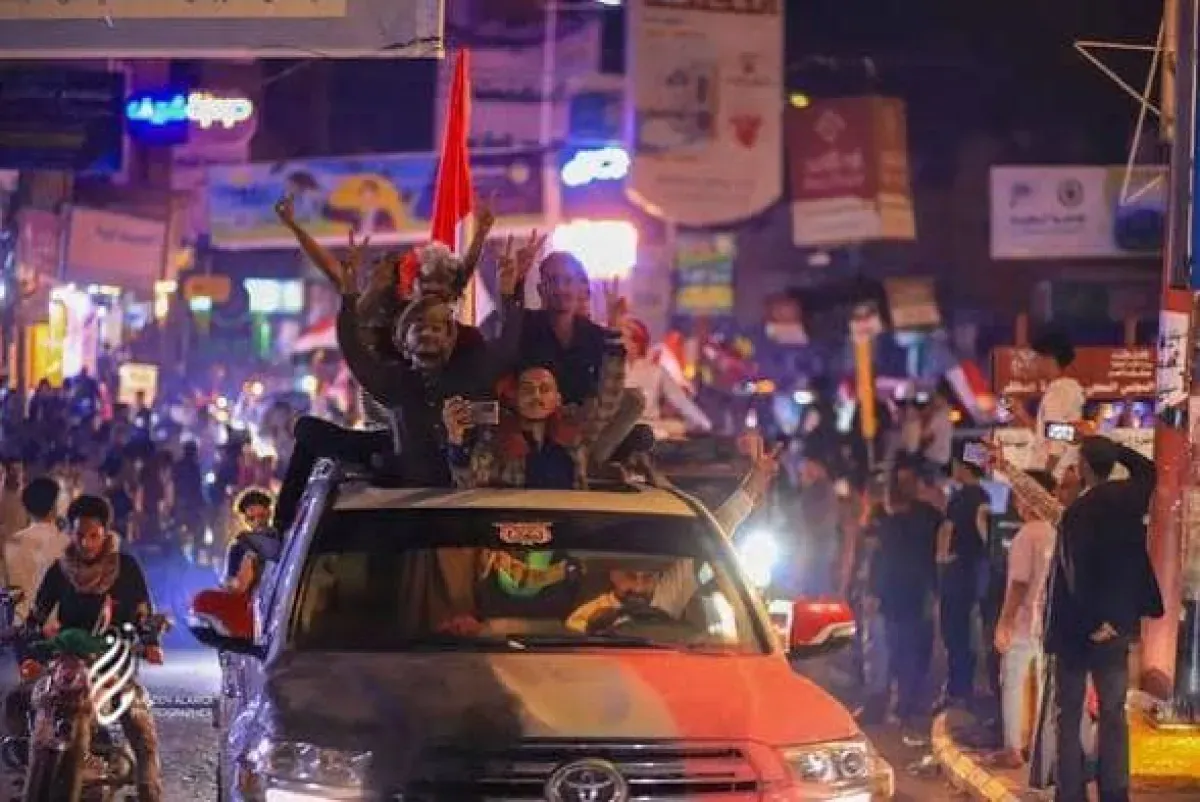
Amidst stringent security measures suppressing public gatherings in Houthi-controlled areas, Yemenis have ingeniously repurposed social media platforms as a new frontier for their national revolution, particularly during the 64th anniversary of the September 26th revolution. Digital spaces and social networks have become vibrant arenas for rekindling the spirit of the republic and reaffirming the historic goals of the September uprising. In what has been dubbed "Digital September," ordinary phone functions transformed into tools of peaceful resistance. Hundreds of thousands of users, both within Yemen and in diaspora communities abroad, launched a unified campaign by changing their profile pictures and adding digital frames adorned with the Yemeni national flag. This visual and symbolic solidarity reportedly shocked Houthi intelligence agencies, which initiated a crackdown, arresting dozens for updating their social media photos on platforms like WhatsApp and Facebook. Personal profile pictures evolved from a private choice into a public act of defiance against sectarian agendas. The September fervor extended beyond online posts to bold acts in besieged cities and rural areas. Celebrations erupted on mountaintops and rooftops, with citizens lighting fires and launching fireworks, accompanied by patriotic anthems broadcast over loudspeakers. These moments were meticulously documented by mobile phone cameras and instantly shared under popular hashtags, most notably #ثورة_26_سبتمبر (September 26th Revolution). This parallel action complemented official and popular flame-lighting ceremonies held freely in liberated provinces like Marib and Taiz, creating a unified national narrative that transcended geographical and political divisions. The digital revolution was characterized by profound intellectual and political awareness. Virtual pages became platforms for critiquing Houthi practices and starkly contrasting the republican era with the current dire situation. Bloggers and activists highlighted systemic crises, including prolonged salary non-payment for public employees while militia leaders enriched themselves, the transformation of educational institutions into centers for sectarian indoctrination, the collapse of essential services, and the imposition of exorbitant fees and systematic looting of public and private property. In response to the digital surge, the Houthi militia deployed its repressive apparatus, establishing checkpoints to inspect citizens' phones for national songs, flag images, or September slogans. Simultaneously, pro-Houthi media outlets engaged in a smear campaign, accusing celebrants of treason and foreign allegiance. Despite these efforts, Yemenis continued to employ clever dissemination tactics to bypass security censorship. Yemenis abroad served as a crucial strategic depth, with activists in exile amplifying the voice of those inside Yemen to international public opinion and human rights organizations. They organized extensive events and led multilingual digital campaigns to expose Houthi violations, documenting kidnappings and intimidation with facts and figures. Digital platforms thus became a bridge uniting the diaspora and the homeland in a common republican cause. "Digital September" unequivocally demonstrates that security measures, however severe, are incapable of containing popular will or erasing September's identity. Social media has evolved from mere entertainment tools into vibrant intellectual arenas, proving daily that the flame of September 26th, ignited by the pioneers of 1962, continues to burn brightly in the hearts of generations, defiant of extinction or oblivion. |