


UN Warns of Potential 230,000 Yemeni Displacement Amid Escalation
|
14 hours ago
A-
A+
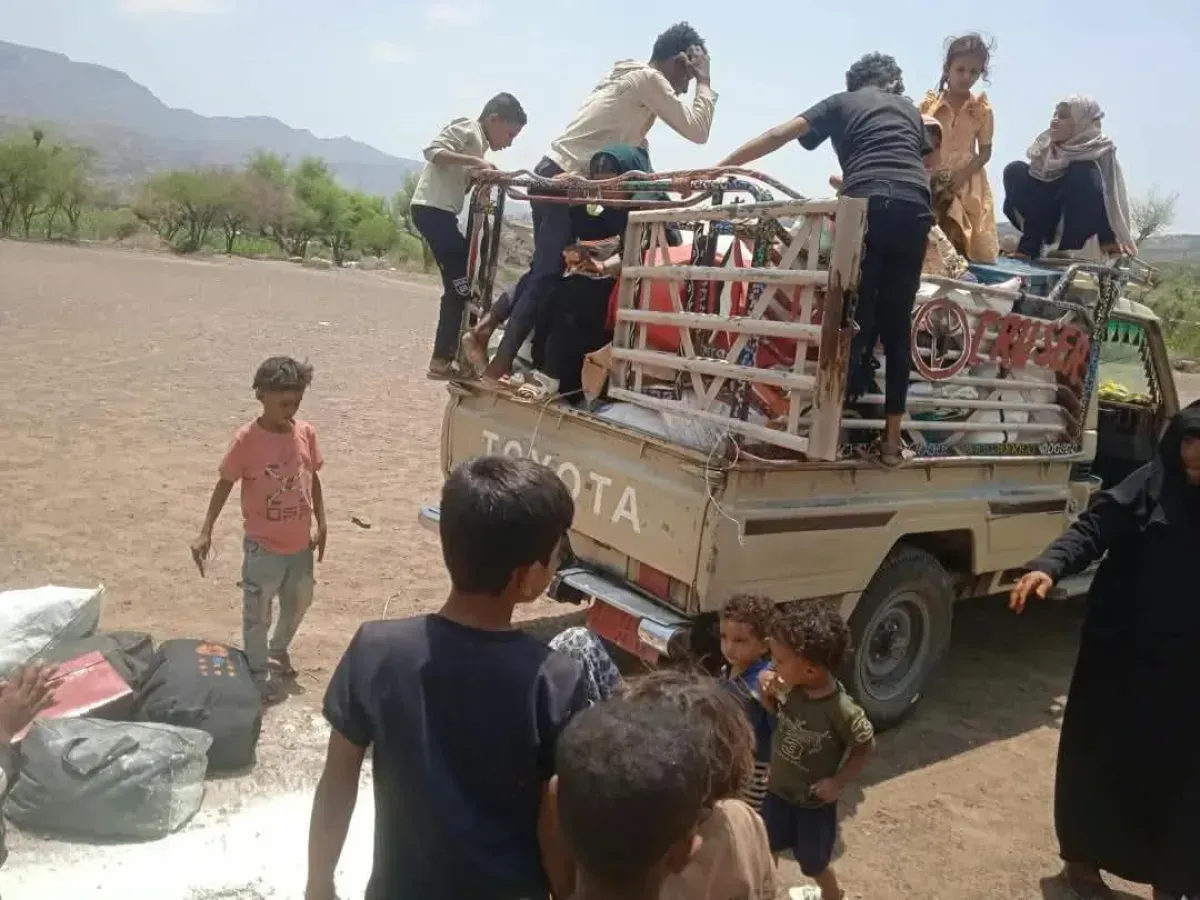
The United Nations High Commissioner for Refugees (UNHCR) has issued a stark warning that internal displacement in Yemen could surpass 230,000 individuals in the coming month if military escalation by Houthi rebels and current displacement rates persist. This comes as the nation grapples with one of the world's most severe humanitarian crises, compounded by diminishing aid capacity. Armin Yedigarian, the UNHCR representative in Yemen, stated in remarks published on the UN's website that over 130,000 people have been displaced from their homes within the country since the beginning of September. This surge coincides with an ongoing influx of refugees across the Gulf of Aden. Yedigarian noted that more than 3,000 individuals have arrived in Djibouti, while hundreds more have reached Somaliland and the Puntland region of Somalia. The UNHCR attributes this new wave of displacement to a country already reeling from over 12 years of protracted conflict, which had already displaced more than 5.2 million people prior to the recent escalation. Yedigarian elaborated that over 22 million people in Yemen, including approximately 65,000 refugees and asylum seekers predominantly from Somalia and Ethiopia, require humanitarian assistance. This need is exacerbated by increasing restrictions hindering aid delivery. Key challenges hindering humanitarian response, according to the UN official, include insecurity, movement restrictions, communication disruptions, damage to roads and infrastructure, and a severe funding shortage. These factors significantly limit the capacity of humanitarian organizations to address escalating needs. Yedigarian highlighted that Taiz Governorate accounts for over 60% of the displacement cases recorded in the latest wave. Many families remain trapped within the governorate, unable to reach safer areas due to ongoing fighting, road blockades, and a lack of transportation and fuel. Displacement has also been reported in Al Jawf, Marib, and Hodeidah governorates, indicating a widening impact of the escalation and the multiplicity of active frontlines. Babar Baloch, a UNHCR spokesperson, shared accounts from mothers who reported being forced to flee their homes for the fourth time since the conflict began. This underscores the recurring displacement faced by Yemeni families as the war continues and options for relocation to safer zones diminish. The escalating displacement, according to UNHCR warnings, threatens to place further strain on host communities and already limited humanitarian resources, as millions of Yemenis face growing needs amid financial and logistical difficulties in delivering aid to those affected. |