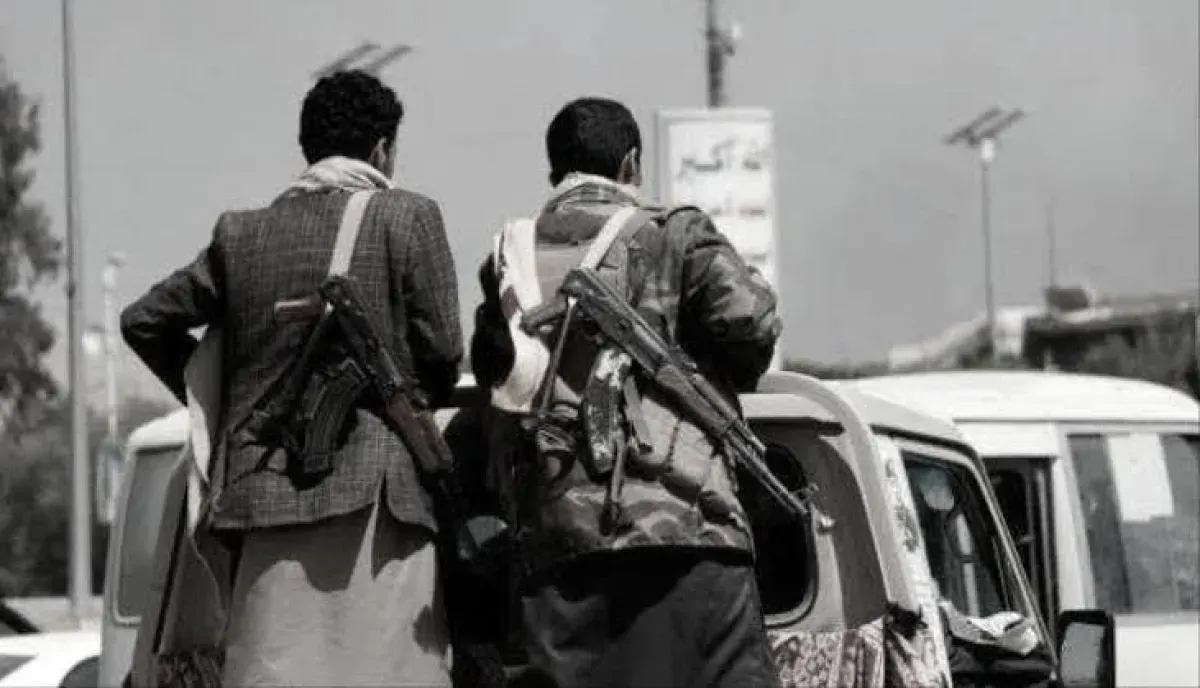



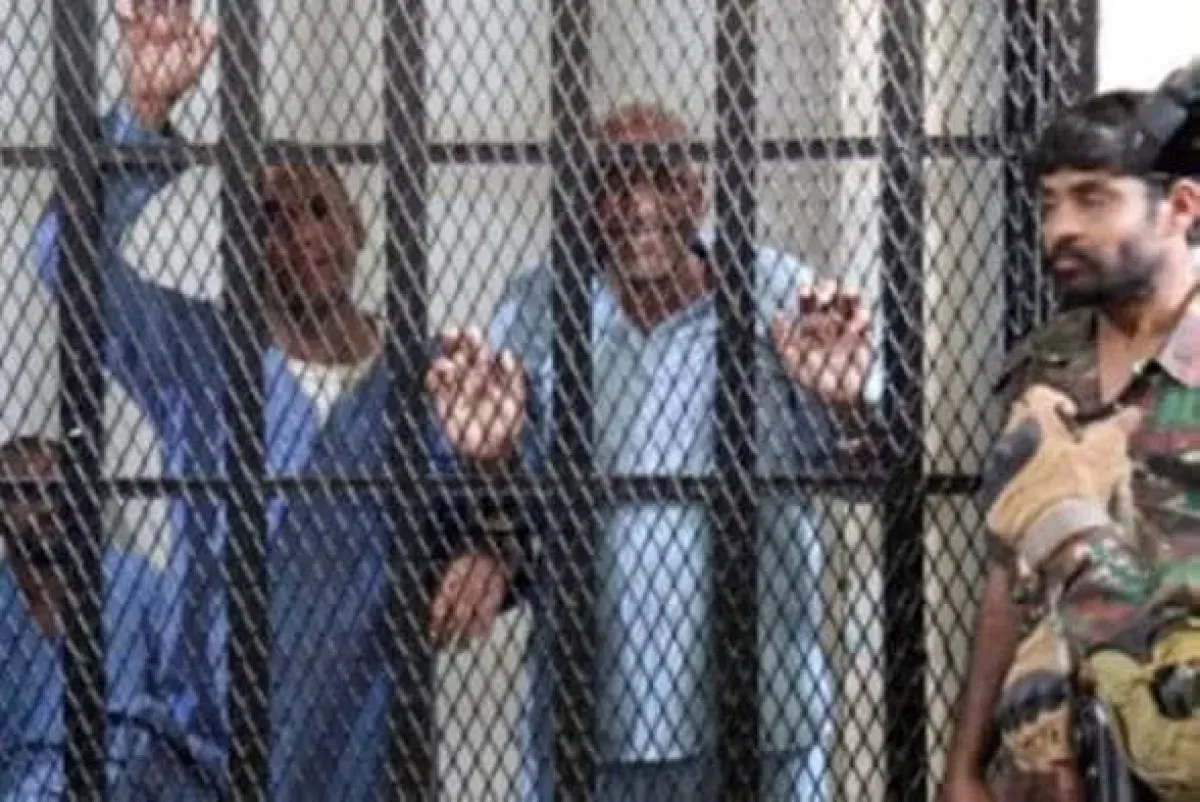
As the Yemeni conflict enters a critical phase militarily and politically, the issue of prisoners and those forcibly disappeared by the Houthi militia serves as a stark reminder of the humanitarian tragedy weaponized by the group throughout the war. With recent escalations indicating a fundamental shift in the balance of power favoring the legitimate government, supported by a firm regional and international stance, the Houthi militia's approach to this sensitive and painful issue is increasingly constrained. Indications suggest a diminishing capacity for political maneuvering or imposing new conditions, alongside a decline in their military effectiveness. The latest developments reveal a deliberate obstruction by the Houthi militia in Sana'a regarding detainees and those forcibly disappeared. Despite significant hopes raised by UN-brokered understandings and International Committee of the Red Cross efforts for a major prisoner exchange involving over 1,700 individuals, the militia abruptly sabotaged these efforts. This behavior is intrinsically linked to the Houthi's persistent desire to leverage the suffering of thousands of families as political, military, and economic bargaining chips to alleviate their severe isolation. The Houthi intransigence was recently evident in blatant attempts to inundate lists with names of individuals implicated in serious criminal offenses and acts of terrorism unrelated to the war, such as those accused of assassinating prominent military leaders. This move provoked widespread public and tribal discontent in areas loyal to the legitimate government. Such manipulation of agreed-upon terms and timelines clearly reflects the militia's dwindling options, as they now perceive the continued detention of forcibly disappeared persons and abducted civilians as their last defense against the complete erosion of their legitimacy. This humanitarian impasse occurs while the Houthi militia experiences its worst period of decline militarily and politically. Current data, including political discourse, strategic orientation, and military readiness indicators, underscores the legitimate government's ascendant position. The government now holds the initiative, bolstered by internal cohesion and extensive logistical and military support from the Arab coalition and the international community, which has grown weary of Houthi threats to international navigation and the Bab al-Mandab strait. Recent sovereign measures, including economic and financial sanctions and strict controls on the militia's air and sea supply routes, have stripped the Houthis of the leverage they previously used to dictate terms in negotiation rounds. The structural weakness and military exhaustion afflicting the Iranian Revolutionary Guard Corps, the primary supporter of the militia, render prolonged military confrontations nearly impossible for the Houthis. This has led their leadership to resort to disrupting humanitarian understandings, believing that holding military and political leaders, activists, and forcibly disappeared individuals in their clandestine prisons offers a security net or leverage for sovereign gains or economic compensation amidst their successive battlefield losses. Beyond international isolation and political weakness, the Houthi militia faces an existential threat from within the areas they control, including the de facto capital, Sana'a. The Yemeni populace is experiencing unprecedented levels of boiling discontent and public outrage. Economic and living conditions have become unbearable due to systematic impoverishment policies, the withholding of employee salaries, and exorbitant levies imposed by the militia to fund their war machine and enrich their dynastic leaders, while denying citizens basic necessities and essential services. This fragmentation of the Houthi internal front, coupled with escalating societal and tribal rejection—both silent and overt—of their repressive and intimidating policies, and the increasing frequency of sham trials targeting women, activists, and educators, places the militia in a constant defensive posture for survival. In this context, the Houthi's failed handling of the prisoner and forcibly disappeared issue further exemplifies their fear of any breakthrough that could be interpreted as a retreat or defeat by their popular base. Consequently, they prefer to maintain the stalemate, awaiting a political miracle that may not materialize given the rapidly changing international and regional dynamics. Regarding the expected outcomes for this situation, observers anticipate complex developments concerning the prisoners and forcibly disappeared. The legitimate government, operating from a position of genuine strength and approaching the issue from a purely humanitarian perspective that rejects politicization, faces a moral and legal obligation to continue exerting all legitimate means to end the suffering of the detainees. The Houthi militia's continued intransigence is likely to prompt the government and the coalition to adopt more stringent punitive and economic measures targeting the remaining resources the militia depends on, thereby increasing their isolation and accelerating their collapse. The continued imprisonment of thousands of abducted and forcibly disappeared individuals in secret Houthi prisons, where they are subjected to various forms of physical and psychological torture, presents a true test for the United Nations and its Special Envoy to demonstrate their seriousness and decouple the humanitarian track from military calculations. It is no longer acceptable to be content with expressions of concern or to remain a passive observer while a militia, whose strength wanes daily, becomes more vicious and oppressive against unarmed civilians. Breaking the international silence and exploiting the militia's current vulnerability through decisive and direct international sanctions is the sole path to compelling the Houthis to comply with UN resolutions, empty their detention facilities, and restore joy to thousands of Yemeni families awaiting hope. |