


Yemen Government Excluded from Aid Deals, Sovereignty Questioned
|
1 week ago
A-
A+
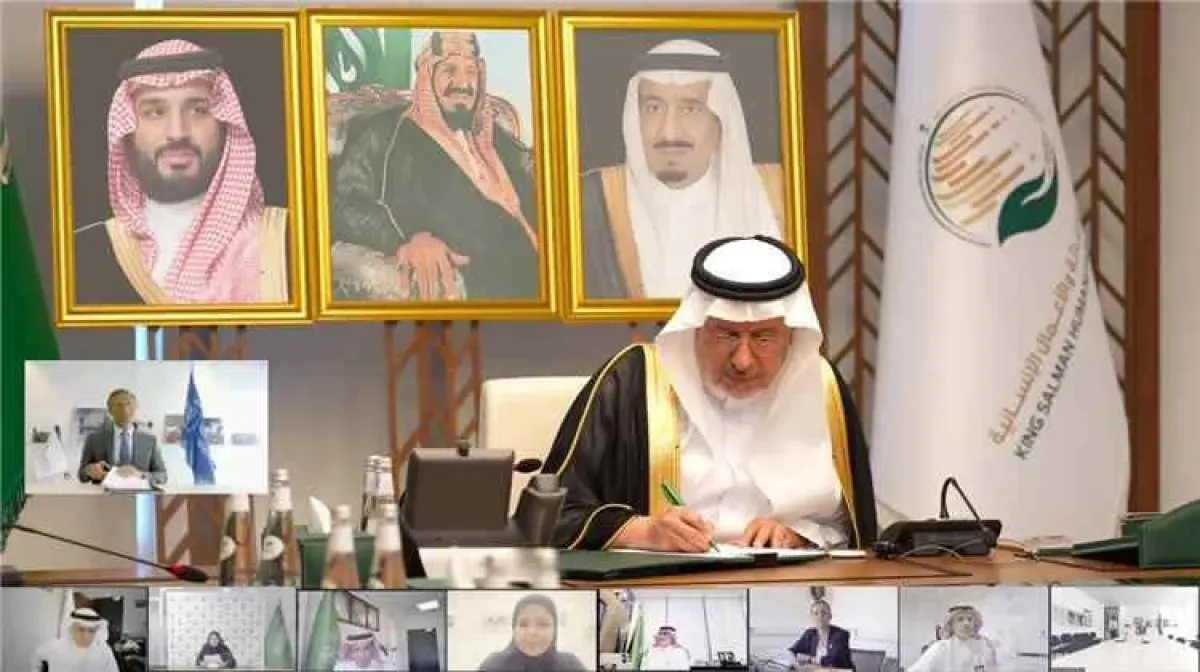
A recent agreement signed between the King Salman Humanitarian Aid and Relief Centre and the World Food Programme, funded jointly by Saudi Arabia and the United Kingdom with $10 million for food security and livelihoods in five Yemeni governorates, has raised serious questions about the continued exclusion of the Yemeni government from agreements concerning projects implemented within its territory. The agreement was notable for being brokered between donor entities and a UN organization, with the presence of Saudi and British officials, while the Yemeni government, represented by the Prime Minister's Office, the Ministry of Planning and International Cooperation, and relevant ministries, was entirely absent. This suggests a disregard for the government's role as the internationally recognized authority responsible for planning, supervising, and signing off on any international interventions within the country. This absence is not an isolated incident but has become a recurring pattern in most humanitarian and development agreements pertaining to Yemen. Observers view this as a dangerous decline in the standing of the legitimate government, transforming it from an authority meant to manage state affairs into a passive observer of agreements made about its people and land without its participation or signature. Analysts contend that this situation represents more than a mere procedural flaw; it signifies a practical concession of a key aspect of national sovereignty. The management of aid and development programs within any nation is fundamentally the responsibility of its government. However, in Yemen, this role is increasingly being managed through direct arrangements between donors and international organizations, a scenario that entrenches the marginalization of state institutions and undermines their legitimacy. Experts emphasize that the government's continued acceptance of this model effectively amounts to relinquishing a portion of its sovereign powers to external parties. It allows for the management of internal affairs impacting millions of Yemenis outside the purview of state institutions, thereby gradually eroding the government's role as the national reference for planning, supervision, and oversight. Furthermore, bypassing the government in signing these agreements undermines the principle of "national ownership" upon which international partnerships are built. It raises concerns about why the legitimate authority would accept becoming a nominal entity while external parties dictate project priorities, manage funding, and oversee implementation without meaningful government involvement. While the Saudi and British support, along with the World Food Programme's humanitarian efforts, are crucial in alleviating Yemeni suffering, the persistent exclusion of the government from agreements concerning its own country sends negative messages about the state of its institutions. It reinforces the perception that decisions regarding aid and development programs are no longer made within Yemeni institutions but are managed externally, prompting profound questions about the future of national sovereignty and the role of the legitimate government itself. |