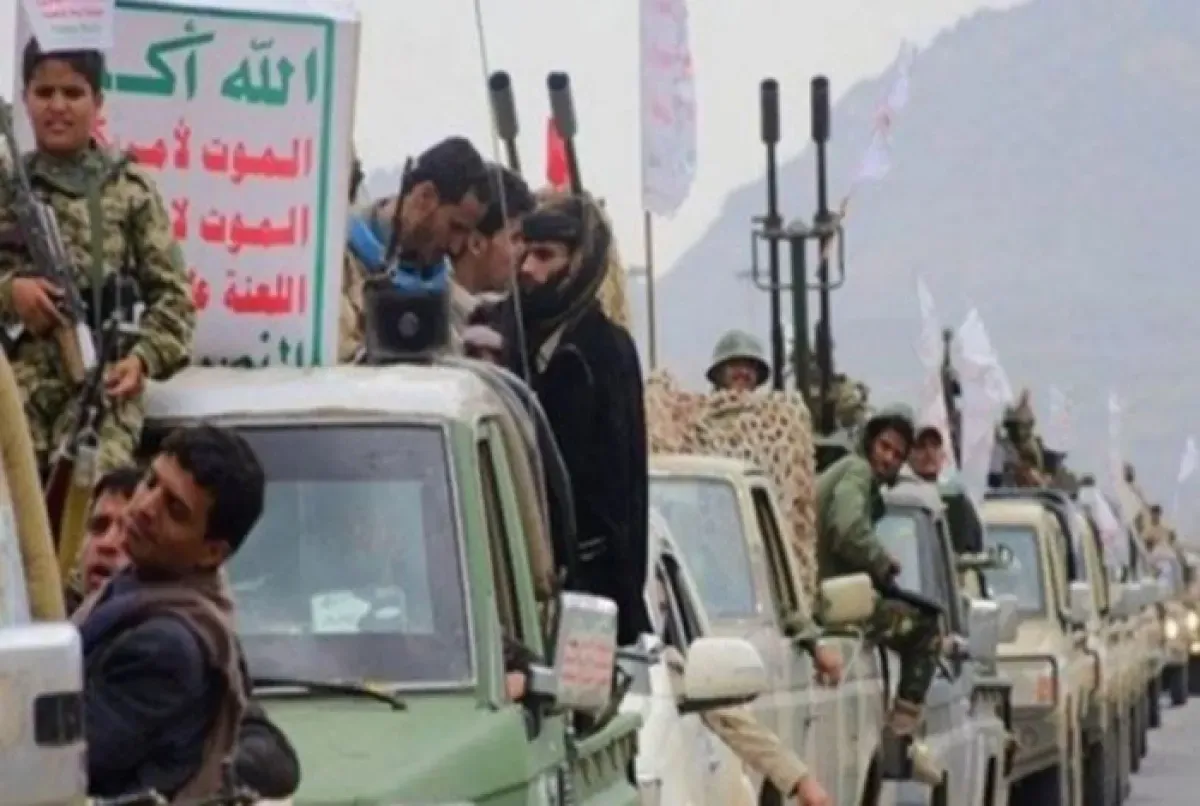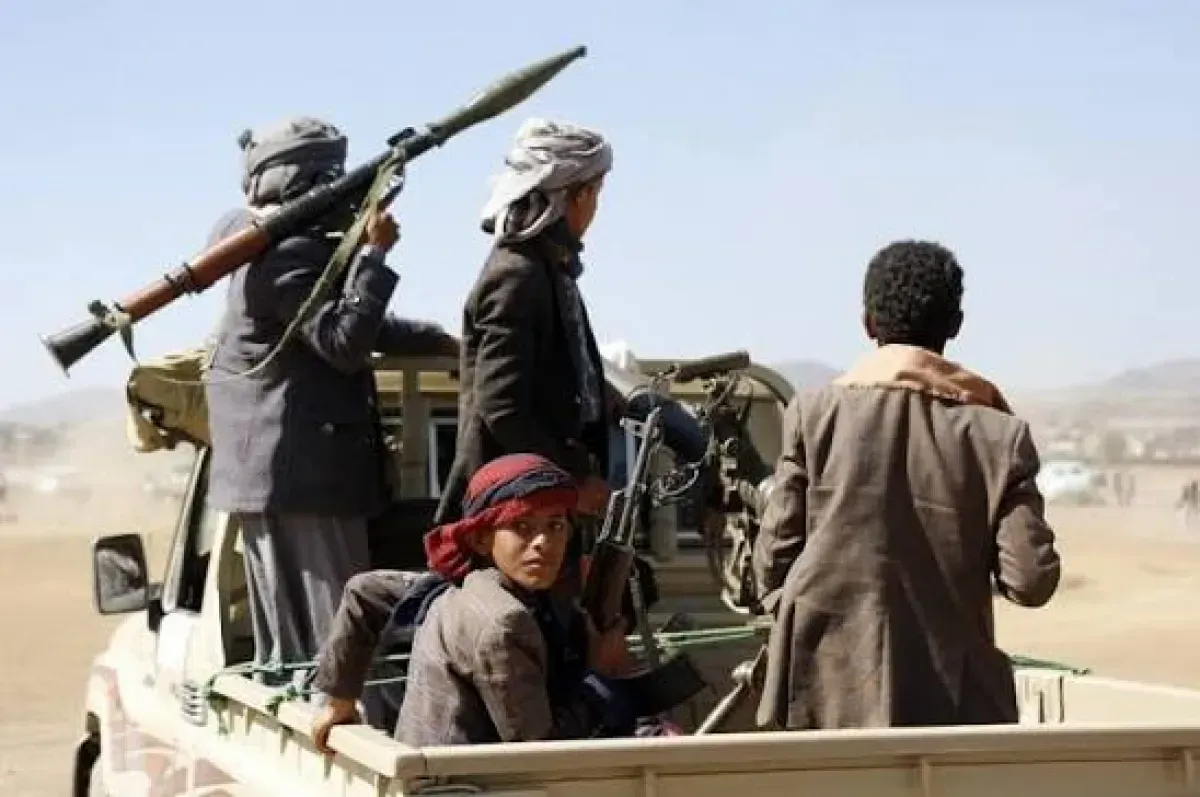



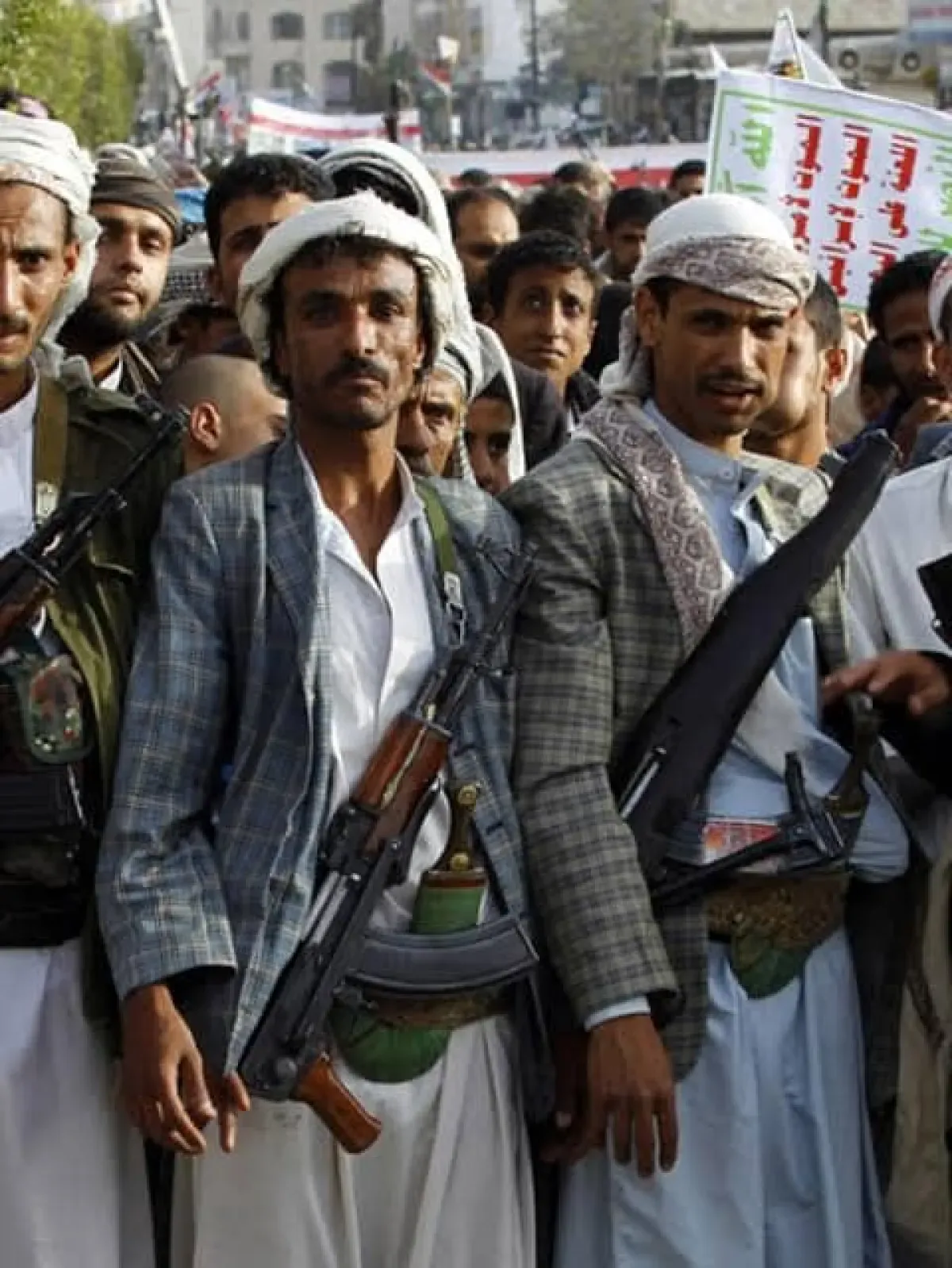
The Yemeni crisis has evolved beyond a simple civil war or political power struggle into one of the Middle East's most complex predicaments, characterized by internal division, regional interventions, economic collapse, and a humanitarian catastrophe. At the heart of this turmoil are the Houthi militias, who have forcefully asserted their dominance, fundamentally altered the Yemeni state, and plunged the nation into an unprecedented era of fragmentation and conflict. Observers note that the events in Yemen represent not merely a political coup but a radical transformation that has reshaped state institutions, altered societal dynamics, and inextricably linked the country's future to regional conflicts extending beyond its borders. The Houthi militia originated in the northern province of Saada, initially leveraging a limited tribal base. Their expansion was gradual, occurring over years of conflict with the state, which sought to contain their growth through six wars that inflicted significant setbacks. However, following the state's institutional collapse amidst the chaotic events of 2011, the militia seized a unique opportunity to expand, exploiting the political and security vacuum. By September 2014, the militia had seized the capital, Sanaa, initiating a new phase of conflict that ultimately led to a full-scale war and the intervention of the Saudi-led Arab coalition in March 2015, in support of the internationally recognized Yemeni government. The ensuing war fractured not only the military but also the social fabric that had long served as a cornerstone of Yemeni cohesion. Tribes became divided, families were separated by warring factions and spheres of influence, and relationships built on kinship, trade, and proximity devolved into political and military polarization. Experts emphasize that the erosion of trust among societal components is among the most damaging legacies of the war, with repercussions likely to persist long after military operations cease. A critical consequence of the Houthi takeover, according to analysts, has been the weakening of state institutions and their repurposing to serve the militia's agenda. Military, security, and administrative bodies underwent extensive restructuring, and the state's administrative apparatus saw significant changes, including the appointment of loyalists to decision-making positions. This directly impacted the performance of public service institutions. The institutional division also diminished the state's capacity to manage the economy, leading to the disruption of vital sectors, a worsening salary crisis, and a decline in essential services such as health, education, electricity, and water. The Yemeni economy has been one of the hardest-hit sectors by the war. The Gross Domestic Product (GDP) has experienced a sharp contraction, employment opportunities have dwindled, and poverty rates have soared to unprecedented levels. The national currency has lost a substantial portion of its value, severely diminishing citizens' purchasing power. Production sectors have been crippled, ports and economic facilities damaged, and the majority of Yemeni households have become increasingly reliant on humanitarian aid and remittances to meet their basic needs. Concurrently with the economic collapse, humanitarian conditions have deteriorated dramatically. According to recent United Nations reports, over twenty million Yemenis require some form of humanitarian assistance. Millions have been displaced by the war, and healthcare and educational infrastructure have suffered extensive damage. The conflict has also widened the scope of poverty and malnutrition and deprived millions of children of education, contributing to one of the world's most complex humanitarian crises. The Yemeni conflict is no longer an internal affair; it has become intertwined with regional rivalries. The internationally recognized legitimate government, along with Western and regional nations, accuse Iran of providing military and technical support to the Houthi militias, including missiles and drones. This has transformed Yemen into an arena for indirect confrontation between competing regional powers. The conflict has also impacted the security of international navigation in the Red Sea and the Bab al-Mandab strait, with attacks on commercial vessels raising international concerns about the safety of one of the world's most vital maritime routes. Saudi intervention has been a prominent aspect of the Yemeni crisis since 2015, driven by national security considerations stemming from the long shared border and missile and drone attacks targeting Saudi territory during the war. Beyond its military role, the Kingdom has emerged as the largest provider of humanitarian and developmental aid to Yemen, in addition to sponsoring several political initiatives aimed at achieving a ceasefire and promoting a comprehensive settlement. Analysts believe that any sustainable political solution to the Yemeni crisis remains contingent on Saudi Arabia's role, given the Kingdom's significant political and geographical influence in the Yemeni file. Recent developments have seen increased pressure on the Houthis' military capabilities, restrictions on most entry points, and escalating international pressure on the militia. However, this relative decline has not yet translated into an improvement in the humanitarian situation, as the country continues to face dire living conditions, and political stalemate persists, hindering a final resolution to the suffering of Yemen and its people. |