


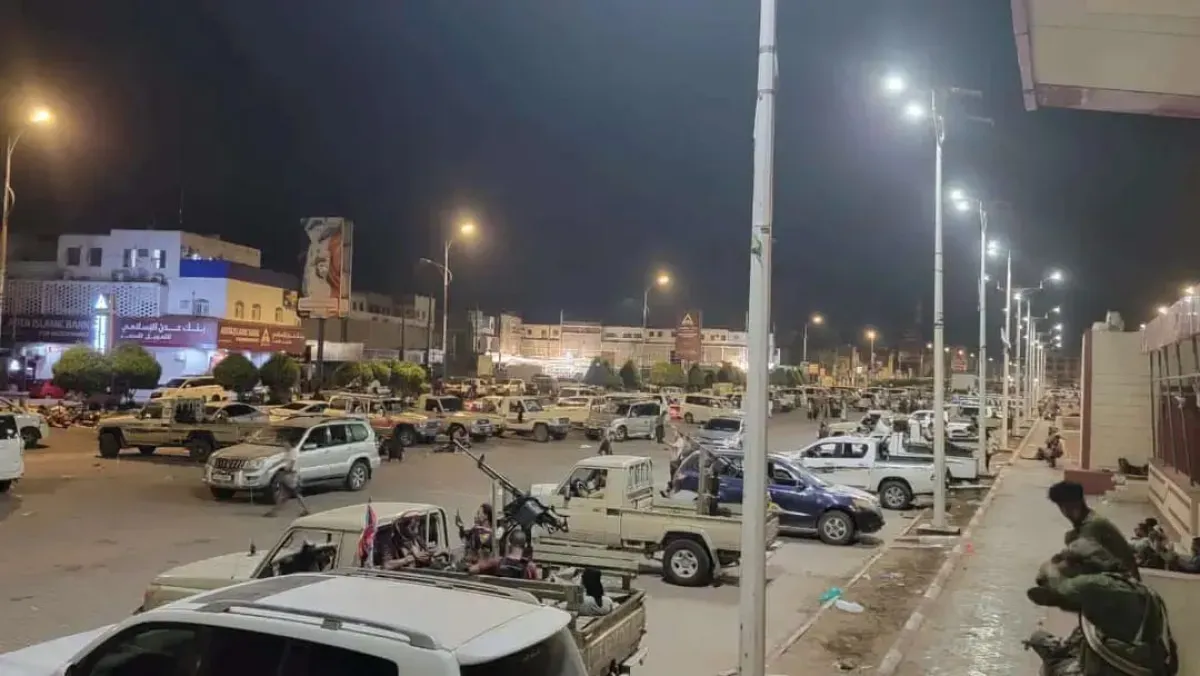
Tribal pressure in Aden has disrupted a planned prisoner exchange with Houthi militias, following objections from thousands of tribal fighters against the inclusion of individuals accused of assassination and bombing, including those implicated in the killing of military commander Major General Thabet Jawas. Aden witnessed unprecedented escalation in recent days as tribal gatherings convened in response to a call by the Radfan tribes during a broad meeting in Al-Mansoura city, later joined by tribes from Dhale'a. On Friday, participants congregated near the central prison, where the accused are held, and blocked the main road, demanding that they not be released and be brought to justice. Intense security and precautionary measures were in place. Tensions rose with circulating information about an intended exchange deal that included the accused, sparking widespread rejection among tribes who asserted that releasing individuals accused of assassination and bombing crimes transgressed the rights of victims and undermined the course of justice. Amidst the escalating unrest, the administration of the central correctional facility in Al-Mansoura issued a statement denying reports of any releases and confirming the detainees remained in custody. However, the statement failed to placate protesters, who continued to mobilize supporters and escalate their demands, threatening military action against Aden if the deal proceeded. Witnesses reported that the crowds later moved to the parade grounds in Khor Maksar district, where armed military groups affiliated with the Southern Transitional Council joined them with dozens of vehicles. This development raised concerns about a widening security tension. Local sources indicated that authorities deployed military reinforcements to Aden concurrently with ongoing protests in an attempt to contain the situation and prevent potential confrontations. Tribal and local sources reported that mediations in recent hours led to assurances for the crowds that the accused would not be released. Sources indicated that Commander Othman Muwada informed protesters that he received guarantees for the detainees' continued imprisonment after a visit accompanied by Ali Al-Nuby and Fahd Al-Marfady. Mediators stipulated that Fahd Al-Marfady be assigned to manage the prison as part of the proposed understandings. Multiple sources and eyewitnesses stated that tribal crowds began withdrawing from the parade grounds on Saturday after receiving pledges to halt the exchange deal and review the included names, which helped reduce tension in the city. Conversely, media outlets cited a government source stating that the postponement of the deal was due to logistical reasons and the government's desire to review several clauses and names on the exchange lists before finalizing procedures. However, this narrative appeared to conflict with statements from the head of the government's negotiating team for prisoners and detainees, Sheikh Hadi Hejj, who announced that the team received notification from the International Committee of the Red Cross and the UN envoy's office in Yemen on Friday, indicating the Houthi militias' refusal to implement the deal on schedule and its indefinite postponement. In a statement to the official Saba agency, Hejj accused the Houthi militias of sabotaging the exchange deal, asserting that the government team had completed all necessary procedures for the operation as per the UN-sponsored agreement, and that the militias had created obstacles preventing its execution. He added that blaming the government for the deal's failure contradicts the facts, noting that the Houthis, in his words, continue to exploit the file of prisoners and detainees as a tool for political, military, and economic blackmail, at the expense of the suffering of thousands of Yemeni families awaiting the release of their relatives. The failure of this recent exchange deal highlights the significant complexities surrounding the prisoner issue in Yemen. Disagreements are no longer confined to negotiations between the government and Houthi militias but have extended to internal objections regarding the inclusion of individuals accused of criminal acts and assassinations in exchange lists, threatening to introduce new obstacles to one of the most sensitive humanitarian files since the outbreak of the war. |