


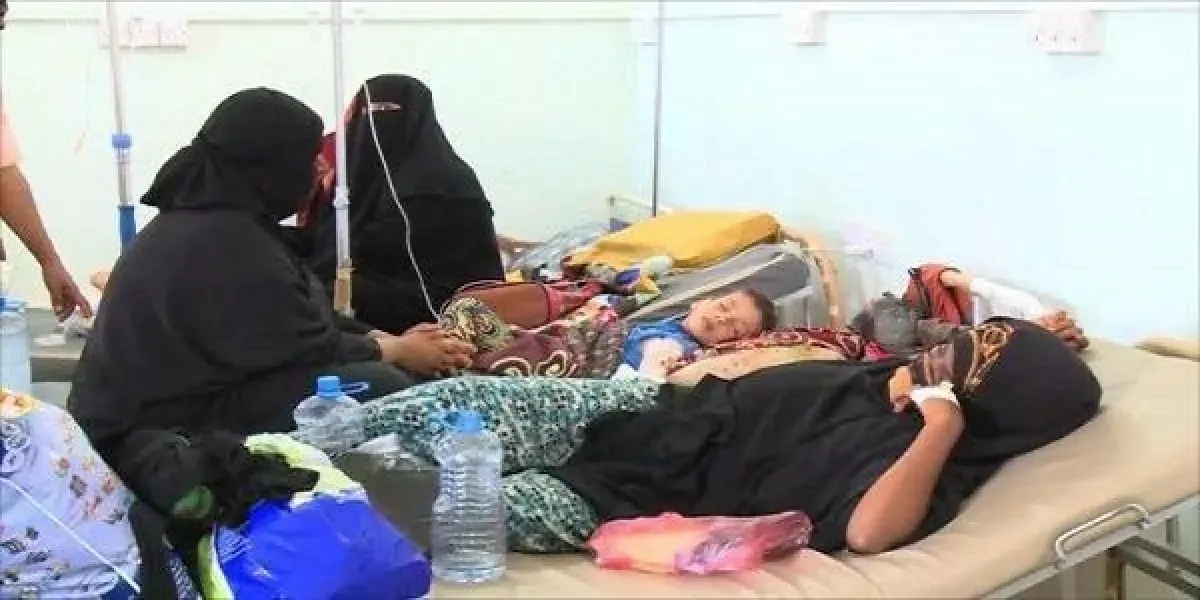
Taiz province has recorded more than 22,000 cases of malaria since the beginning of 2026, a significant increase compared to previous years, health officials have reported. Taysir Al-Samai, the health media official for Taiz governorate, stated that this surge necessitates intensified preventive and awareness efforts to curb the disease's spread. Al-Samai highlighted that malaria remains a prominent health challenge in Yemen, with the World Health Organization indicating that approximately 64 percent of the country's population is at risk. Pregnant women and children under five years old are identified as the most vulnerable groups to the disease and its complications. Health studies suggest that between two and three million people contract malaria annually in Yemen, with a mortality rate of around one percent of total cases. This underscores the substantial challenge posed by the disease to the health sector and society. Al-Samai emphasized that prevention is the most effective strategy against malaria. He urged citizens to adhere to preventive measures, including eliminating mosquito breeding sites, draining stagnant water, and using personal protection methods and mosquito nets, particularly in areas prone to disease transmission. He stressed the importance of enhancing community health awareness and correcting misconceptions about malaria, noting that reducing its spread requires active participation from all societal segments and institutions. Media outlets and social media platforms play a pivotal role in disseminating health messages and educational content to raise awareness about malaria risks and prevention methods, thereby contributing to public health protection and reducing infection rates. Al-Samai called for a consolidated effort from official bodies, organizations, and the local community to bolster preventive interventions and combat malaria, safeguarding citizens' health and mitigating the health and economic repercussions of the disease's proliferation. |