


Arab Spring Sees Decline of Muslim Brotherhood Branches Amid Legal and Political Pressure
|
1 hour ago
A-
A+
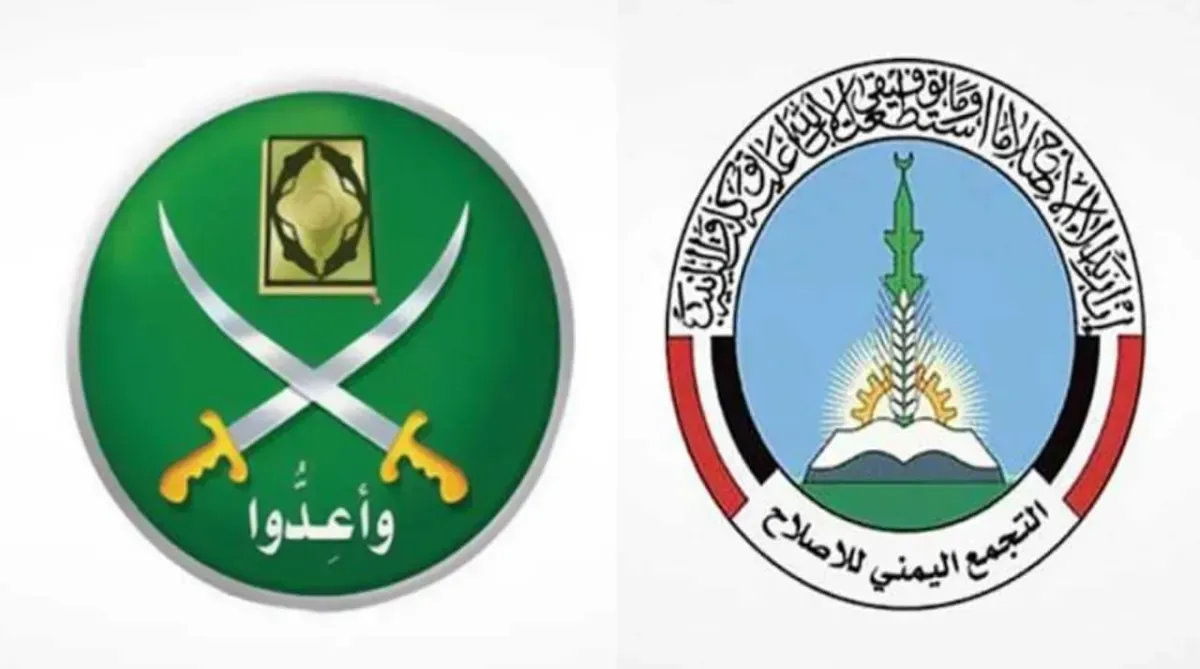
The political and security landscape across the Arab world is undergoing dramatic and rapid transformations, reshaping power balances and signaling the decline of a controversial transnational organization. Recent judicial rulings against leaders of the Ennahda Movement in Tunisia have intensified scrutiny on the dwindling influence of Muslim Brotherhood branches throughout the region. The verdicts, which include lengthy prison sentences and life imprisonment for involvement in a clandestine apparatus, are seen as more than just domestic legal proceedings. They reflect a broader regional and international sentiment that environments are no longer conducive to organizations that leverage religion for political agendas and operate parallel security structures that undermine national sovereignty. Concurrently, the US administration is reportedly moving towards designating the Yemeni Islah Party, a key Brotherhood affiliate, as a terrorist organization. In Sudan, the Brotherhood's influence has significantly waned following its role in exacerbating social and political fragmentation. These converging indicators prompt analysts to question whether the time has come to end the presence of this organization in the Arab world, given its association with conflict and destruction. The Tunisian judicial decisions represent a significant blow to the group's political aspirations, revealing the existence of a clandestine security and intelligence unit within the Ennahda Movement. This highlights a consistent pattern within the Muslim Brotherhood of distrusting national institutions and establishing covert entities to secure control. The trials underscore the importance of legal accountability in purging societies of extremist ideologies and secret structures that threaten civil peace. In Yemen, the Islah Party faces increasing international pressure, with credible evidence linking its leadership to extremist groups. Intelligence reports suggest the potential US designation stems from this connection. The party's policies have been accused of prolonging the conflict and diverting resources away from national recovery efforts. The international spotlight on the Islah Party signifies a belated recognition of the threat posed by such affiliates to regional stability. The situation in Sudan mirrors this regional trend, with the Brotherhood facing unprecedented popular and political rejection after decades of authoritarian rule. The legacy of the Brotherhood's governance includes widespread corruption, civil wars, and the secession of South Sudan. Post-regime change, remnants of the organization are reportedly attempting to destabilize the country and obstruct democratic progress, with current conflicts seen as a direct consequence of the political and security obstacles they embedded. A common thread across all Arab branches of the Muslim Brotherhood is the adoption of an ideology of "empowerment," which views state and society as tools for organizational control, supplanting the concept of citizenship with blind loyalty. This has led to widespread human, political, and economic crises, with nations where the group has gained influence often descending into conflict and destruction. Their willingness to align with anti-Arab regional and international powers for narrow political gains has exposed their project as one of demolition rather than development. Experts agree that while security and judicial measures are crucial, they are insufficient to eradicate the threat posed by extremist ideologies. A comprehensive Arab strategy involving governments, educational institutions, religious bodies, and media is needed to counter the influence of the Brotherhood. This includes promoting a moderate religious discourse, improving socio-economic conditions, and enhancing education to protect younger generations from extremist recruitment. The current struggle is fundamentally one of awareness and intellect, essential for securing the future stability of the Arab world. The evidence on the ground suggests the Muslim Brotherhood's influence in the Arab world is waning. The judicial rulings in Tunisia, the US stance on the Islah Party, and the decline in Sudan are indicative of a new regional reality where national states are asserting their sovereignty against clandestine, extremist agendas. Arab populations have grown weary of destructive policies and are seeking a future based on law, citizenship, and development, making the region increasingly inhospitable to this extremist organization. |