


Taiz Electricity Crisis: State Control Lost Amidst Power Networks and Revenue Disputes
|
2 hours ago
A-
A+
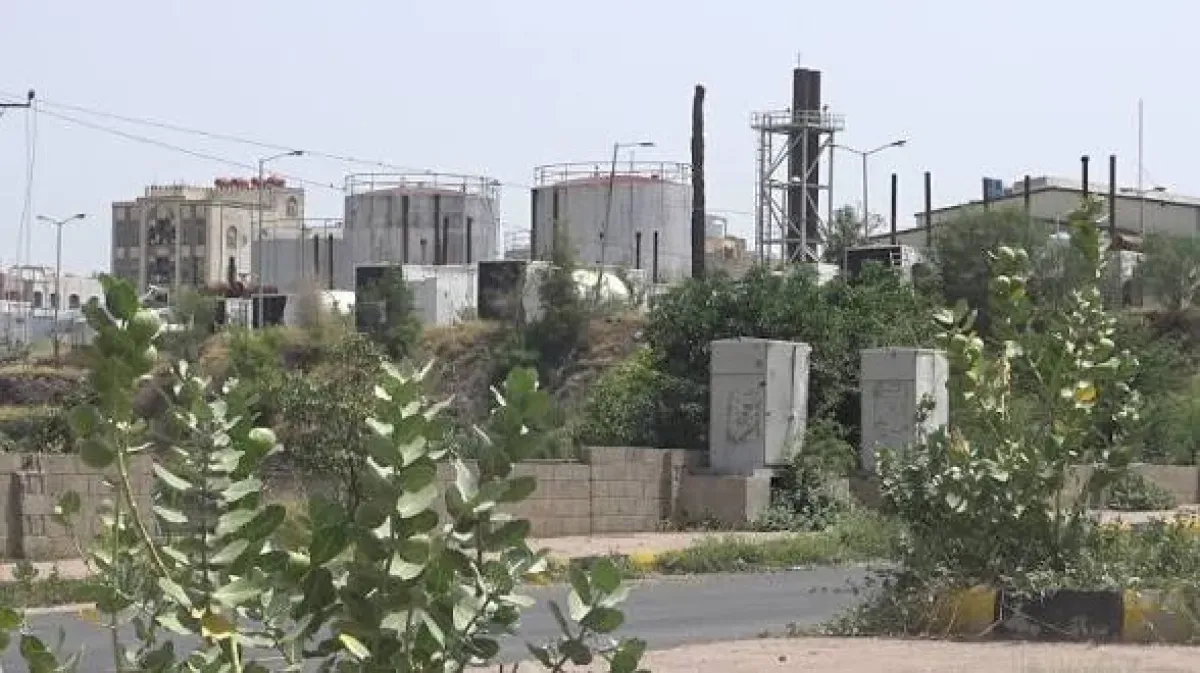
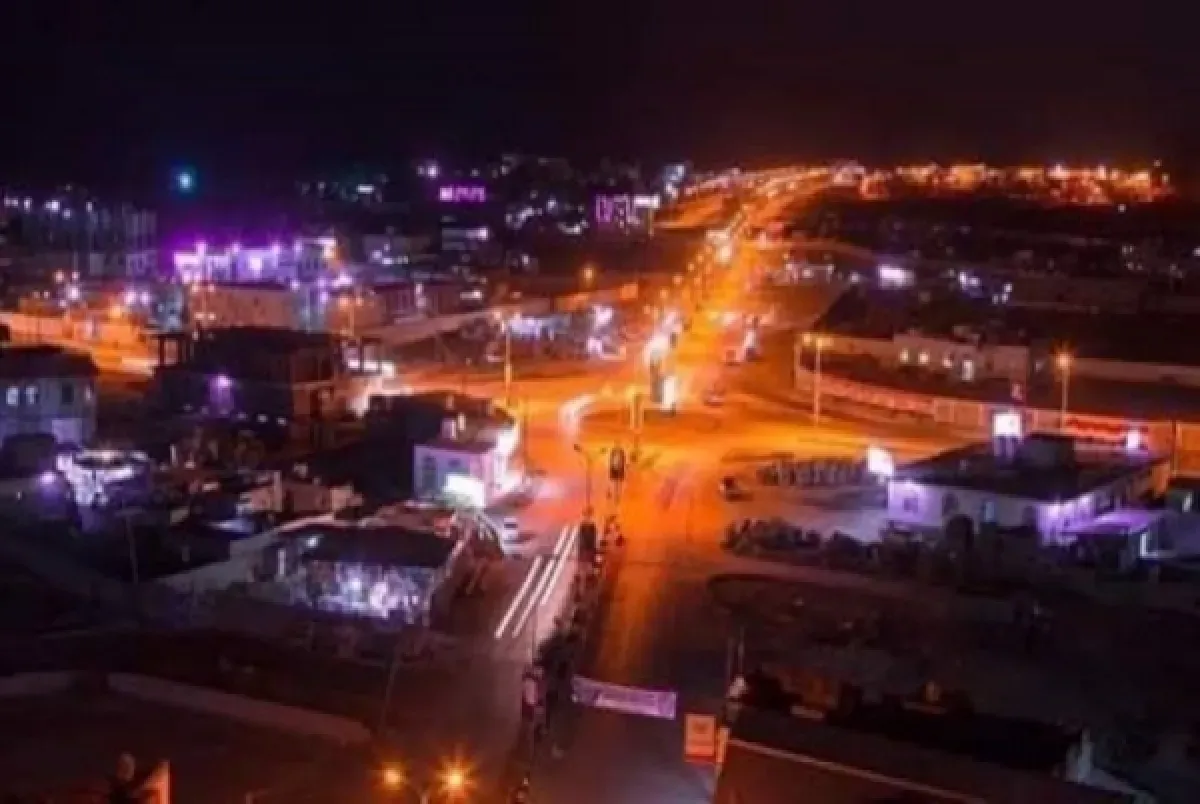
The electricity crisis in Taiz City has evolved beyond mere service disruptions to become a deeply entrenched and contentious issue, exacerbated by years of war, siege, and administrative division. As summer approaches, residents face intensified suffering, fueling accusations of powerful networks controlling the electricity sector, managing distribution, and collecting revenue outside official state institutions. Recent statements by the Minister of Electricity and Energy, Adnan Al-Kaf, confirming the government's loss of control over Taiz's electricity and the division of distribution zones among influential entities, have reignited questions about the forces managing this vital sector, the revenues collected, and the persistent failure of successive governments to establish a stable electricity system. Since the outbreak of war and the shutdown of most government power generation plants, Taiz has endured a prolonged period of service collapse, with the electricity sector being a primary victim. The state grid sustained extensive damage, main supply lines were severed, and residential areas gradually became dependent on commercial generators and private subscriptions, temporary solutions that expanded in the absence of state presence and institutional weakness. Over time, electricity ceased to be managed as a unified sovereign utility, transforming into a complex network where economic interests, local influence, and informal authorities intersect. This created a new reality characterized by multiple control centers for the service, with varying levels of supply, pricing, and revenue collection across different districts. Residents report that their suffering extends beyond continuous power outages to include exorbitant subscription fees, a lack of oversight on service quality, and an inability to identify or hold accountable the entity truly responsible for managing the sector. The minister's description of the situation is supported by many within the sector who view Taiz's electricity as a battleground for administrative, financial, and political influence, lacking a central authority capable of asserting full control over operations and revenue collection. Sources within the sector indicate that some distribution areas are managed decentrally, with local entities and contractors overseeing collection and operations, amidst allegations of significant economic interests tied to the perpetuation of this unstable situation. The multiplicity of controlling entities has weakened the official institution's ability to reclaim its role, fragmented revenues, and created a lack of transparency regarding collected funds and their allocation, at a time when the city requires substantial investment to rehabilitate its devastated infrastructure. Observers believe the electricity crisis in Taiz is intrinsically linked to the war economy that has developed across various service sectors. With the collapse of state institutions, interest networks emerged, profiting from the existing vacuum, and transforming essential services into sources of income and influence rather than government responsibilities subject to oversight and accountability. In this context, the trade in electric generators and commercial subscriptions has become a highly profitable activity within the city. Thousands of residents rely on private electricity at prices that are high relative to their deteriorating income levels, while government electricity remains insufficient to meet basic needs. Activists assert that the continuation of this situation benefits those who profit from the crisis, making any attempt to reorganize the sector or impose centralized management face numerous obstacles, both administrative and economic. The electricity crisis mirrors the broader state of division and fragmentation within Yemen's institutions, particularly in Taiz. Once known for its civil and cultural history, the city now faces a complex reality where local authorities are intertwined with partisan, economic, and security influences, making the management of service files exceedingly difficult. Analysts suggest that the absence of a clear government vision for rebuilding the electricity sector has deepened the crisis, especially with the continued reliance on temporary fixes and emergency solutions, rather than implementing sustainable strategic projects to restore a stable electricity grid capable of meeting residents' needs. Furthermore, declining government support and insufficient funding for rehabilitation have exacerbated the sector's fragility, even as the population grows and daily electricity demands increase for homes, hospitals, educational institutions, and other services. Amidst this complex landscape, the citizens of Taiz remain the most affected by the ongoing electricity collapse. Families endure long hours in darkness, students struggle to study, small business owners incur additional costs to run generators, and patients' suffering intensifies with rising temperatures and declining energy-dependent medical services. Residents state that the electricity crisis has become an integral part of daily life, and repeated government promises have failed to bring about tangible change, leading to widespread public anger and a loss of confidence in the authorities' ability to resolve the issue. In working-class neighborhoods, the crisis is even more severe, as many families cannot afford commercial subscriptions, forcing them to live in difficult conditions, especially during the summer when electricity demand surges. Minister Al-Kaf's statements have generated significant political and media reactions, representing one of the clearest official acknowledgments of the government's loss of control over Taiz's electricity sector. Observers view these statements as an official recognition of the sector's deep-seated imbalances and the challenges the government faces in reasserting its role in one of Yemen's key cities. However, activists argue that acknowledging the problem is insufficient; practical steps are needed, including reorganizing the sector, unifying revenues, placing all distribution and collection under state oversight, and conducting transparent investigations into the fate of financial resources collected over past years. Experts believe that rescuing Taiz's electricity requires a comprehensive project that moves beyond temporary solutions, focusing on rebuilding infrastructure, rehabilitating grids and plants, and imposing unified institutional management free from political disputes and interest networks. They also emphasize the importance of government and international support to stably restart the sector, recognizing electricity as a cornerstone of economic and service recovery in the city. As the crisis persists, Taiz remains caught between promises of reform and the reality of collapse, with residents hoping for the restoration of a service that has, over the years, transformed from a basic right into a deferred daily dream in a city worn down by war, contested by power centers, and submerged in a prolonged darkness whose end is not in sight. |