


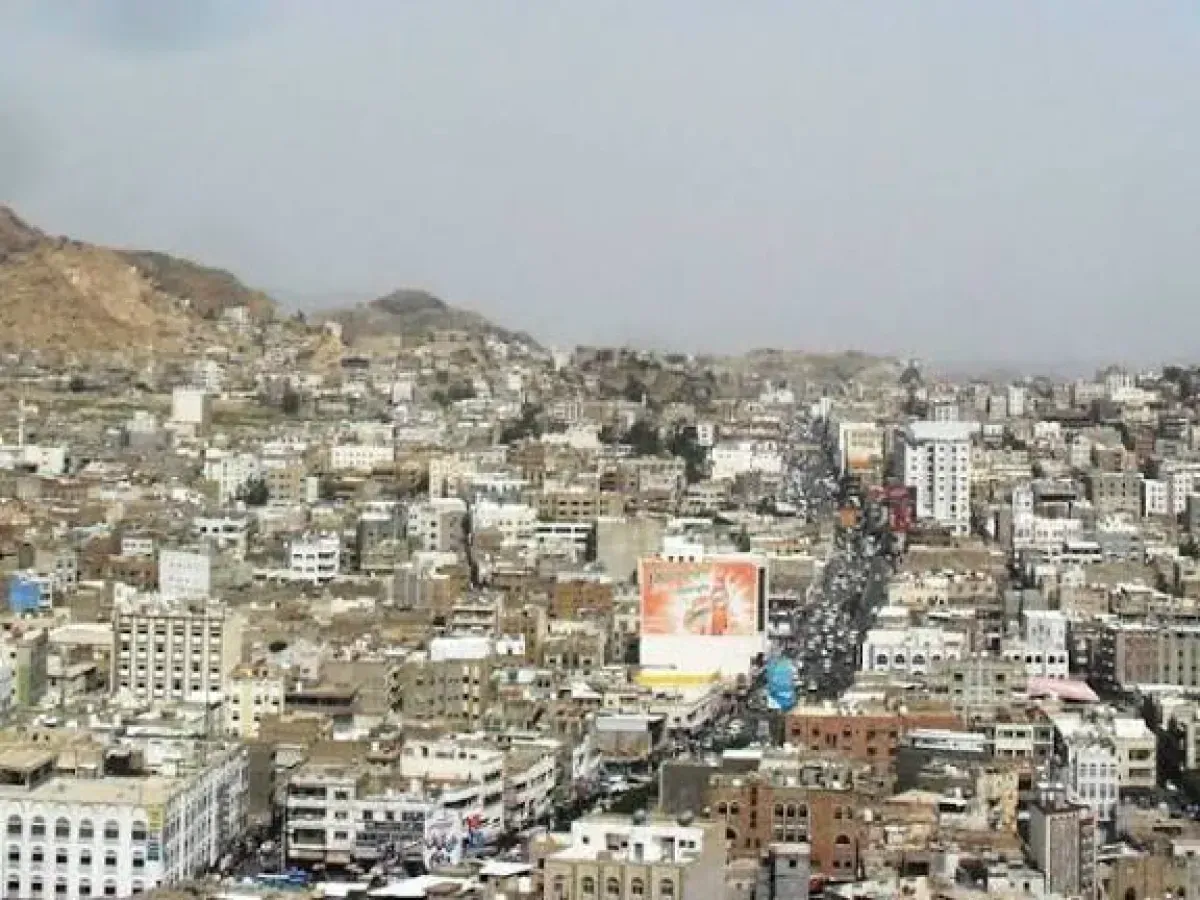
Reports indicate that the Muslim Brotherhood, also known as the Reform Party, has established a parallel administration in Taiz, Yemen, effectively controlling key administrative functions under the guise of legitimacy. This phenomenon, locally termed "bearded bureaucracy," signifies a comprehensive bureaucratic seizure that extends beyond political alliances. The Brotherhood's strategy reportedly involved a subtle infiltration of administrative structures through the systematic use of temporary appointments. These provisional roles have allegedly been transformed into permanent positions for party cadres, including Director-General and Deputy Governor roles. While official statistics may suggest a power-sharing arrangement with other political factions, on-the-ground observations suggest that critical executive offices and revenue-generating bodies are controlled by individuals loyal to the organization rather than the governorate. This strategic empowerment has targeted institutions that enable control over public opinion and resources. The education sector, in particular, is cited as a primary focus of this "Ikhwanization," with school principals and department heads allegedly replaced by ideologically aligned individuals. This move is seen by observers as an attempt to reshape the collective consciousness of the youth in accordance with the organization's doctrines, a process described as "clouding the future" through the politicization of education. Beyond overt military control, the organization has allegedly built a network of administrative interests within executive offices responsible for financial and service resources. This is reportedly achieved by appointing loyalists to deputy, secretariat, or departmental director positions within sensitive offices. These individuals allegedly control the documentary flow of decisions, rendering any external Director-General largely a figurehead with limited actual authority. Information from within the governorate's administrative offices suggests that appointments in crucial revenue-generating departments, such as transportation and taxation, undergo rigorous organizational vetting to ensure only loyalists are appointed. This has allegedly led to the bureaucratic isolation of independent cadres or those belonging to other political parties, resulting in administrative bloat and a decline in public services, with organizational loyalty prioritized over competence and integrity. A further dimension of this alleged bureaucratic control is the militarization of public office. Hundreds of educational and civilian figures affiliated with the party have reportedly been granted high military ranks and integrated into military and security payrolls, subsequently redeployed to administrative roles within security forces. This fusion of military and civilian responsibilities has allegedly created a class of security officials with a partisan mindset, contributing to the suppression of public freedoms and the persecution of activists critical of the party's policies under security pretexts. Political analysts suggest that this administrative penetration provides legal protection for the party's on-the-ground practices. The subordinate bureaucracy allegedly acts as a shield against oversight and accountability for leadership. Furthermore, it is believed to facilitate the diversion of humanitarian aid and international grants to serve the party's popular base, thereby strengthening its capacity for future political mobilization and electoral gains by leveraging state resources. The direct consequence of this alleged "bearded bureaucracy" is the transformation of Taiz into a closed canton managed by a centralized party mentality. The governorate's human and material resources are reportedly being depleted to bolster the organization's influence at the expense of state-building efforts. Amidst growing public discontent over deteriorating services and security lapses stemming from power struggles, there is an urgent need to liberate public administration from partisan dependency and reinstate civil service standards to restore the state's authority in Taiz. Ultimately, the question remains regarding the supreme legitimate authority's ability to curb this alleged administrative overreach. It is yet to be seen whether popular pressure and rights-based demands will succeed in dismantling this organizational control and returning Taiz to all its citizens, free from the dominance of a single political faction that has allegedly monopolized decision-making and turned government offices into closed organizational enclaves. |