


Marib's Sovereign Resources: Financial Control Lacking, Held Hostage by Partisan Interests
|
1 hour ago
A-
A+
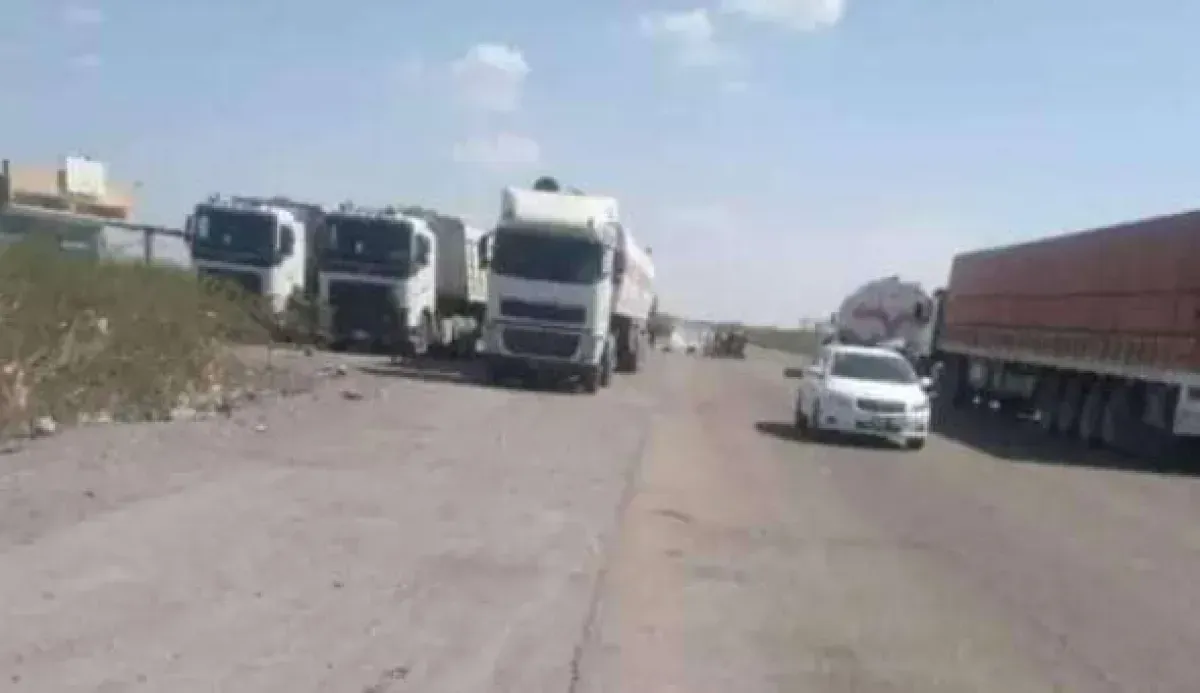
The Yemeni province of Marib, a critical hub for the nation's oil and gas production, faces significant challenges in the financial management of its sovereign resources, with accusations of a lack of transparency and diversion of revenues away from the state treasury impacting the country's economic and service sectors. Marib is distinguished as a strategic center for energy production in Yemen, possessing vital infrastructure including oil fields and gas processing plants. The management of these resources has been a sensitive issue, intrinsically linked to the interests of both the state and its citizens. Local reports indicate that influential political entities, notably the Islah Party (Yemen's Muslim Brotherhood), have exerted considerable influence over the administration of Marib's resources. According to these accounts, substantial portions of oil and gas revenues have not been fully remitted to the central bank or public treasury, with some funds allegedly channeled through unofficial avenues. Observers highlight a significant deficit in oversight and accountability mechanisms, characterized by the absence of clear, publicly accessible financial data regarding production volumes, revenues, and expenditure. This opacity has fueled speculation and criticism concerning the potential for these resources to be exploited for narrow political or partisan objectives. Amidst Yemen's ongoing economic crisis, the revenues generated from Marib were expected to bolster essential services and support the national currency. However, persistent challenges in sectors such as electricity, water, and salary payments have raised pertinent questions about the disposition of these revenues and their actual benefit to the populace. Economic experts and activists are increasingly calling for transparent institutional oversight of Marib's oil and gas sector, demanding that all revenues be deposited into the central bank to ensure their allocation for the public good. They emphasize the necessity of publishing regular reports detailing production and spending to foster trust and accountability. The management of Marib's sovereign resources remains a crucial test of commitment to transparency and good governance principles. Amidst allegations and denials, there is an urgent need for practical measures to ensure that the nation's wealth serves all Yemenis, free from narrow considerations. |