


Yemen Navigates Regional Storm as Iran-US-Israel Tensions Reshape Political Landscape
|
11 hours ago
A-
A+
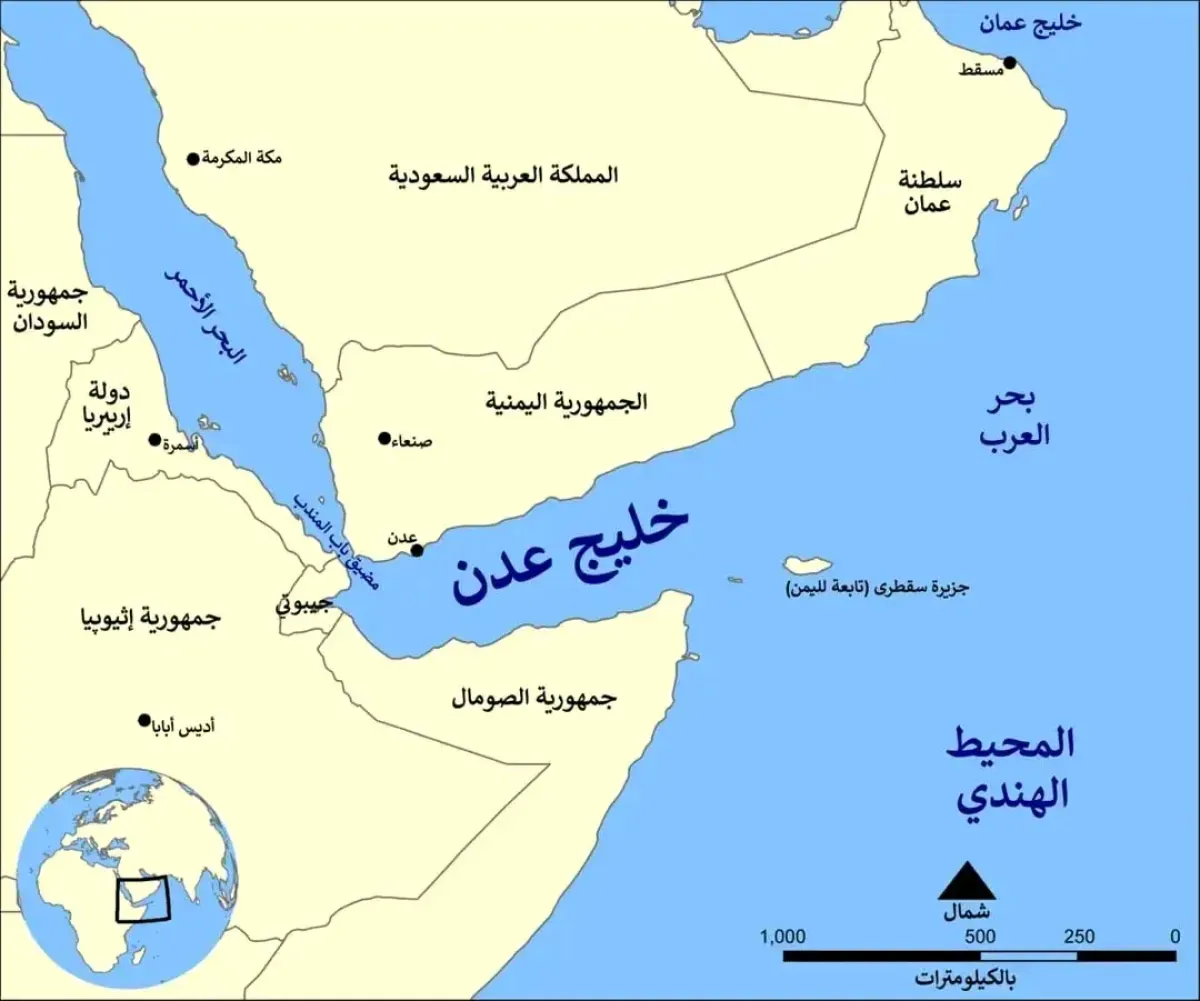
Amidst escalating regional tensions since late February 2026, the confrontation between the United States and Israel on one side, and Iran on the other, has transcended its immediate geographical scope to become a pivotal event reshaping power dynamics across the Middle East. While major capitals grappled with the repercussions of reciprocal military strikes, other arenas, notably Yemen, experienced profound, albeit silent, impacts far from the direct spotlight. Yemen, already weakened by years of war and division, finds itself once again at the nexus of complex regional calculations. Here, opposing interests converge, and military and political agendas intertwine, rendering the nation an undeclared stage for a strategic realignment without a full-scale eruption of its internal conflicts. The Yemeni theatre is now a critical, yet quiet, component of the broader regional struggle. The political geography and strategic location of Yemen along international shipping lanes make it an integral part of the regional security equation. The recent escalation prompted questions about the extent of its internal impact and whether Yemen would become an active front in the wider conflict or remain in a state of "strategic freeze." Current field data suggests that Yemen has not witnessed military escalations commensurate with the regional tension, indicating a tacit understanding among key actors to maintain control over the Yemeni front, at least for the present phase. Within Houthi-controlled areas, the influence has been palpable, though not manifested in direct military engagement. The militia, a key Iranian proxy, has refrained from direct confrontation with Gulf states during this escalation, a notable shift from its previous conduct and indicative of a strategic recalibration aligned with Tehran's approach to managing the current conflict. Instead of opening multiple fronts, Iran appears to be preserving its regional assets as deferred leverage, deployable at a more opportune moment. Internally, the Houthis have intensified their mobilization rhetoric, framing regional events within a "grand confrontation" narrative, while also announcing unsubstantiated and unserious missile and drone targeting of Israel. This strategy aims to bolster internal cohesion and justify continued stringent security control, complemented by amplified media activities to position the militia as an active participant in a regional axis. Conversely, the internationally recognized Yemeni government has found a political opportunity to reinforce its narrative amidst growing discourse on the dangers of Iranian influence. This context has provided a broader platform to assert its understanding of the conflict's nature and its regional dimensions. However, these political gains have had limited tangible impact on the ground, failing to translate into significant shifts in the military balance of power. Government-controlled areas have faced additional challenges, including economic pressures stemming from regional tensions, rising living costs, and disruptions to international supply chains. Furthermore, the international community's preoccupation with the larger escalation has diminished focus on the Yemeni file, weakening prospects for near-term political breakthroughs. Despite indicators that suggested a potential expansion of the conflict, the Yemeni front has remained relatively calm. This tranquility reflects not stability, but a delicate balance between the desire to avoid escalation and the maintenance of readiness. Strategic analysis suggests that all parties recognize the unpredictable consequences of fully opening the Yemeni front, given the intricate web of interests and the multiplicity of actors involved. Moreover, any significant escalation could threaten vital maritime corridors and impact the global economy, a scenario undesirable for global powers at this juncture. As tensions in the Gulf intensified, the importance of maritime routes connected to Yemen, particularly the Red Sea and the Bab el-Mandeb Strait, grew significantly. These areas are critical arteries for global trade, and any threat to them could have far-reaching repercussions. Despite this heightened importance, these regions have not become open theaters of confrontation, reflecting a deliberate international effort to keep them outside the scope of direct conflict. This caution does not negate the risks but signifies the existence of implicit red lines governing the behavior of involved parties. Socially, regional developments have influenced the general mood in Yemen, with citizens experiencing a state of anxiety and anticipation. In Houthi-controlled areas, mobilization rhetoric has increased, alongside concerns about the militia potentially drawing Yemen into a large-scale war that the country, already facing a near-total collapse of basic services and living standards, can ill afford. In government-controlled areas, economic anxieties have surfaced, coupled with continuous anticipation regarding the fate of the Houthi militias and their reactions to the severe military strikes and economic sanctions imposed by the United States on Tehran. This disparity in impact does not negate a shared sense of uncertainty, as all parties recognize that further escalation could plunge the country back into a cycle of violence after years of suffering. One of the most prominent conclusions drawn from the current landscape is Yemen's transformation into what can be described as a "deferred front." Rather than serving as a direct arena of confrontation, it has become a strategic card to be played within broader calculations, contingent on the evolution of regional conflict. This situation imbues Yemen with strategic importance but also exposes it to volatility, with the potential to shift from relative calm to an active conflict zone at any moment should calculations change. The recent escalation has revealed a shift in Iran's conflict management strategy, appearing to favor direct tools over the widespread activation of proxies. This does not signify abandonment of these proxies but rather their repurposing within a more cautious strategy. In this context, Yemen retains a special status as a key site of Iranian influence and a potential asset in later stages of the conflict. Gulf states, directly affected by the attacks, have sought to contain the escalation and avoid widening the confrontation. This approach is reflected in their handling of the Yemeni file, where they have avoided pushing for major escalations, maintaining a degree of de-escalation while bolstering their defensive readiness. This balance between containment and preparedness underscores an awareness of the sensitive phase and a commitment to preventing a descent into a comprehensive war with potentially prohibitive costs for all involved. The Yemeni scenario, within these developments, remains open to multiple possibilities. The current situation might persist, with fronts remaining relatively calm while political and media tensions escalate. Alternatively, the Yemeni front could be activated should the regional conflict intensify, particularly if parties decide to deploy their deferred assets. In contrast, these developments might create an opening for political opportunity if regional escalation is contained and international focus returns to the Yemeni file. In conclusion, Yemen has been profoundly affected by the regional escalation, but this impact has not manifested as a direct military explosion. Instead, it has resulted in a reshaping of calculations, a freezing of fronts, and the transformation of the country into a pawn in a larger game. This reality places Yemen in a precarious position, experiencing a state of cautious calm above ground that still holds all the elements of potential ignition. Amidst regional calculations and internal challenges, Yemen's future remains contingent on developments that may not originate within its borders but will directly determine its destiny. |