


Yemen Navigates Regional Tensions Amidst Iran-US-Israel Standoff
|
14 hours ago
A-
A+
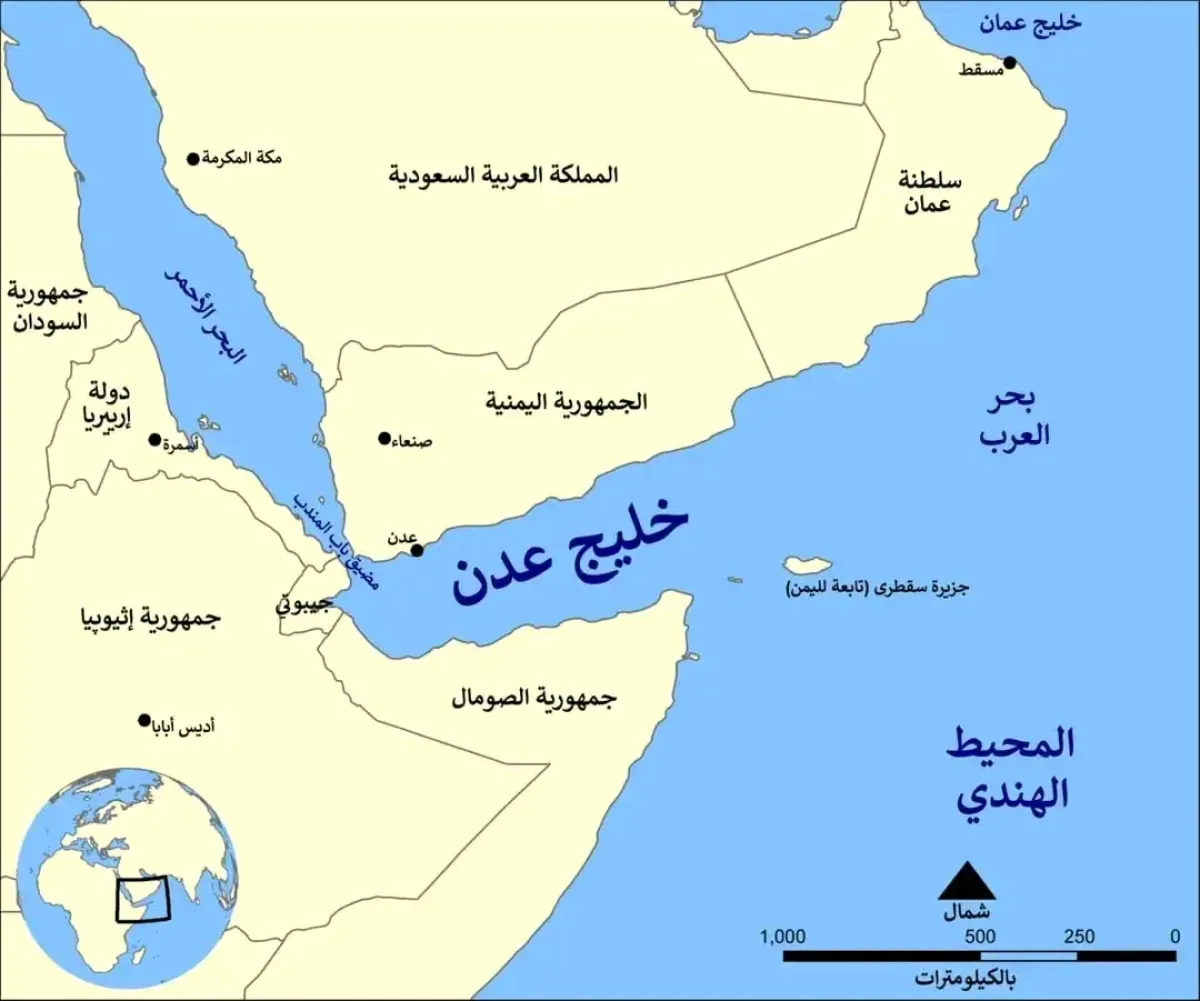
Yemen finds itself indirectly impacted by the escalating regional conflict between Iran, the United States, and Israel, a confrontation that began in late February 2026. While major powers focus on direct military exchanges, Yemen, a nation already ravaged by war, is experiencing profound repercussions without becoming a primary battlefield. The geopolitical landscape of Yemen, coupled with its strategic location along vital international shipping lanes, has intrinsically linked its security to the broader regional equation. The recent surge in regional tensions has raised questions about Yemen's potential role as an active front versus its maintenance in a state of "strategic freeze." Current field data suggests that Yemen has not witnessed a military escalation commensurate with the regional tension, indicating a tacit agreement among key actors to keep the Yemeni front contained for the time being. Within Houthi-controlled territories, the impact is palpable, though not in the form of direct military engagement. The militia, a key Iranian ally, has refrained from direct confrontation with Gulf states during this period of heightened tension, a notable shift from its previous posture. This strategic recalibration appears to align with Tehran's broader approach to managing the current conflict, potentially reserving regional proxies as deferred leverage. Internally, the Houthis have intensified their mobilization rhetoric, framing regional events within a "grand confrontation" narrative and claiming missile and drone strikes against Israel, though these remain unverified and unsubstantiated. This narrative serves to bolster internal cohesion and justify continued stringent security control, alongside amplified media activity to position the militia as an active player in a regional axis. Conversely, Yemen's internationally recognized government has found a political opportunity to bolster its narrative amid growing concerns over Iranian influence. This context has provided them with a broader platform to assert their perspective on the conflict's regional dimensions. However, these political gains have had limited tangible impact on the ground, failing to translate into significant shifts in the military balance of power. Government-controlled areas have faced additional challenges, including economic pressures stemming from regional tensions, rising living costs, and disruptions to international supply chains. Furthermore, the international community's preoccupation with larger-scale escalations has diminished focus on Yemen, potentially hindering near-term political breakthroughs. Despite indicators that suggested a potential expansion of the conflict, the Yemeni front has remained relatively calm. This quietude does not signify stability but rather a delicate balance aimed at avoiding escalation while maintaining readiness. Strategic analysis suggests that all parties recognize the unpredictable consequences of fully opening the Yemeni front, given the intricate web of interests and multiplicity of actors involved. Moreover, any significant escalation could threaten critical maritime passages and impact the global economy, outcomes that major international powers are keen to avoid at this juncture. The Red Sea and the Bab el-Mandeb strait, crucial for global trade, have seen increased importance but have also been carefully managed to remain outside direct confrontation, reflecting an unspoken understanding of red lines among involved parties. On a societal level, regional developments have influenced the public mood in Yemen, fostering widespread anxiety and anticipation. In Houthi-controlled areas, mobilization rhetoric has increased, alongside concerns about the militia potentially drawing Yemen into a large-scale war it cannot afford amidst a near-total collapse of essential services. In government-controlled areas, economic worries prevail, alongside constant anticipation of the Houthis' reactions to significant military strikes and sanctions imposed on Tehran by the United States. This divergence in immediate impacts does not negate a shared sense of uncertainty, as all parties understand that further escalation could plunge the country back into a cycle of violence after years of suffering. A key conclusion from the current situation is that Yemen has become a "deferred front." Instead of being a theater of direct confrontation, it has transformed into a strategic asset that can be deployed within broader calculations, contingent on regional conflict developments. This status grants Yemen strategic importance but also exposes it to volatility, with the potential to shift from relative calm to an active conflict zone at any moment if calculations change. The recent escalation has revealed a shift in Iran's conflict management strategy, leaning towards more direct tools rather than broadly activating proxies. This does not imply abandonment of these proxies but rather their strategic repurposing within a more cautious framework. Yemen retains a special position as a key site of Iranian influence and a potential tool in later stages of the conflict. Gulf states, directly affected by attacks, have sought to contain escalation and avoid widening the confrontation, influencing their approach to the Yemeni file with a focus on de-escalation and enhanced defensive readiness, balancing containment with preparedness to avert a costly comprehensive war. The future of Yemen remains open to various scenarios. The current situation might persist, with fronts remaining relatively calm while political and media tensions rise. Alternatively, the Yemeni front could be activated if the regional conflict intensifies, particularly if parties decide to utilize their deferred assets. A more optimistic outlook could see these developments opening a window for political opportunity if regional escalation is contained and international focus returns to the Yemeni file. Ultimately, Yemen has been profoundly affected by regional escalation, not through direct military explosion but via a reshaping of calculations, a containment of fronts, and its positioning as a pawn in a larger game. This precarious situation places Yemen in a sensitive state of guarded calm, atop volatile ground. Caught between regional calculations and internal challenges, Yemen's future hinges on developments originating beyond its borders but destined to shape its fate. |