


Bab el-Mandeb Strait Faces New Threats Amidst US-Iran Tensions
|
16 hours ago
A-
A+
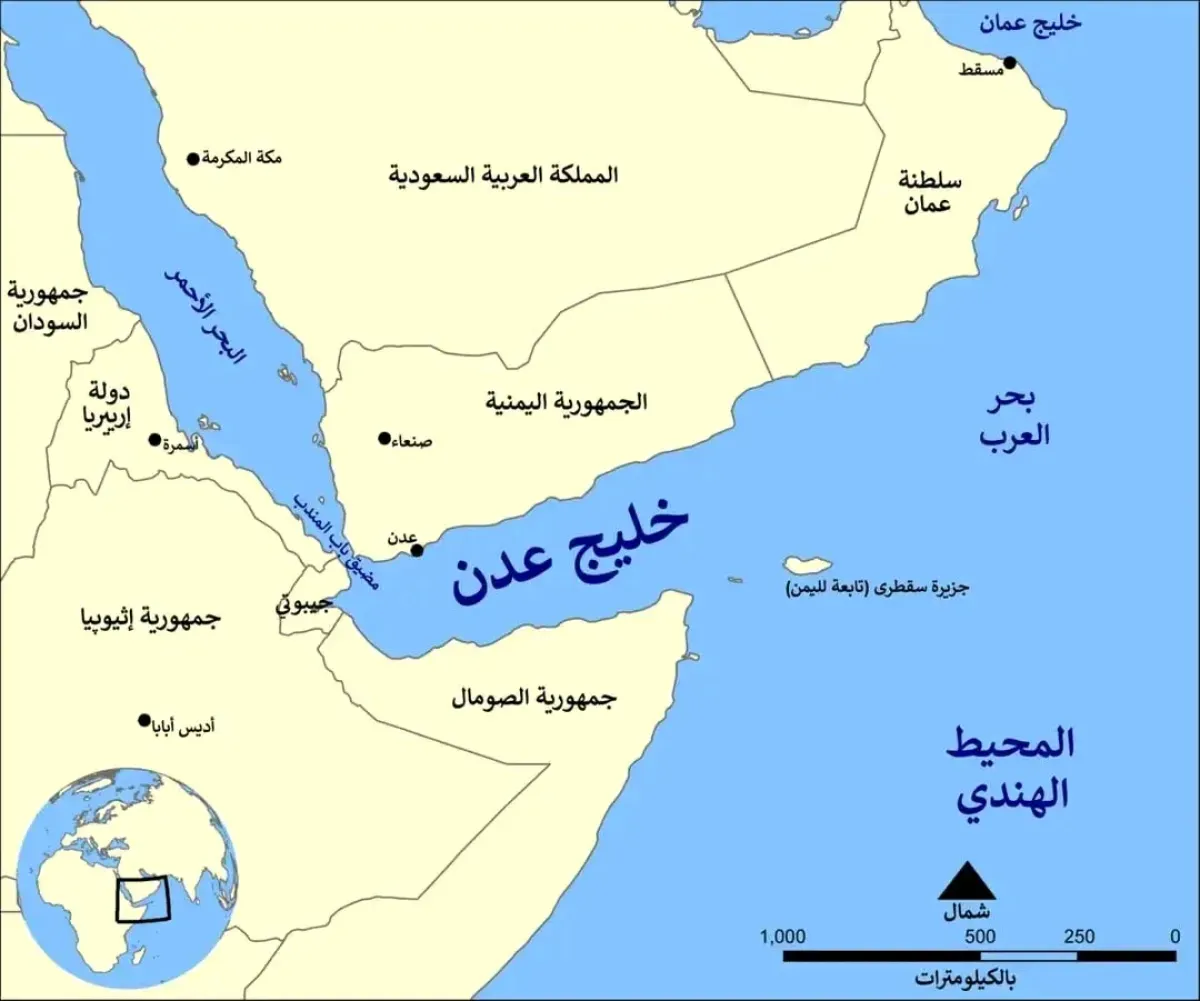
The fragile ceasefire between the United States and Iran is reportedly facing a significant test, with concerns mounting over the strategic Bab el-Mandeb strait, a vital maritime chokepoint. Reports suggest Iran's continued influence over the Strait of Hormuz, despite US demands for its complete and immediate reopening, is now mirrored by potential threats to the Bab el-Mandeb. While officials from both nations are engaged in negotiations for a potential permanent end to hostilities, with core issues such as freedom of navigation and long-term enforcement mechanisms remaining unresolved, another critical maritime choke point, the Bab el-Mandeb, is emerging as a focal point of concern. This analysis, prepared by writer and analyst Thiago Ventura, highlights the escalating risks. The Bab el-Mandeb strait, situated between Yemen, Djibouti, and Eritrea, is reportedly within the scope of potential threats, with indications from Iranian officials. Ali Akbar Velayati, a senior advisor to Iran's Supreme Leader, warned that the US views the Bab el-Mandeb similarly to the Strait of Hormuz, suggesting that any repetition of perceived "mistakes" would lead to a disruption of global energy and trade flows. Mohammad Bagher Ghalibaf, the speaker of the Iranian Parliament, emphasized the strait's strategic importance, known as the "Gate of Tears" due to navigational challenges, and questioned the volume of oil, gas, and essential goods transiting through it, as well as the primary beneficiaries. The geopolitical complexities are further amplified by the fact that one side of the strait is controlled by the Iran-backed Houthi militia in Yemen. In late March, a Yemeni military official, Abed Al-Thawri, indicated that closing the strait remains a viable option in response to any escalation, asserting that the Houthi militia could leverage this by targeting navigation and imposing a maritime and aerial blockade. The Houthi militia has previously disrupted maritime traffic between the Red Sea and the Indian Ocean, initiating missile attacks on shipping vessels since 2023, coinciding with the conflict between Israel and Hamas, which caused widespread disruption to shipping routes. Data from the U.S. Energy Information Administration reveals a significant increase in oil volume transiting the strait, from 5.7 million barrels per day in 2020 to 9.3 million in 2023, before declining to 4.1 million in 2024 and stabilizing at 4.2 million in the first quarter of 2025, attributed to security risks. Emily Holland, an energy specialist, described the impact of these attacks as "severely destructive," noting that the threat extends beyond direct targeting of vessels to creating a deterrent effect that prevents shipping companies from obtaining insurance, thereby compelling them to avoid the strait. She further stated that these attacks served as a strong market signal of the Houthi militia's capacity for disruption, even without sustained attacks. The Houthi militia has justified its operations as support for the Palestinian cause, while the U.S. Maritime Administration has reported that the attacks targeted vessels linked to Israel, the United States, or the United Kingdom. Despite announcements of a cessation of attacks following an October 2025 ceasefire between Israel and Hamas, oil transport through the Bab el-Mandeb has not seen a significant recovery due to persistent security concerns. The analysis suggests that Tehran may employ the Bab el-Mandeb as a geopolitical leverage tool, akin to the Strait of Hormuz, should the conflict escalate. Reports indicate that Tehran's allies might resort to closing the strait if circumstances spiral out of control. However, experts believe Iran's direct capacity in the region is limited, necessitating reliance on regional proxies to execute such threats. Despite the decline in maritime traffic, the Bab el-Mandeb remains a vital corridor, particularly with the rerouting of oil shipments, including Saudi oil transported via the Red Sea, and its role in Russian oil exports to Asia. Experts warn that any significant disruption in the strait would have far-reaching consequences for regional economies, especially those dependent on oil exports. This would also increase pressure on the global economy by restricting the movement of goods through critical maritime chokepoints. The analysis underscores that Iran has not directly closed the strait previously, despite the growing influence of the Houthis since 2023. International reports describe the relationship between Iran and the Houthis as a partnership based on ideological loyalty, though both parties assert the independence of their relationship. Experts point to the possibility of a repeat of the strait closure scenario, as observed in 2024, should the conflict intensify. The analysis characterizes the impact of closing maritime straits on energy markets as extremely dangerous, noting that the restriction of navigation led to a surge in oil prices to approximately $115 per barrel before a subsequent decline. Holland posits that targeting energy has become an integral part of modern warfare, directly affecting global markets. Any similar disruptions to the Bab el-Mandeb would exacerbate the existing global energy crisis. Despite the ceasefire, supply pressures persist, with warnings of long-term repercussions, particularly for poorer nations that may be priced out of the market. Holland noted that the reopening of straits does not signify the end of the crisis, as its effects will linger, given the nature of the global oil market, which impacts all nations, including the United States. |