


Israel Launches Major Assault on Lebanon, Causing Widespread Casualties
|
1 hour ago
A-
A+
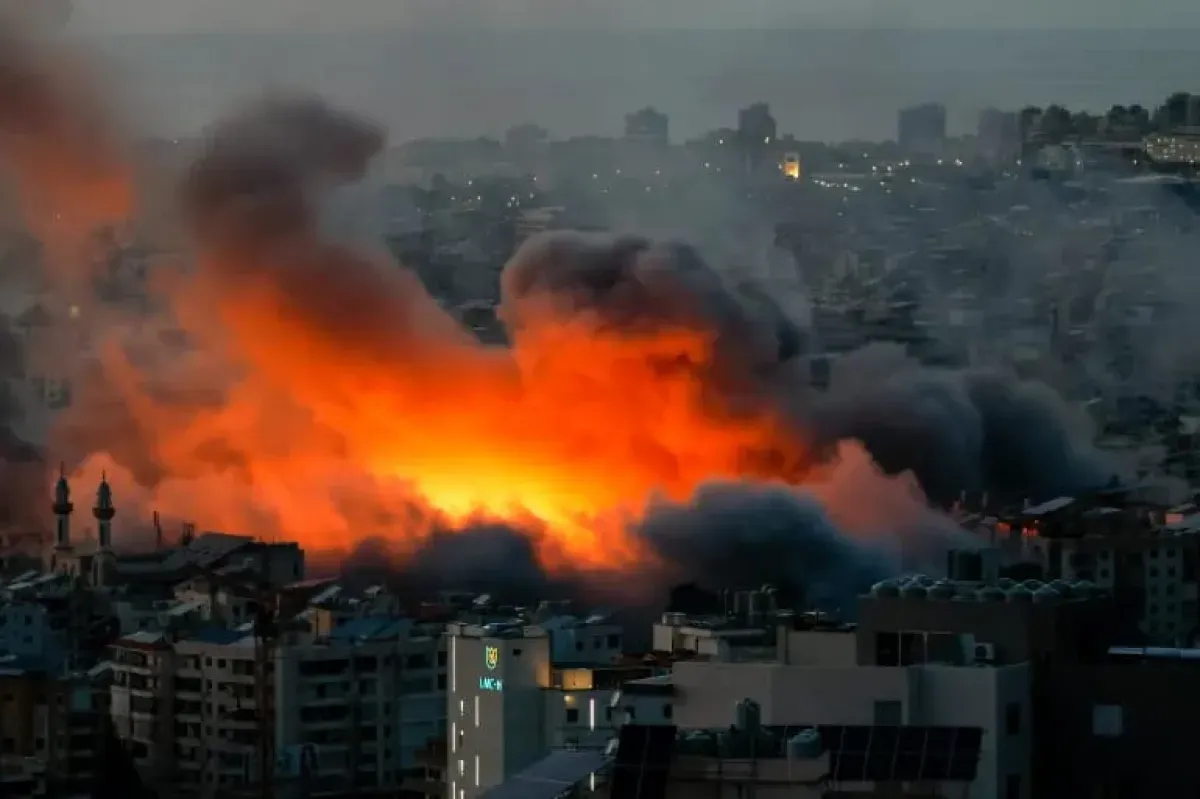
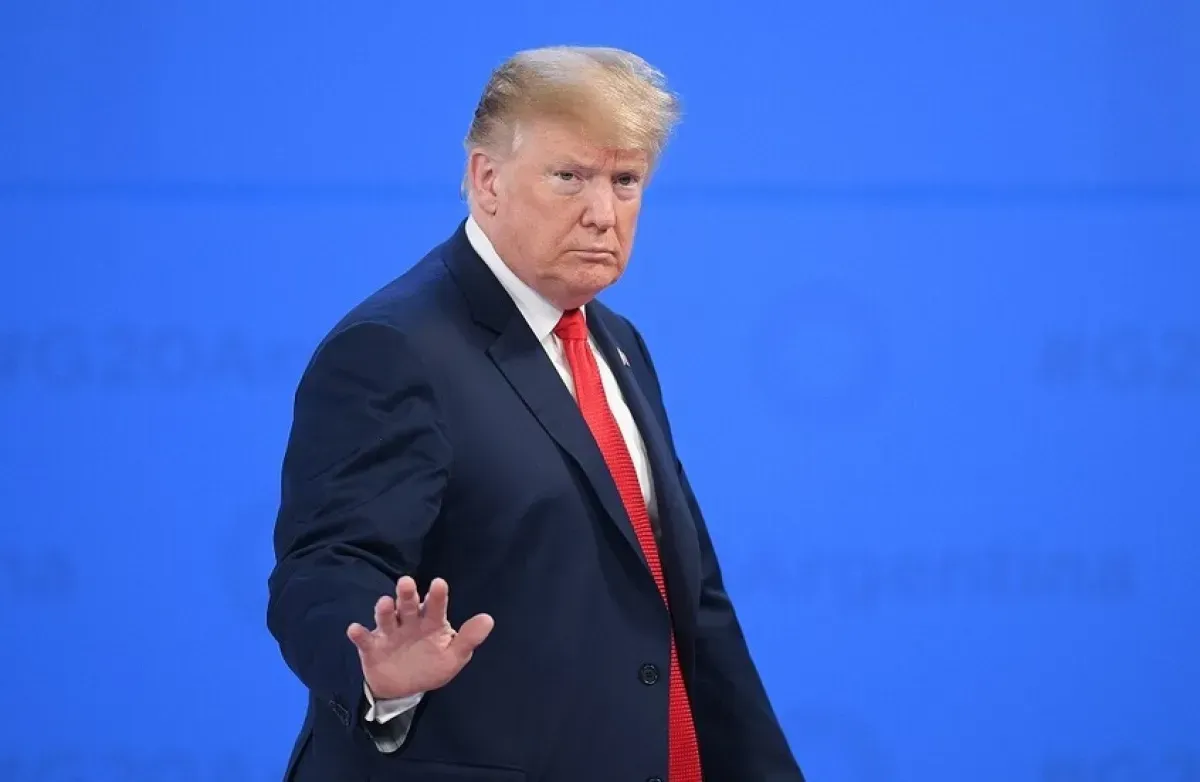
Hundreds were killed and over a thousand injured on Wednesday in extensive Israeli airstrikes targeting various areas across Lebanon, marking the most severe escalation since the onset of hostilities, according to official Lebanese reports. The National News Agency, citing the General Directorate of Civil Defense, reported that the bombardment resulted in 254 fatalities and 1,165 injuries. Concurrently, the Lebanese Ministry of Health announced an initial toll of 182 dead and 890 wounded, with ongoing efforts to transport victims to hospitals. The strikes occurred shortly after U.S. President Donald Trump announced a two-week suspension of strikes on Iran, contingent upon the immediate and full opening of the Strait of Hormuz and the achievement of a mutual ceasefire. Observers interpreted this move as Iran's allies in the region, particularly Hezbollah in Lebanon, being left to face their fate alone, a pattern consistent with Iran's policies towards its partners. Casualty figures, as reported by Civil Defense, were distributed as follows: 92 dead and 742 injured in Beirut, 61 dead and 200 injured in the southern suburbs, 18 dead and 28 injured in Baalbek, and 9 dead and 6 injured in Hermel. Additionally, 28 dead and 59 injured were recorded in Nabatieh, 17 dead and 6 injured in Aley, 12 dead and 56 injured in Sidon, and 17 dead and 68 injured in Tyre. Lebanese Minister of Health, Rakan Nassereddine, stated that ambulances were still transporting the injured, warning of significant strain on hospitals and calling for urgent international support for the healthcare sector. Local media indicated that the strikes extended from southern Lebanon through Mount Lebanon to the southern suburbs of Beirut and areas within the capital, as well as the Beqaa Valley and Hermel. This followed the Israeli military's announcement of executing a "major strike" hours after a temporary truce between the United States and Iran was declared. Israeli Chief of Staff Eyal Zamir affirmed that military operations would continue, while Defense Minister Israel Katz asserted that his country was proceeding with its operations within Lebanon, aiming to "change the security reality" and eliminate threats to northern Israel. Katz added that hundreds of Hezbollah operatives were subjected to a surprise attack targeting their headquarters, describing the operation as the largest of its kind and vowing that the group would pay a "heavy price" for what he alleged were attacks carried out on behalf of Iran. The Israeli military announced it had conducted over 100 strikes within ten minutes, targeting sites in Beirut, the Beqaa, and southern Lebanon, including command centers, military infrastructure, elite units, missile systems, and drones, based on intelligence and a pre-prepared plan. Evacuation warnings were also issued to residents in areas of the city of Tyre, directing them to move north of the Litani River in anticipation of aerial strikes. In response, Lebanese President Joseph Aoun called on the international community to intervene and halt what he described as aggressive actions threatening regional stability, warning that continued escalation would lead to increased tensions. Prime Minister Nawaf Salam stated that Israel was violating international and humanitarian law, noting that the strikes had targeted densely populated residential areas and resulted in civilian casualties, despite regional and international efforts to cease hostilities. Iran maintained silence for hours during the intense bombardment, issuing only scattered statements from officials, which appeared to leave its Lebanese ally to confront the escalation directly, before later hinting at a potential withdrawal from the ceasefire agreement. Iranian parliamentary national security committee spokesperson Ebrahim Rezaei stated that his country might halt the calm if it did not encompass all fronts, threatening to close the Strait of Hormuz. Despite these statements, Israeli raids continued throughout the day, with indications suggesting a recurring Iranian pattern of avoiding direct confrontation and leaving regional allies on the front lines without substantive support, while Tehran resorted to political escalation and threats. |