


Iran's Gulf Attacks Target Energy, Airports, Threatening Regional Economy
|
2 hours ago
A-
A+
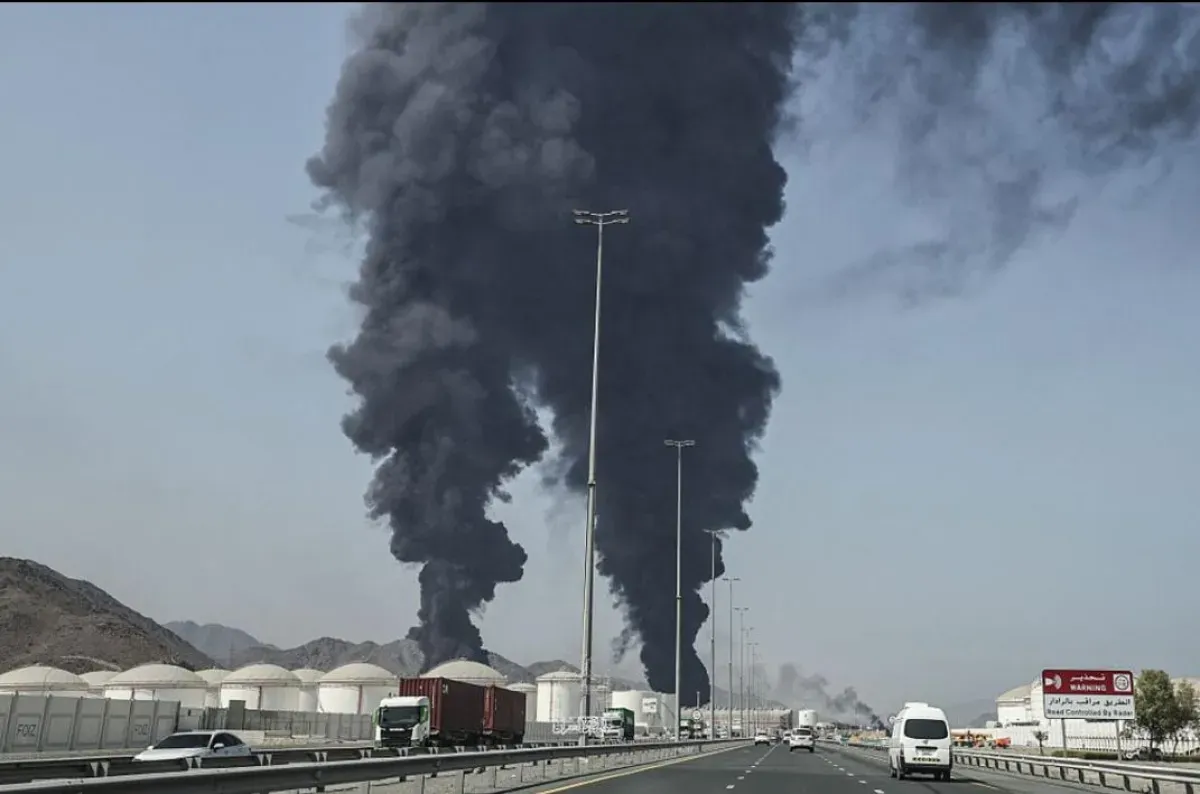
The Middle East entered a severe phase of military conflict in late February 2026, following extensive airstrikes by the United States and Israel on strategic sites within Iran, marking the commencement of an open war not witnessed in decades. The repercussions of this military confrontation quickly extended to Arab Gulf nations, which, despite not being direct participants, found themselves targeted by Iranian retaliatory actions. Tehran broadened the scope of its strikes to encompass civilian, economic, and vital infrastructure in Saudi Arabia, the UAE, Kuwait, Qatar, Bahrain, Jordan, and other neighboring countries. Since the outbreak of intense hostilities between the US and Israel on one side, and Iran on the other, Tehran has launched successive waves of missiles and drones towards Gulf states. These attacks have targeted civilian sites and critical infrastructure, reflecting a policy of widespread retaliation that transcended traditional geographical and political conflict boundaries. Thousands of missiles and drones were deployed within a few weeks. By April 2026, Gulf officials reported that these intensified Iranian attacks had caused extensive material damage to urban infrastructure and vital facilities. Targets included power stations, oil and gas facilities, water desalination plants, major airports, and transportation networks. These were not merely technical installations but represented the foundational pillars of the Gulf states' economies and social security. Following the US and Israeli strikes against Iranian targets, Tehran adopted a broad escalation strategy. Initially framed as attacks on American bases and military assets in Arab countries, the operations rapidly expanded to include civilian and vital economic sites. Iranian ballistic missiles and explosive-laden drones were launched at Gulf Cooperation Council (GCC) states, causing direct damage to critical industrial and consumer facilities. Among the affected nations, the United Arab Emirates experienced fires at oil facilities near Fujairah, resulting in civilian casualties. Kuwait's civil aviation authorities reported damage to airport facilities from a missile attack, temporarily disrupting flight operations and damaging fuel tanks and ground support equipment. In Saudi Arabia, missiles were intercepted over vital areas, with some minor damage to energy facilities and secondary airports from falling debris. Qatar sustained material damage to its liquefied natural gas (LNG) and oil facilities, key revenue sources. Bahrain reported attacks on water desalination and electricity plants, leading to temporary service outages. Official data from Gulf governments indicated that these Iranian attacks targeted not only military sites but also facilities crucial for daily life and the economy, signifying a dangerous shift from conventional military conflict to warfare targeting economies and social infrastructure. Energy infrastructure, the bedrock of the Gulf economies, was a primary focus. Iran targeted oil facilities and gas processing plants in Saudi Arabia, the UAE, Qatar, and Kuwait, causing temporary disruptions to oil production and LNG exports from Qatar. Attacks in the UAE's Fujairah industrial zone, hosting essential oil facilities, led to fires and temporary export halts. In Kuwait, energy officials confirmed damage to power and water desalination plants. Qatar's Ras Laffan LNG facilities, central to its economy and the global gas market, were also targeted. These attacks contributed to global oil price hikes, diminished confidence in the energy market, and disrupted supply chains. Airports and airspace also came under direct or indirect threat. Kuwait International Airport suffered damage from a missile attack, temporarily halting air traffic and raising significant concerns about air travel safety in the region. Civil aviation authorities in the GCC intensified air defense measures and airport security. International airlines reportedly began re-evaluating flight routes over the Gulf. Airports in the Gulf are strategic global connectors, contributing significantly to GDP through aviation, tourism, and trade. Threats to these hubs impact not only local economies but also global trade and connectivity. In a unified response, GCC states condemned the Iranian attacks as a blatant violation of international law and a threat to regional security and economic stability. They called upon the international community, particularly the UN and the Security Council, to take immediate action to halt Iranian attacks and protect vital maritime routes and essential services. International forums convened emergency sessions, and human rights organizations called for an end to attacks targeting civilians and civilian infrastructure. Gulf states pledged full support to affected citizens, emphasized enhanced regional defense coordination and intelligence sharing, and stressed the need for robust air defense systems to protect vital infrastructure and ensure the safety of air, transport, and energy movements. The strategic and economic repercussions extend beyond immediate material damage. Globally, oil and gas prices surged, insurance costs for maritime transit increased, investment confidence waned in certain sectors, and financial markets experienced heightened risk. Gulf societies faced direct threats to their vital infrastructure, prompting governments to focus on diversifying energy sources, investing in alternative systems, bolstering cyber defenses, and updating national emergency and economic security plans. Socially, the attacks caused public anxiety regarding essential services and sparked discussions about the risks of reliance on centralized infrastructure and the need for more resilient systems. The conflict between the US and Israel, and Iran, has escalated beyond Iranian borders, with significant strategic and economic consequences. Iranian attacks on Gulf states, particularly on energy infrastructure, civilian facilities, and vital airports, demonstrated the Iranian regime's recklessness. Despite these attacks, Gulf nations have maintained advanced defensive capabilities to counter drones and missiles, ensuring the continuation of investment, production, export, and economic activity. The primary challenge for the Gulf states remains enhancing the security of their vital infrastructure and integrated defenses to render such attacks transient and prevent them from undermining economic resilience or threatening public welfare. The current situation necessitates international cooperation, including political and diplomatic pressure on Tehran to cease its aggressions, linking any political resolution to a ceasefire, and restoring order to the Strait of Hormuz and vital economic corridors. Gulf states recognize their direct involvement, the inseparability of their security from regional stability, and that protecting vital infrastructure is key to their resilience amidst global conflicts. |