


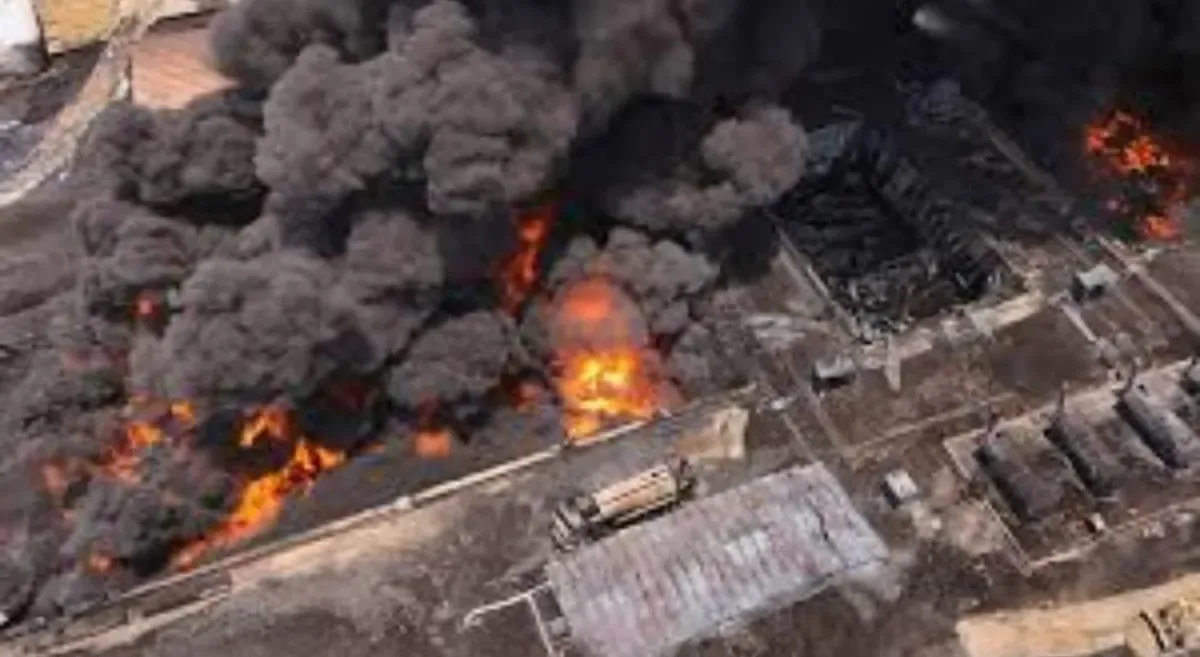
In a region fraught with escalating tensions and rapid geopolitical shifts, conflicts are increasingly waged through unconventional means such as influence networks and asymmetric warfare, rather than solely through conventional military engagements. Iran has emerged as a key player employing a strategy of "recruiting chaos" to reshape regional balances and expand its influence beyond its borders. The recent conflict between the United States and Iran, which began in late February 2026, has highlighted this strategy. Tehran has not only responded militarily but has also leveraged its established influence networks to maintain strategic leverage in the Arabian Gulf, even without its proxies directly participating in attacks during this escalation. The concept of "recruiting chaos" as a strategic tool is fundamental to understanding Iranian behavior in the region. This model involves exploiting local crises, fueling internal conflicts, and building multi-layered influence networks that enable Tehran to impact events without direct confrontation. This strategy focuses on weakening states and altering power dynamics within them, creating vulnerabilities that can be exploited, rather than territorial occupation. Iran's regional network comprises interconnected layers, including armed groups, political wings, media operations, and logistical support systems. This structure operates flexibly, with components activated as circumstances require. In Iraq, Tehran-aligned factions hold significant sway in political and security affairs. In Syria, Iran has solidified its presence by supporting the regime and developing auxiliary military formations. In Lebanon, Hezbollah serves as a comprehensive model of military and political influence. In Yemen, the Houthi militia has become a crucial extension of this network, exerting not only territorial control but also geopolitical leverage that indirectly influences the security of the Gulf and vital maritime routes. Although the recent conflict did not involve direct attacks by these proxies on Gulf states, their very existence poses an ongoing strategic threat that can be activated at any future escalation point. The Arabian Gulf states, due to their economic significance and strategic location, are central targets in any Iranian strategy to alter regional power balances. While not direct combatants in the recent conflict, they found themselves within the direct sphere of influence of the escalation. Attacks on vital infrastructure in the Gulf during this period were directly attributed to Iran, indicating a shift towards direct confrontation by Tehran, bypassing regional proxies for execution. However, the extensive influence network surrounding the Gulf provides Iran with additional strategic depth and enhances its options in future escalations. The targeting of oil facilities, power stations, and airports was not random but aimed at pressuring the core pillars of the Gulf economy and creating psychological and economic impacts beyond immediate losses. Missiles and drones emerged as primary tools in this escalation, used directly to strike vital infrastructure in Gulf states. These relatively low-cost, precise weapons enabled Tehran to conduct impactful strikes without engaging in full-scale conventional warfare. Beyond kinetic actions, cyber warfare has emerged as a parallel and equally critical front. During the escalation, there were attempts to conduct cyberattacks against vital institutions, aiming to disrupt systems and services without direct military force. This reflects a shift in conflict dynamics, where digital infrastructure is now an integral part of national security, and breaches can have far-reaching consequences. The economic repercussions of this escalation extended beyond material damage to market confidence. Attacks on energy facilities and airports caused oil price volatility, increased insurance costs, and heightened investor caution. The Gulf states, as major global energy hubs, faced a critical test of their ability to maintain economic stability amidst regional turmoil, though they demonstrated considerable resilience in absorbing shocks and ensuring production continuity. In response, Gulf states have bolstered their defense capabilities, enhanced security systems, and prioritized regional integration against threats. Air defenses have been strengthened, intelligence coordination intensified, and cybersecurity capacities developed. Diplomatically, these nations have worked to rally international opposition to attacks on civilian infrastructure and stressed the importance of protecting maritime routes and global energy supplies. While human casualties were limited, the psychological impact of the attacks was palpable, with the constant threat affecting citizens' sense of security. The targeting of essential facilities also raised concerns about the continuity of basic services, making their protection a matter of social and humanitarian significance, not just security. Looking ahead, the region faces open scenarios, with potential for further escalation or moves towards de-escalation. In either case, Iran's influence network will remain a significant factor in regional stability. Gulf states must continue to evolve their defense and economic strategies to adapt to changing threats and maintain their role as anchors of stability. The current developments reveal that the conflict in the region is no longer solely military but a struggle over managing or containing chaos. Iran seeks to leverage this chaos through its regional network, while Gulf states counter by consolidating stability and strengthening their defense and economic capabilities. This represents a battle between two contrasting models: one that expands disruption for influence, and another that builds sustainable stability. The future of the Arabian Gulf and the wider region, as a cornerstone of global economic stability and security, hinges on this dynamic. |