


Ali Abdullah Saleh: Architect of Modern Yemen and Guardian of National Principles
|
19 hours ago
A-
A+
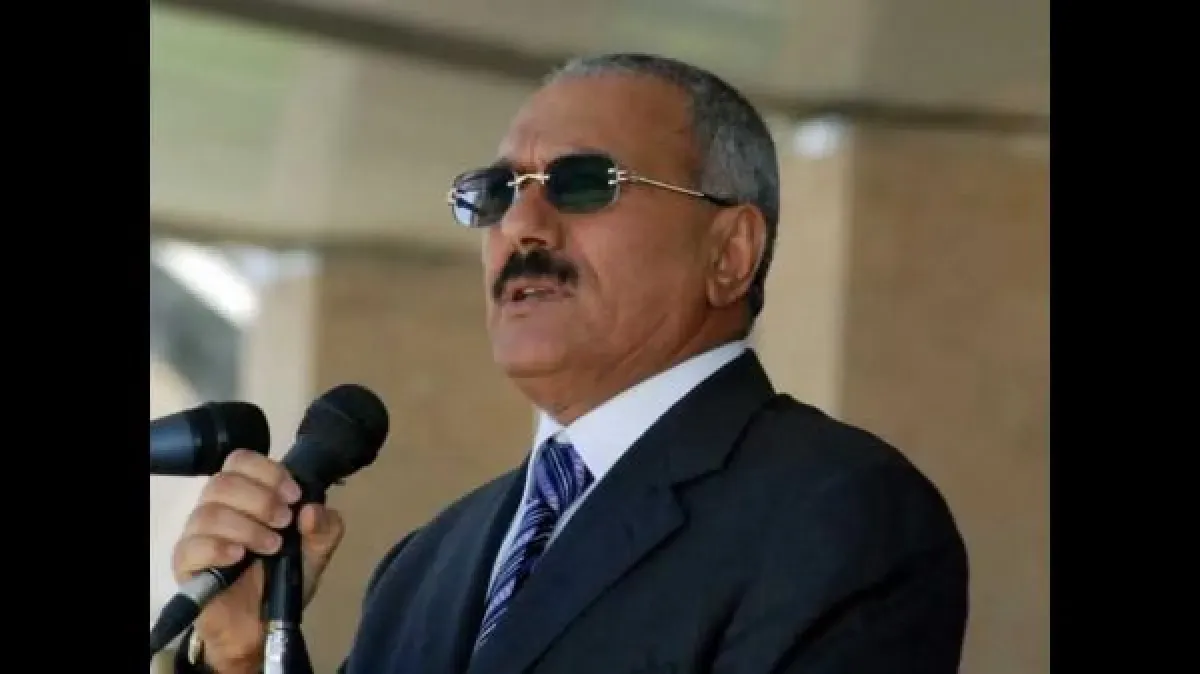
Marking the anniversary of the birth of the late leader Ali Abdullah Saleh on March 21st evokes significant chapters of contemporary Yemeni history; his birth in 1942 in the village of "Beit Al-Ahmar" signaled the emergence of a leader whose influence would shape the regional landscape for decades. Raised in a humble Yemeni environment reflecting the hardships of the populace during that era, Saleh harnessed his resolve to transform these challenges into revolutionary energy. He rejected subservience to tyranny, convinced that the dawn of the Republic must rise from the ruins of past regimes. Saleh’s character was forged in the crucible of national conflict, as he joined the military early on, becoming a defender of the September 26th Revolution of 1962. His role extended beyond mere military participation; he demonstrated decisive leadership during the most severe circumstances, notably during the seventy-day siege, underscoring that loyalty to the homeland supersedes all other considerations. This record of struggle paved the way for his election as President of the Republic on July 17, 1978, a pivotal moment when Yemen was unstable due to political strife and assassinations, allowing Saleh to take the initiative and commence the arduous task of state-building from its foundations. President Saleh's tenure was characterized by a mastery of "normalizing political life." With rare political acumen, he steered Yemen away from fragmentation, tribal warfare, and regional disputes toward an unprecedented level of institutional stability. From his assumption of power, he focused on rebuilding the armed forces and security apparatus on national foundations, successfully resolving protracted conflicts that had long drained the nation's resources. Under his leadership, Yemen transformed into a major center of activity, marked by the construction of extensive road networks connecting mountains and plains, and the establishment of universities and hospitals in every city and village, thereby restoring Yemen's stature as a sovereign state capable of independent decision-making, free from alignment with external blocs or dependency. The most enduring achievement of the leader’s career remains the realization of Yemeni unity on May 22, 1990, the day the flag of the Republic of Yemen was raised over Aden, ending the era of division. For Saleh, unity was not merely a matter of signing agreements; it was a comprehensive renaissance project coupled with the adoption of multi-party politics, democracy, and press freedom, positioning Yemen as a beacon of pluralism in the Arab region. Through his strategic vision, Saleh successfully balanced tradition with modernity, preserving the tribal and social heritage while constructing modern civil institutions that guaranteed citizenship rights and a dignified life. Recalling Ali Abdullah Saleh's journey is not merely recounting historical facts but drawing inspiration from a model of leadership that refuses defeat and skillfully manages major crises with fervent patriotism. The leader has passed, but his accomplishments stand as living testimonies throughout every part of Yemen, affirming that nation-building demands leaders who possess the courage to make critical decisions and the capacity for reconciliation for the sake of the people. His long and rich experience serves as a guiding light, emphasizing that restoring the path of development and progress in Yemen necessitates a return to the established national principles, foremost among them the protection of the Republic, the preservation of unity, and the safeguarding of Yemeni dignity and sovereign decision-making. |