


Yemen's Former Leader Ali Abdullah Saleh: A Look at His Historical Impact and Governance
|
2 hours ago
A-
A+

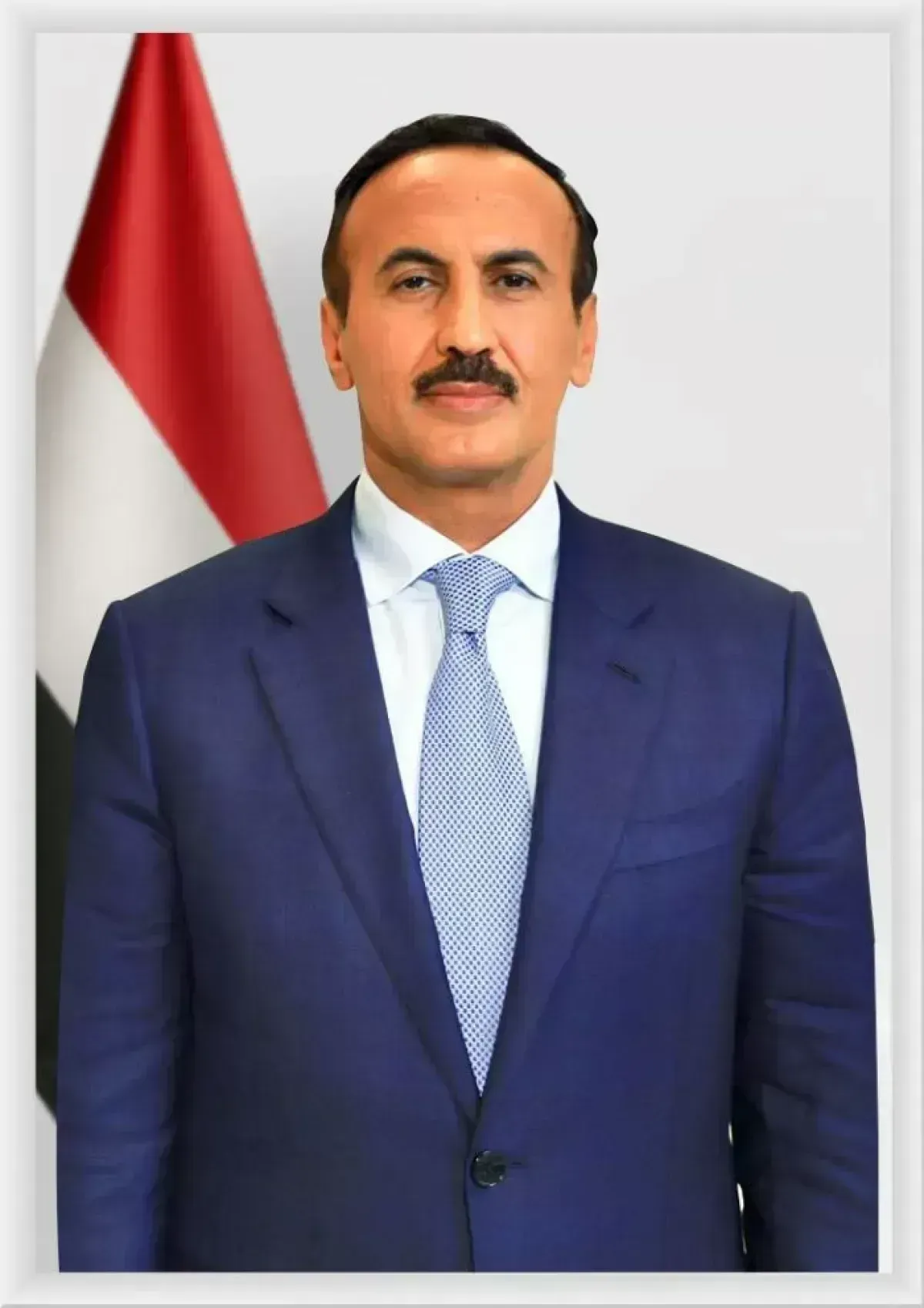
The late Yemeni President Ali Abdullah Saleh, born March 21 in the village of Bait Al-Ahmar in Sanhan, is recognized as one of the most influential leaders in shaping the trajectory of the modern Yemeni state. His national career commenced with his enlistment in the armed forces in 1958, where he steadily advanced to become a significant military figure dedicated to defending the revolution and the republic. Assuming leadership of the country on July 17, 1978, President Saleh prioritized the consolidation of the foundations for the modern Yemeni state. He navigated successive domestic and external challenges while striving to establish the political and security stability deemed essential for advancing comprehensive national development. The most significant achievement during his tenure was the realization of Yemeni unity on May 22, 1990. This outcome culminated extensive negotiations, merging the two parts of Yemen under a single flag—a historic, unprecedented step in the region that bolstered the political and economic standing of the unified Republic of Yemen. President Saleh’s era oversaw notable economic and developmental progress, marked by the execution of major infrastructure projects, the expansion of road networks, and improvements in educational and health facilities. Tangible advancements were also recorded in the oil and gas sectors, which enhanced national revenues and opened new avenues for sustainable development. His leadership also focused on embedding democratic processes. The country witnessed its first parliamentary elections in 1993, followed by those in 1997, and the first direct competitive presidential election in 1999, with confidence renewed in the 2006 elections. This period also saw efforts to strengthen legislative and judicial institutions and provide broader space for political pluralism and press freedom. In foreign policy, President Saleh steered a balanced approach that positioned Yemen as an active regional player. He strengthened relations with Arab and friendly nations and actively participated in international initiatives aimed at conflict resolution and the promotion of regional peace. The legacy of Ali Abdullah Saleh, spanning over three decades, involves setting Yemen on a path toward progress and development. His leadership is often cited as an exemplar of effective administration and prudence, with his accomplishments standing as a testament to a dedicated national service until he faced conspiracies aimed at destabilizing the country, demonstrating commitment to Yemen until his final moments. |