


Houthi Restrictions Bar Eid Prayers Amid Rising Inmate Abuse in Detention Centers
|
2 hours ago
A-
A+
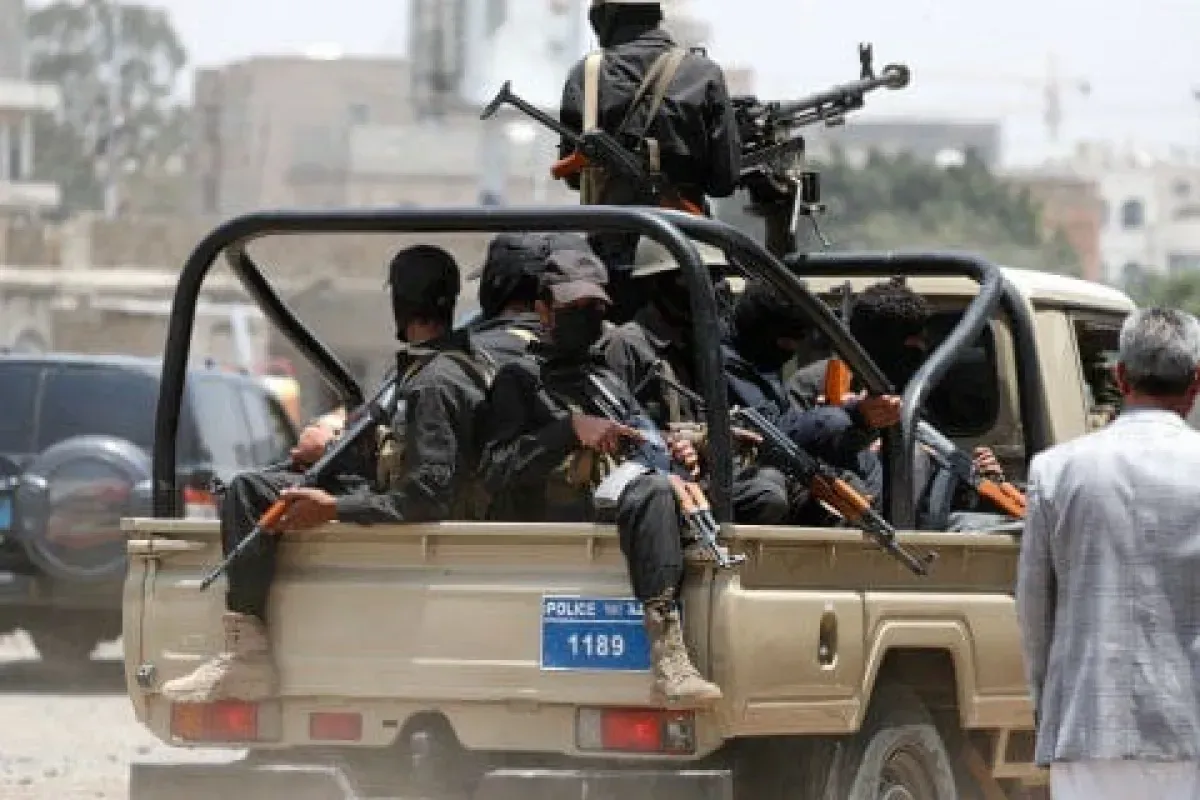
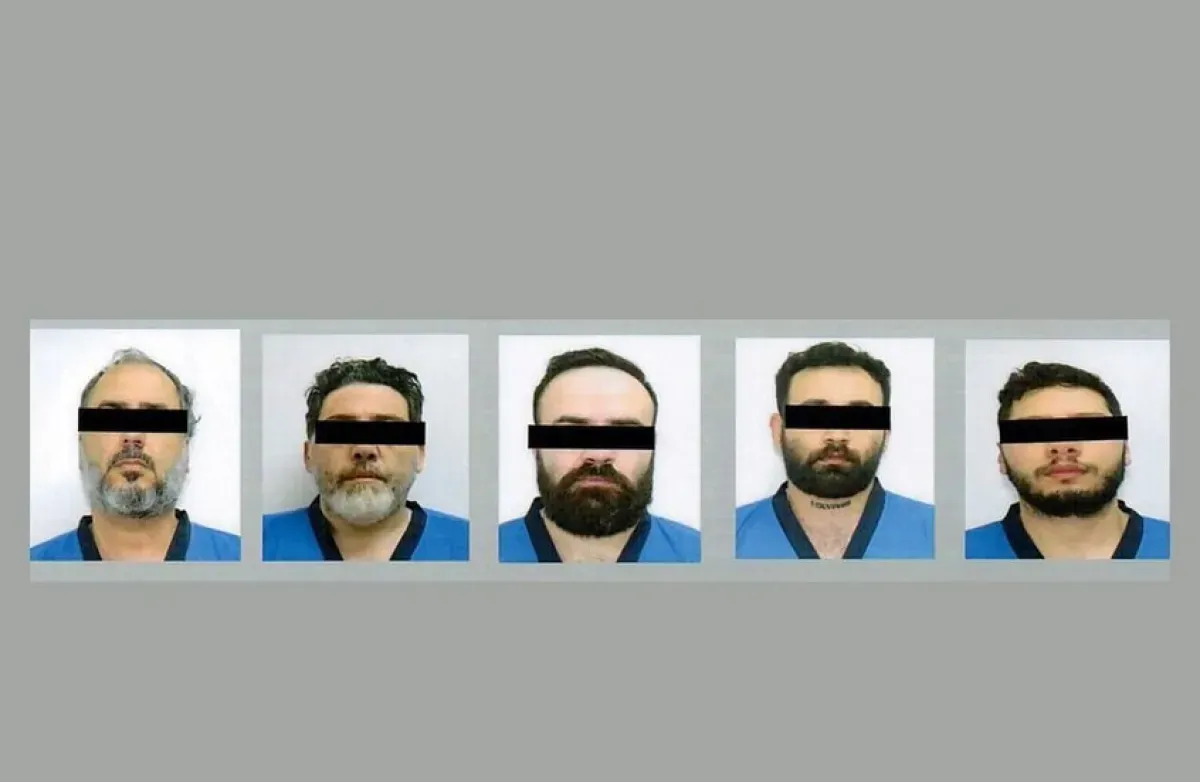
The observance of Eid al-Fitr in Yemen is overshadowed by exceptional circumstances in areas controlled by the Houthi militia, where economic crises intertwine with escalating security and social restrictions, severely impacting religious observances and public joy. New directives in the capital, Sana'a, have sparked widespread discontent, coinciding with alarming reports of increasing abuses within detention facilities, particularly during religious holidays. Local sources in Sana'a revealed that the Houthi group issued unannounced directives prohibiting the performance of Eid al-Fitr prayers in public squares and customary gathering places. Residents were reportedly compelled to perform prayers within their homes, either individually or in small family units. This decision generated significant resentment among the populace, who viewed the prohibition as denying them a crucial collective expression of Eid, as public prayers serve as vital opportunities for social cohesion in a spiritual setting. Observers interpret the ban on public Eid prayers as indicative of a growing pattern of restrictions imposed on religious and social activities across Houthi-controlled territories. Activists assert that religious occasions are no longer exercised freely but are instead subjected to stringent regulations fully controlled by the group. These policies are seen as extending beyond mere organization, aligning with broader efforts to solidify control over the public sphere and subordinate religious and social events to the militia's authority. Parallel to these external constraints, testimonies describe harsh humanitarian conditions within Houthi prisons, which are categorized as either mass detention facilities or solitary confinement units. Reports indicate that mass prisons contain several rooms of varying sizes, while solitary units comprise narrow cells located in subterranean or annexed facilities. Testimonies suggest various pressure tactics are employed, including the timed broadcast of religious speeches and audio materials, which disrupt the performance of specific rituals such as the nightly Tarawih prayers during Ramadan. Consistent narratives indicate an escalation in abuse during holiday periods. Certain detainees, especially those in solitary confinement, allegedly face severe mistreatment, including beatings and physical torture, practices reportedly carried out deliberately to intimidate the wider inmate population. These measures also involve reducing limited access periods for essential needs and withholding food packages sent from relatives, particularly affecting those denied visitation rights. In addition to physical abuse, there are reports of systematic psychological warfare tactics designed to confuse and weaken inmates. These methods allegedly include disseminating shocking or misleading information regarding external affairs or the detainees' legal status or families, timed strategically around sensitive periods like holidays to maximize psychological distress. These developments reflect a complex reality where restrictions on religious freedom intersect with humanitarian challenges inside detention centers, necessitating independent documentation and serious rights monitoring. |