


Analyst: Iran's Strait of Hormuz Threats are Psychological Pressure, Not Viable Strategy
|
2 hours ago
A-
A+
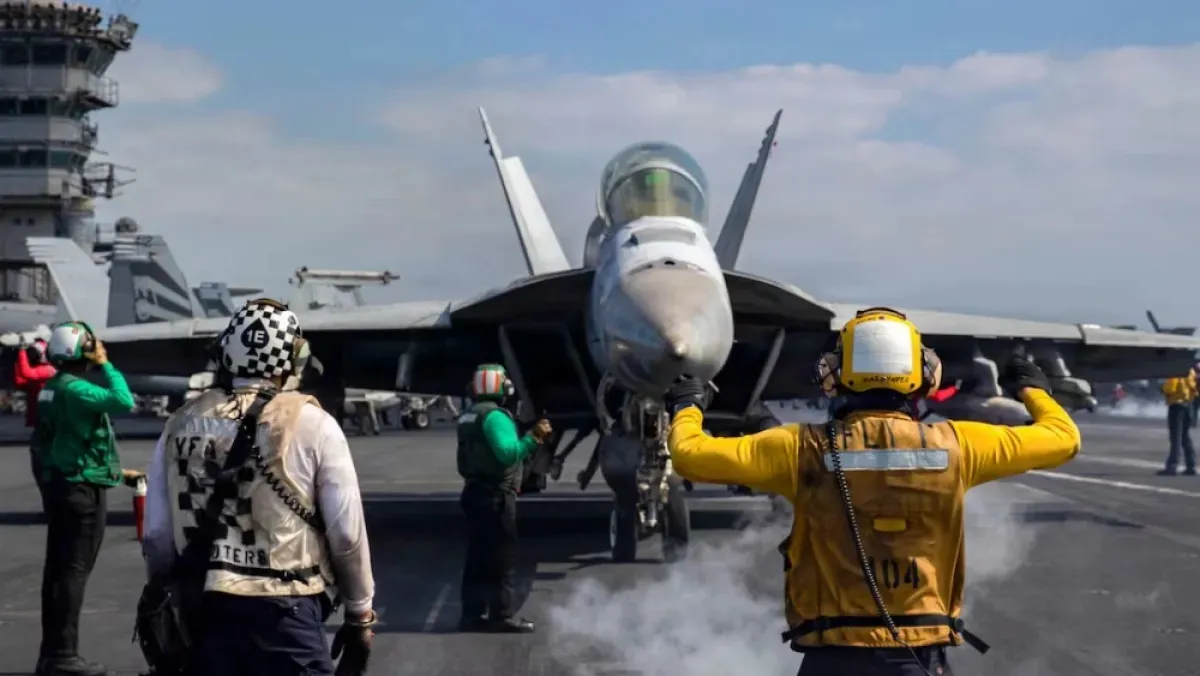
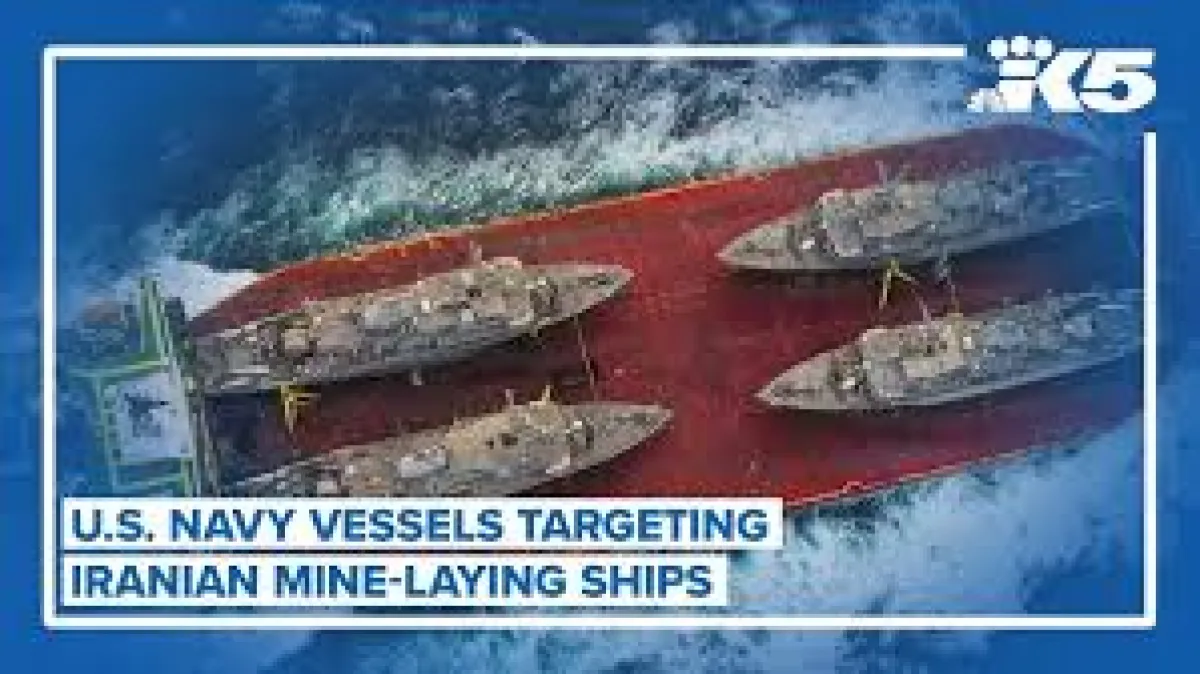
American analyst Michael Rubin contends that Iran's recurring threats to close the Strait of Hormuz serve primarily as psychological leverage, with media coverage often exaggerating the potential impact on global oil prices. The analysis, published by the Middle East Forum, noted recent statements attributed to the presumed successor of the Supreme Leader, Mojtaba Khamenei, emphasizing the need to keep the option of closing the strait available. This rhetoric signals an escalation in Iranian posturing coinciding with heightened regional tensions. In the United States, the report detailed how rising fuel costs have generated bipartisan criticism directed at the Trump administration, amid internal security leaks suggesting disagreements over crisis management. Rubin argued that some Western analyses inflate the potential effectiveness of the Iranian threat by overlooking the strait's vital role in Iran's own economy. Tehran relies heavily on exporting oil via Hormuz, while simultaneously depending on refined fuel imports due to insufficient domestic refining capacity. International sanctions, infrastructure decay, and a lack of modernization in the energy sector have deepened this reliance, making closure an economically costly maneuver for Tehran, especially as partners like Russia and China struggle to supply necessary components. Militarily, while U.S. and Israeli strikes have degraded some of Iran's naval capabilities, the Islamic Revolutionary Guard Corps (IRGC) retains the ability to threaten maritime traffic using naval mines and fast attack boats operating from small ports and undisclosed facilities. The report suggested that securing the Emirati islands currently controlled by the IRGC—including Abu Musa, Greater and Lesser Tunb, Sirri, Hengam, and Farsi—would significantly aid in restoring freedom of navigation in the Arabian Gulf. The successful securing of Kharg Island was highlighted as a crucial precedent; in 1991, oil prices did not surge significantly after the Iraqi invasion of Kuwait or the initial U.S. response, but only after Iraqi forces set fire to 700 oil wells during their withdrawal. The analysis warned that unmanned aerial vehicles (UAVs) represent the most immediate threat moving forward, despite much of the Iranian fleet relying on older technology operating within limited visual ranges rather than GPS-dependent systems. The report concluded that any potential closure of the Strait of Hormuz would likely be temporary, functioning more as a tool of psychological warfare than a sustainable strategic option. Exaggerating these threats, the analysis suggested, ultimately serves Iranian propaganda more than it reflects on-the-ground realities. |